

Parkinson’s disease is the second most frequent neurodegenerative disorder of ageing after Alzheimer’s disease. It is characterized by 4 cardinal motor symptoms: tremor at rest; rigidity; bradykinesia; and postural instability.
This progressive disorder is also associated with cognitive, behavioural, and autonomic impairments, causing increased disability and contributing to a loss of independence.
Related content
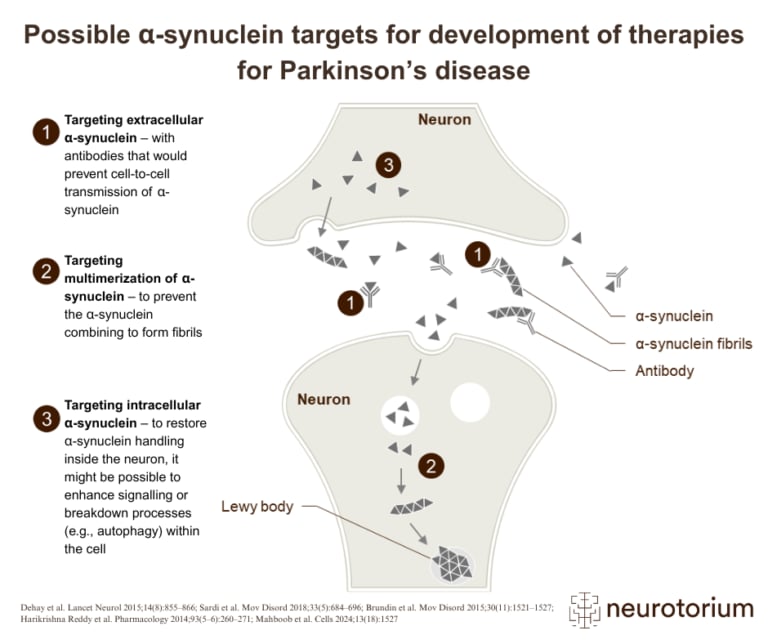
Overview of three therapeutic strategies targeting alpha-synuclein in the development of disease-modifying treatments for Parkinson’s disease
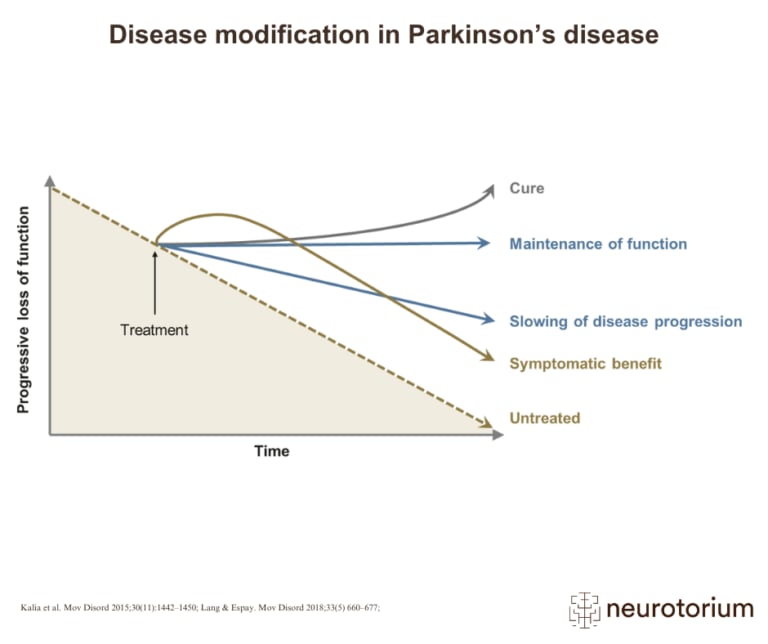
Graphical representation of how various treatment strategies can impact disease progression in Parkinson’s disease, from symptom relief to potential cure
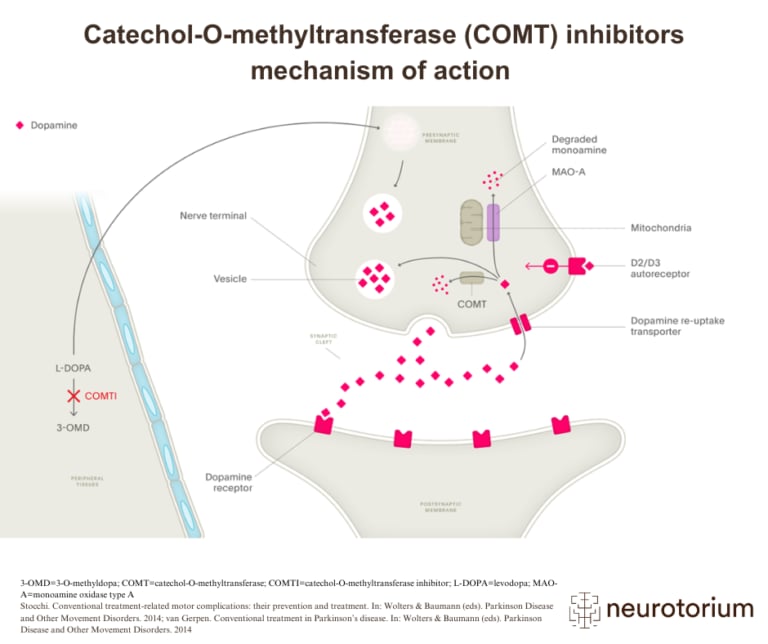
Illustration of how COMT inhibitors increase dopamine availability in Parkinson’s disease by preventing the breakdown of L-DOPA