

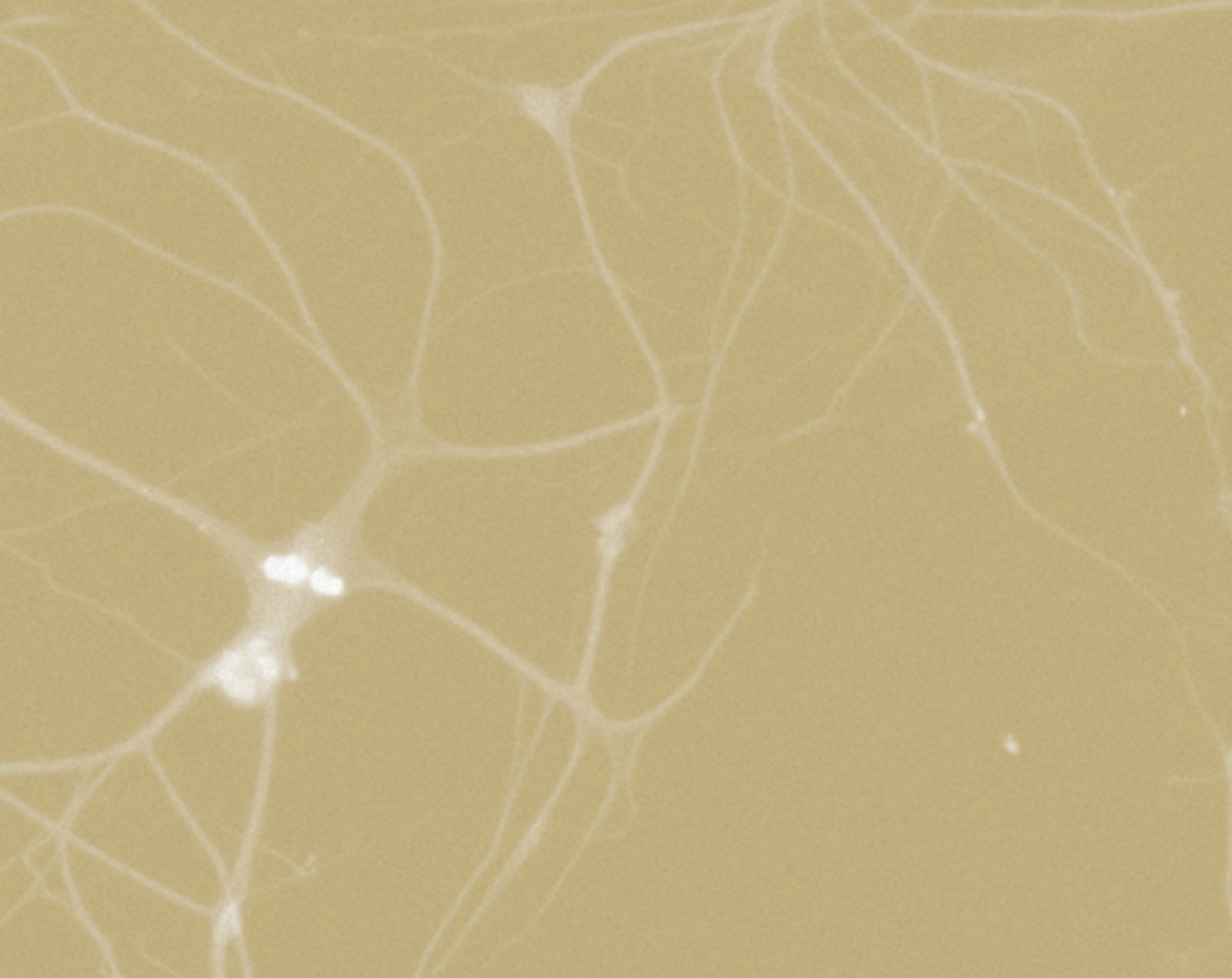


Project title: Making Sense of the Overactive Brain: Shared and Distinct Features of ADHD, Anxiety, Bipolar & BPD
Country: Brazil
Anchoring institution: University of São Paulo
Dates running: 2026-2029
Status: Ongoing
Project description
In everyday practice, psychiatric comorbidity is the norm, but overlapping symptoms across bipolar disorder, anxiety disorders, ADHD, and personality disorders can make differential diagnosis a fraught process. Misdiagnosis often means years of ineffective treatment and avoidable suffering.
This 3-year initiative at Instituto de Psiquiatria do Hospital das Clínicas da Faculdade de Medicina da Universidade de São Paulo (IPq-HCFMUSP) will deliver a clinically grounded course: “Making Sense of the Overactive Brain”, using Neurotorium’s evidence-based resources to help psychologists and psychiatrists improve diagnostic accuracy and treatment planning.
Run twice per year, the course combines concise theory with interactive case discussions and real-world diagnostic dilemmas, using an “overactive brain” framework to clarify what is shared or distinct across diagnoses. Ultimately the course is intended to support clinicians in making better diagnoses, and helping patients receive appropriate care sooner.
About Neurotorium’s Clinical Education Grants
Neurotorium is offering Clinical Education Grants to support non-profit educational projects aimed at strengthening clinical competencies within the prevention, diagnosis, and treatment of psychiatric and neurological disorders through educational activities aimed at healthcare professionals.
Applicants can request up to 100,000 DKK (approximately $15,000 USD) per year for a duration of one to three years. The budget can only include direct costs. Projects must incorporate Neurotorium’s educational resources, be anchored within established non-commercial organizations (such as universities, hospitals, or NGOs), and demonstrate potential to positively impact clinical practice.
