Slide Decks on Anxiety Disorders
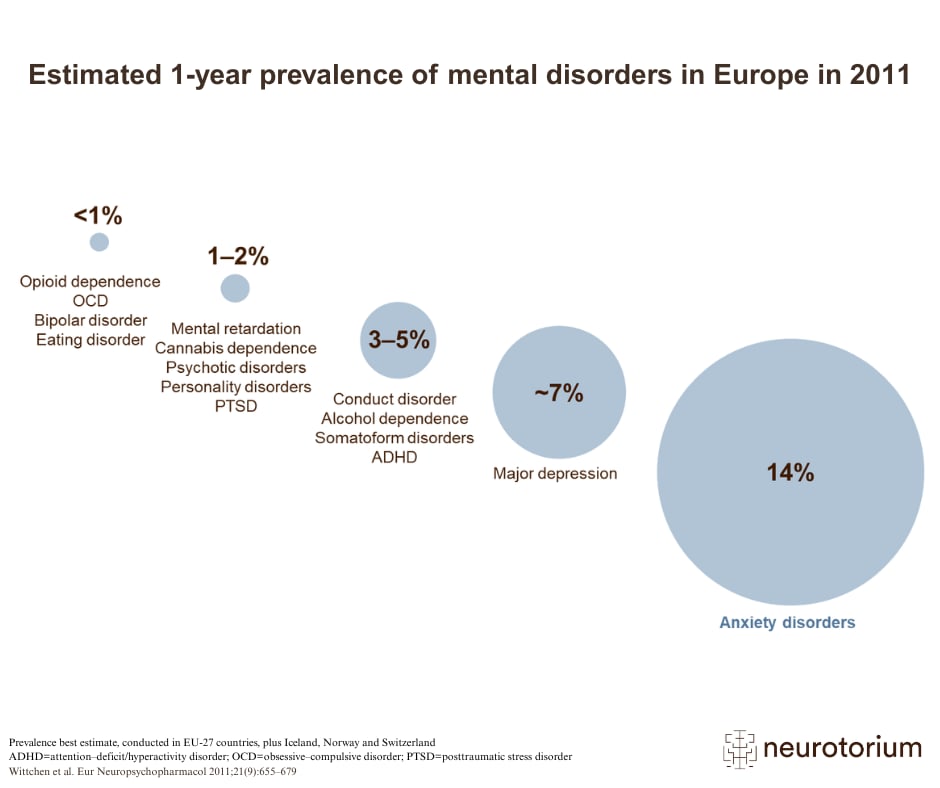
Anxiety disorders are among the most common types of mental disorder. Anxiety- or fear-related disorders include separation anxiety disorder, selective mutism, agoraphobia, social anxiety disorder, specific phobias, panic disorder, and generalized anxiety disorder. The 1-year prevalence of any anxiety disorder is 10-14%, and anxiety disorders often go untreated – with some research suggesting that less than one in four patients receive treatment.
In each slide deck, central topics and essential concepts related to anxiety disorders are introduced by leading experts in the field. All slide decks are completely free to download and use.
Are you interested in learning more about the neurobiological mechanisms behind anxiety disorders?
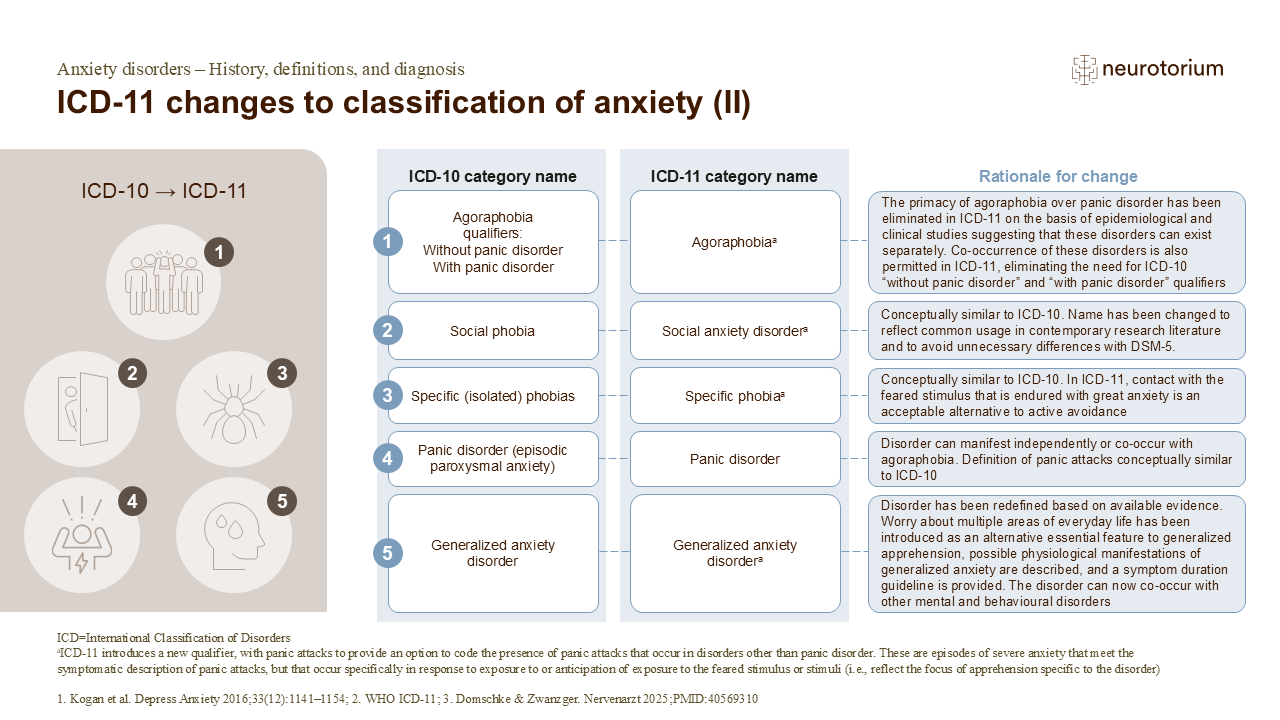
History, Definitions, and Diagnosis
This slide deck introduces the diagnosis of anxiety disorders, diagnostic instruments, and differential diagnosis to support diagnosis and clinical decision-making.
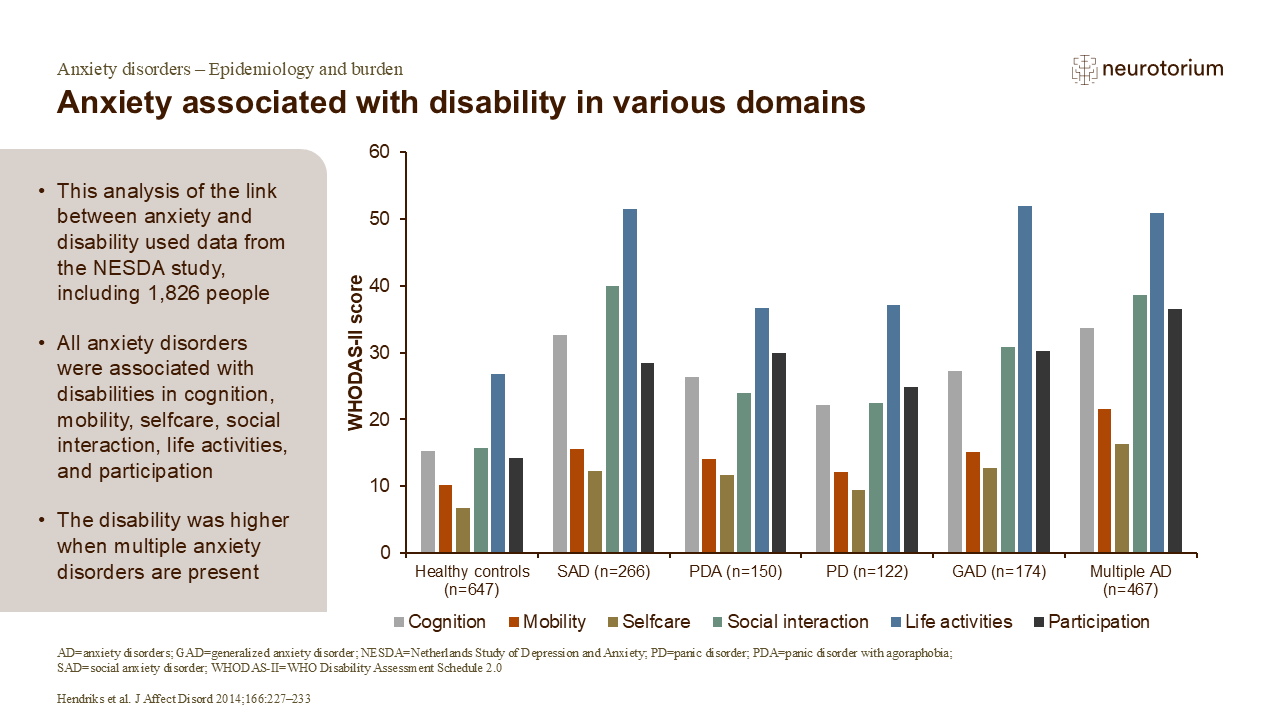
Epidemiology and burden
Anxiety disorders are among the most common types of mental disorder; however, estimates of the prevalence of anxiety disorders vary. This slide deck introduces both the epidemiology and burden of anxiety disorders.
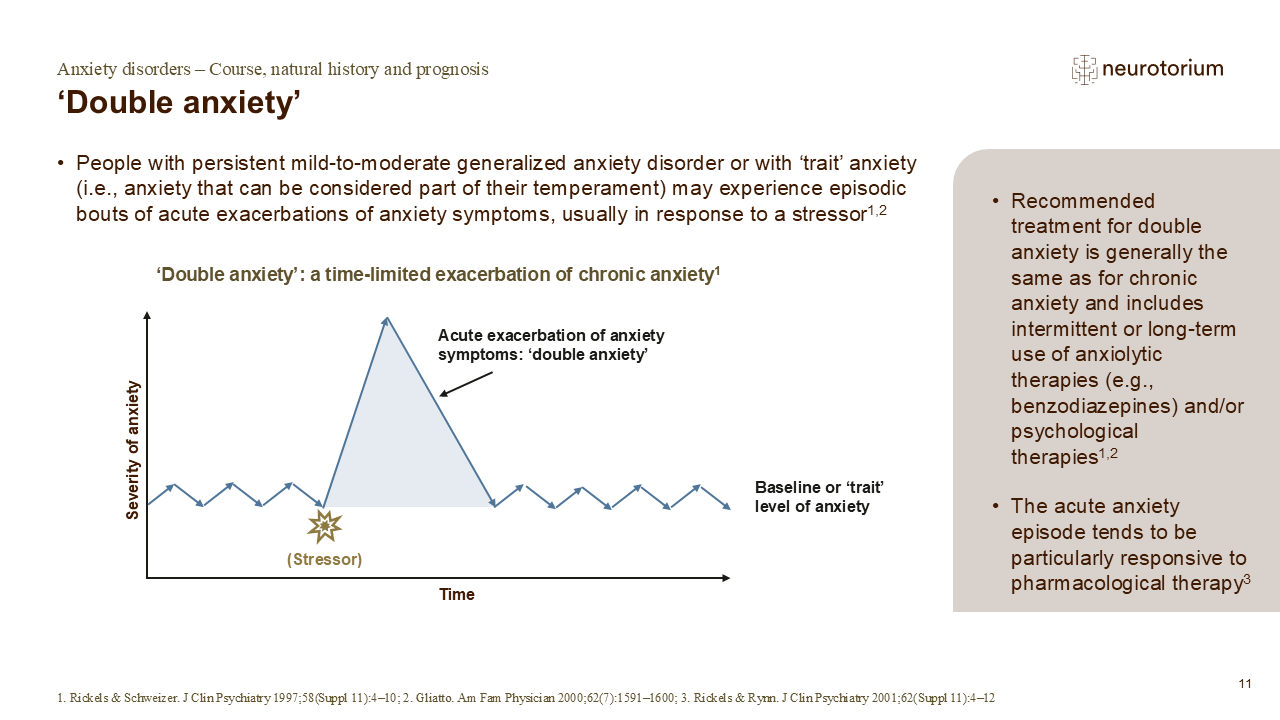
Course, Natural History, and Prognosis
This slide deck introduces the course of anxiety disorders, central research in the field, and factors that predict progression and outcomes.
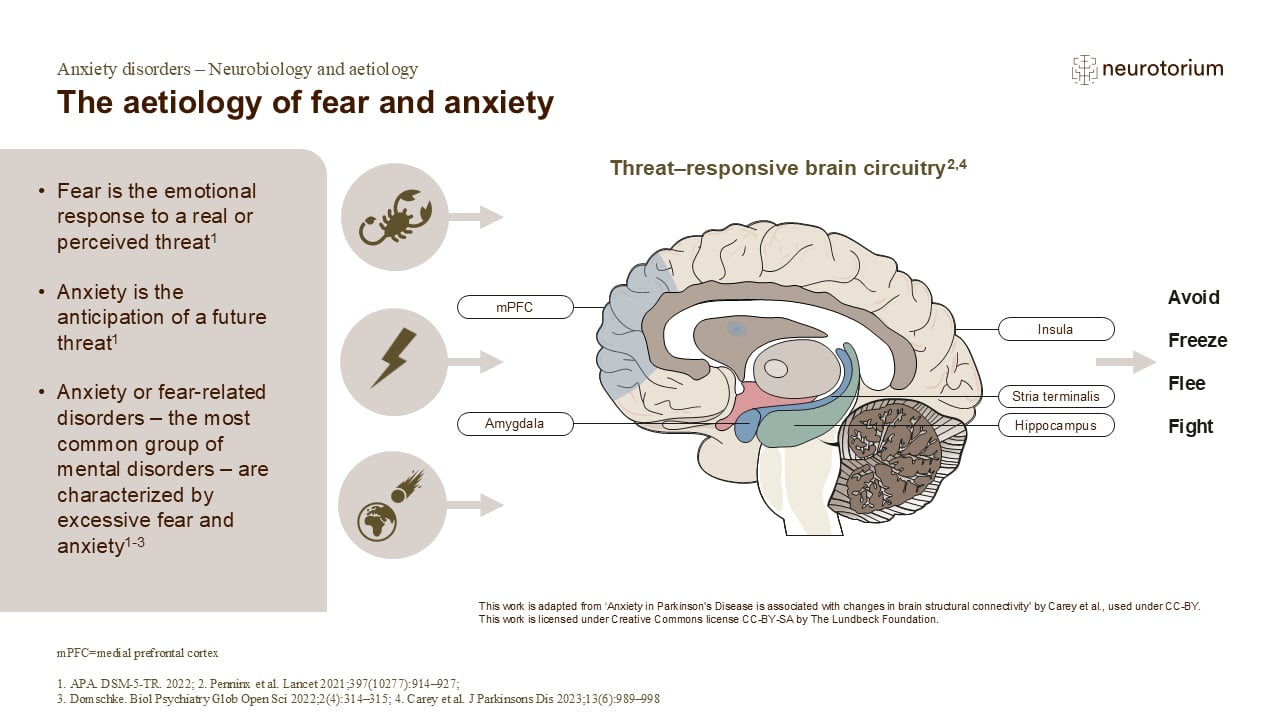
Neurobiology and Aetiology
This slide deck introduces the neurobiology of fear and anxiety responses, early adversity and anxiety disorders, threat conditioning and fear learning, neuroimaging insights into anxiety disorders, genetics and anxiety disorders, and more.
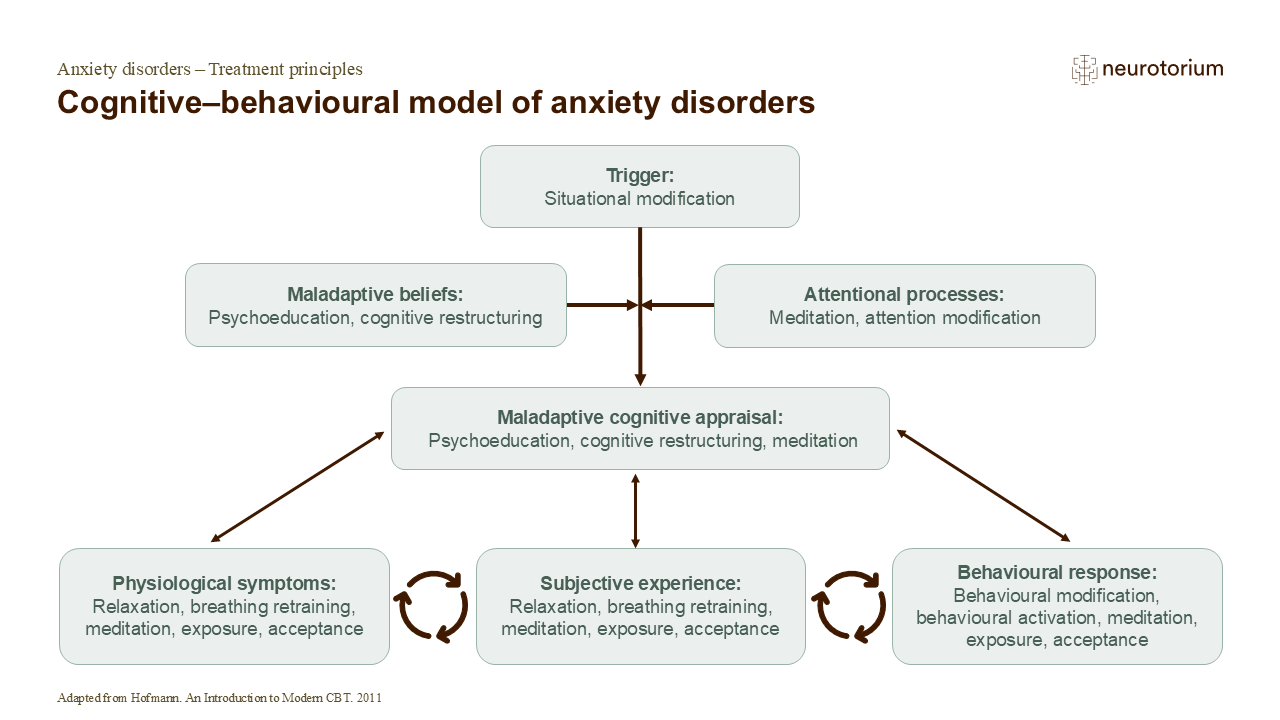
Treatment principles
This slide deck introduces both psychotherapy and pharmacotherapy for anxiety disorders, as well as treatment considerations, and principles of management of anxiety disorders.
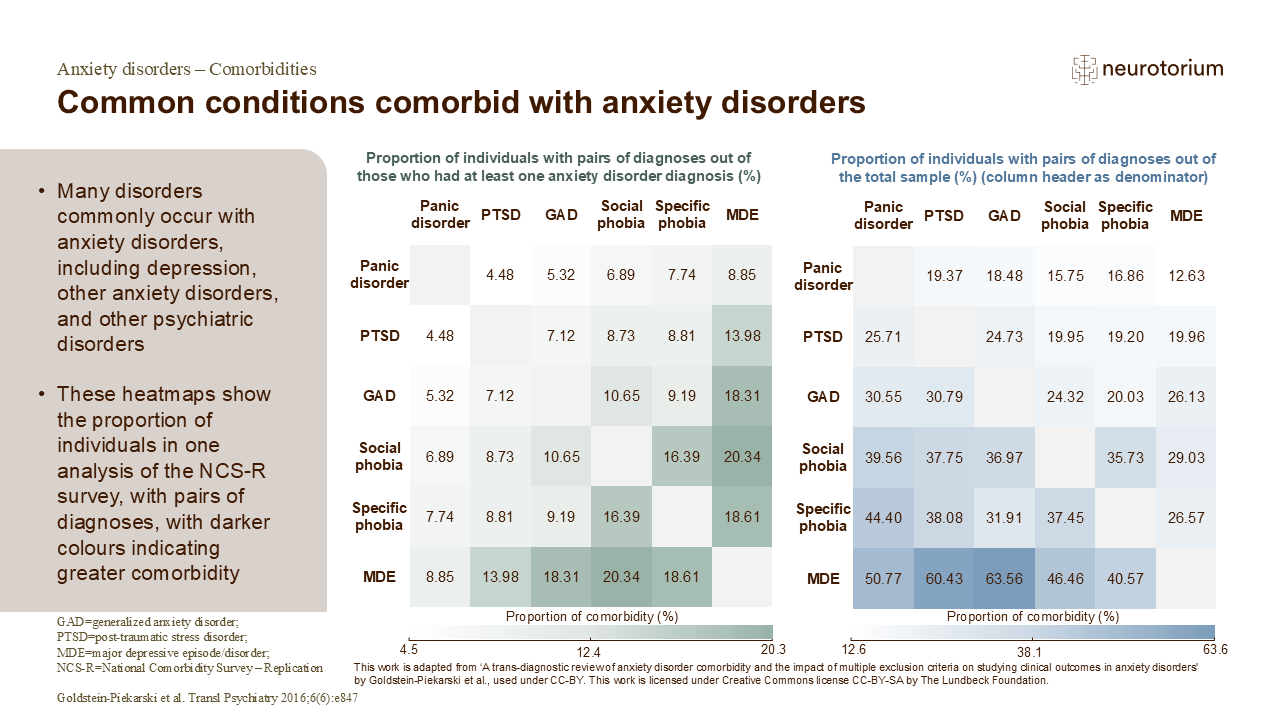
Comorbidities
This slide deck introduces psychiatric, neurological, and somatic comorbidities, as well as co-conditions of anxiety disorders. Epidemiological studies indicate a high rate of comorbidity in people with psychiatric disorders, ranging from 60–79%.
Articles on Anxiety Disorders
The need for treatment of an anxiety disorder is determined by the severity and duration of anxiety symptoms, the degree of associated distress, the level of impact on everyday life, and the coexistence of depressive symptoms. The following articles highlight emerging topics of interest within research and clinical practice.

An Introduction to Genetics in Anxiety Disorders: Overview and Outlook
Decades of twin and family research have established that anxiety disorders run in families and are meaningfully influenced by genetic factors. Family and twin studies suggest an increased recurrence risk for first degree relatives of patients with anxiety to develop any anxiety disorders.
Virtual Reality in Anxiety – An Overview
Virtual Reality (VR) technology enables a new form of exposure therapy through the creation of a so-called virtual world, known as “in-virtuo” exposure.
Watch Videos about Anxiety Disorders
Access our video series explaining complex topics, illustrating key concepts, and discussing current issues within anxiety disorders. Learn about the key features of current psychotherapeutic and pharmacological treatments, epidemiology, comorbidity, and beyond.
Comorbidity in Anxiety Disorders
In this video, Professor Dr. Milan Latas explains that comorbidity in anxiety disorders is often under-recognized in routine clinical practice, which can obscure the true clinical picture.
Current Psychotherapeutic Treatments
In this video, Professor Dr. Stefan G. Hofmann discusses the effectiveness of exposure therapy and cognitive behavioral interventions in treating anxiety disorders.
Growing Burden from Anxiety Disorders
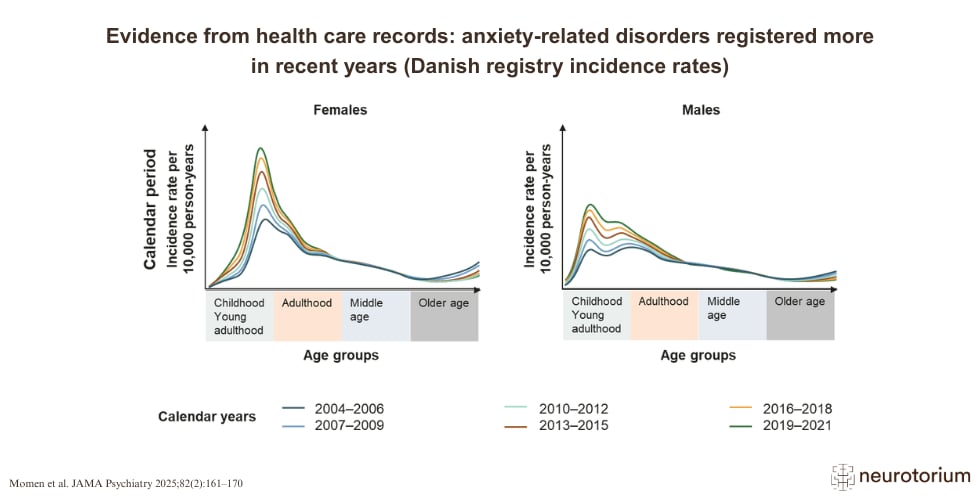
In the video, Professor Dr. Brenda Penninx highlights a significant increase in the prevalence of anxiety disorders, with a 50% rise over the last decade, affecting about 10% of the population.
Dual Treatment Approaches for Anxiety Disorders
In this video, Professor Dr. David Baldwin highlights the dual treatment approaches for anxiety disorders: pharmacological and psychotherapeutic treatments.
Course and Progression of Anxiety Disorders
In this video, Professor Dr. Dan Stein highlights the dynamic nature of anxiety disorders, emphasizing the need to re-conceptualize them from a course perspective.

Pharmacological Anxiety Treatments
In this video, Professor Nicolas Singewald discusses the emerging opportunities and challenges associated with pharmaceutical treatments for anxiety disorders.
Download Illustrations & Figures about Anxiety Disorders
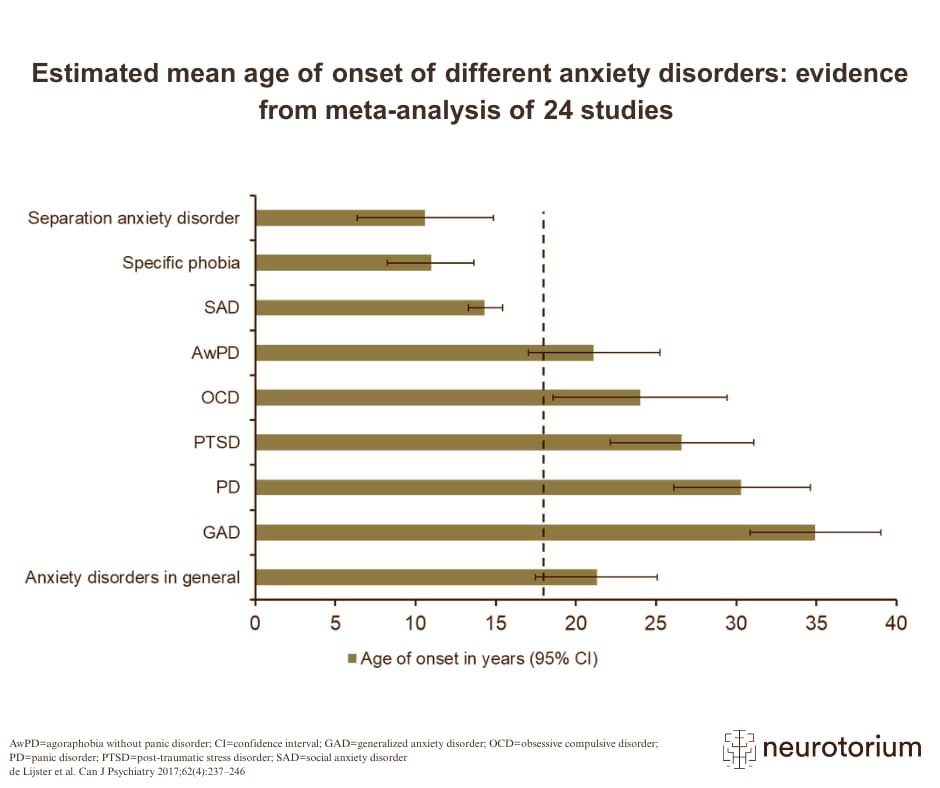
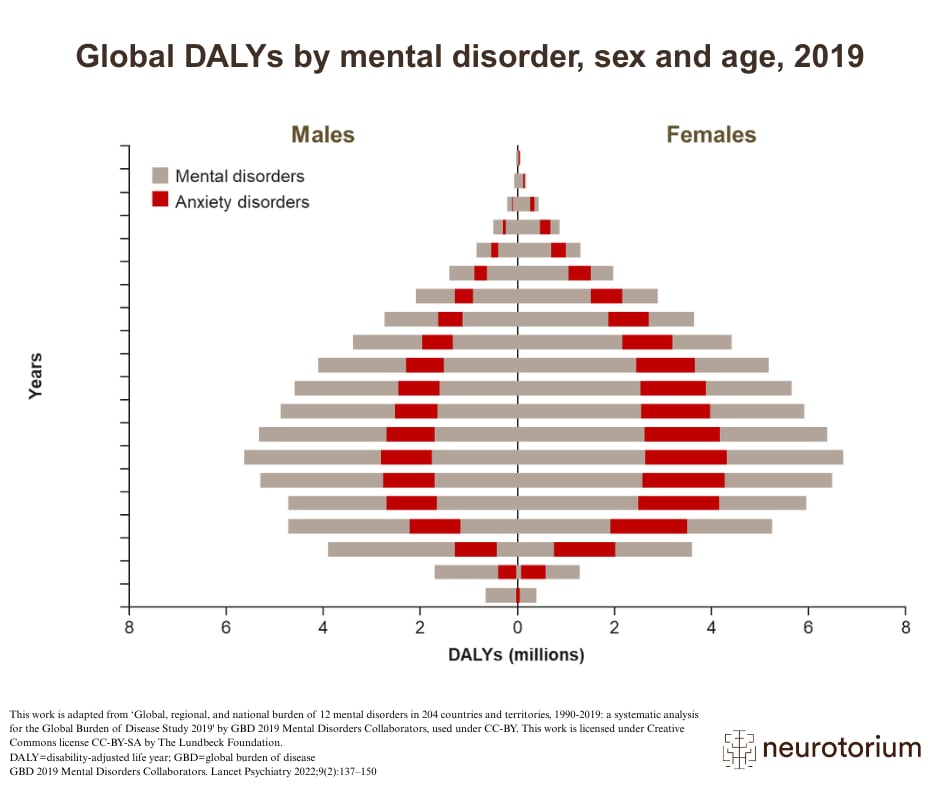
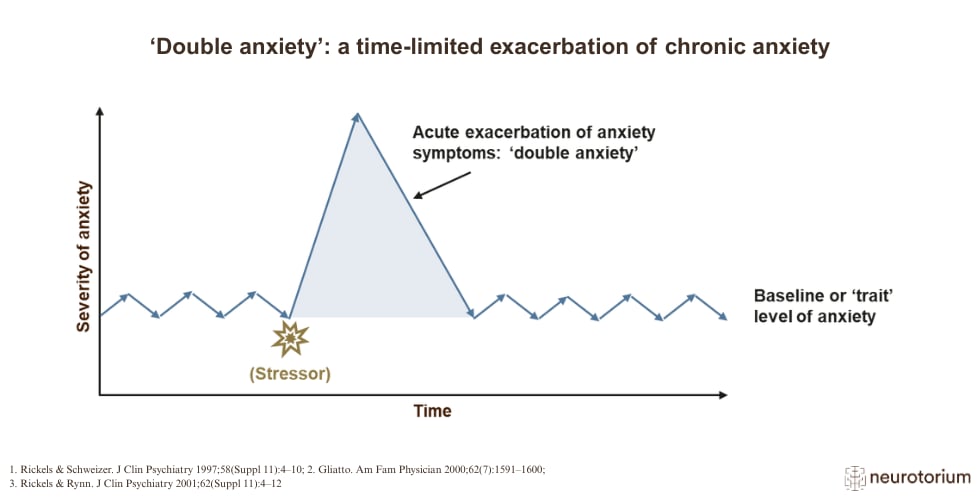
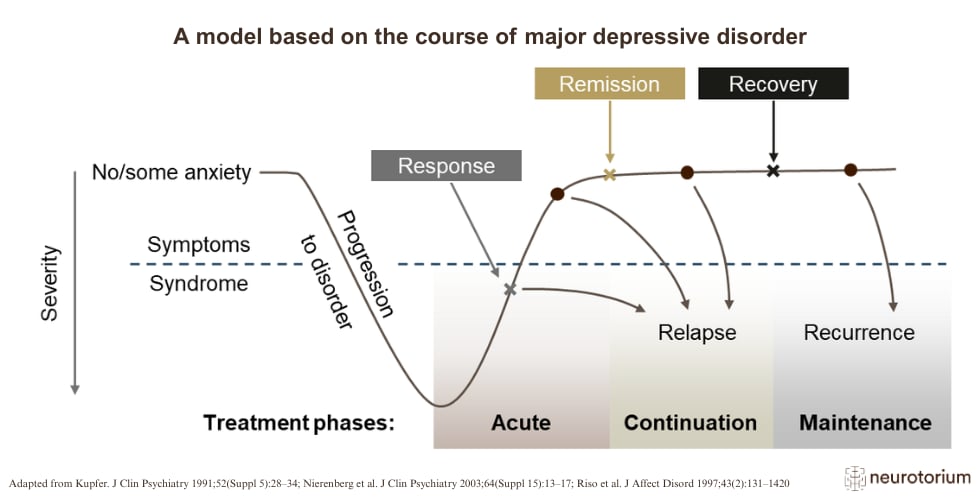
The treatment of anxiety disorders involves acute treatment, which alleviates the immediate symptoms and is continued into maintenance treatment, which aims to prevent the recurrence of mood disturbances. Download and use our free images illustrating various aspects of anxiety disorders. These are some of the selected images – further images regarding anxiety disorders are accessible via the button below.
Frequently Asked Questions (FAQ)
The information provided in this document is for educational purposes only and is not a substitute for medical care. If you have questions about your health, speak with a healthcare professional.
Anxiety is a normal and common emotional response to stress or perceived threat, and most people experience feelings of anxiety from time to time. In contrast, anxiety disorders are clinical conditions in which anxiety becomes intense, persistent, difficult to control, and at times disproportionate to the actual situation.
People living with anxiety disorders often experience intense worry or fear about everyday situations that interferes with daily functioning and may persist over long periods of time.
According to ICD-11, anxiety disorders include generalized anxiety disorder, panic disorder, social anxiety disorder, specific phobias, agoraphobia, selective mutism and separation anxiety disorder. Individuals may experience more than one anxiety disorder simultaneously, and anxiety disorders frequently co-occur with other mental health conditions, such as depression and substance abuse disorders.
References
- Neurotorium. Anxiety – History, Definitions, and Diagnosis. https://neurotorium.org/slidedeck/anxiety-disorders-history-definitions-and-diagnosis/
- WHO. Anxiety disorders. World Health Organization https://www.who.int/ news-room/fact-sheets/detail/anxiety-disorders.
- Mayo Clinic. Anxiety disorders – Symptoms and causes. Mayo Clinic https:// www.mayoclinic.org/diseases-conditions/anxiety/symptoms-causes/syc- 20350961.
- Domschke, K. & Zwanzger, P. Taxonomy of anxiety disorders-a comparison of ICD-10 and ICD-11. Nervenarzt 96, 1–5 (2025).
The causes of anxiety disorders are complex and usually involve a combination of factors. Anyone can develop an anxiety disorder, but people who have experienced abuse, severe loss, trauma, or other adverse life events are at higher risk. Risk for anxiety disorders is also influenced by genetic factors, neurotransmitter imbalances and dysfunctional brain fear network function. In addition, certain medical conditions may play a direct role in the onset of anxiety disorders, while the challenges of coping with a chronic or serious illness can further contribute to their development.
References
- Neurotorium. Anxiety – Neurobiology and Aetiology. https://neurotorium.org/slidedeck/anxiety-disorders-neurobiology-and-aetiology/
- WHO. Anxiety disorders. World Health Organization https://www.who.int/ news-room/fact-sheets/detail/anxiety-disorders.
- Penninx, B. W., Pine, D. S., Holmes, E. A. & Reif, A. Anxiety disorders. The Lancet 397, 914–927 (2021).
Anxiety disorders are the world’s most common mental disorders, affecting 359 million people in 2021 or an estimated 4,4% of the global population. Anxiety disorders are more common in females than in males, across all ages. Anxiety Disorders are most common over a one-year period among people aged 18-25. In adulthood, 10- 14% of the population fulfil the DSM criteria for anxiety disorder within a year.
References
- Neurotorium. Anxiety – Epidemiology and Burden. https://neurotorium.org/slidedeck/anxiety-disorders-epidemiology-and-burden/
- WHO. Anxiety disorders. World Health Organization https://www.who.int/ news-room/fact-sheets/detail/anxiety-disorders.
- Penninx, B. W., Pine, D. S., Holmes, E. A. & Reif, A. Anxiety disorders. The Lancet 397, 914–927 (2021).
Anxiety disorders can affect thoughts, emotions, behaviour, and physical functioning. Common symptoms include excessive worry, restlessness, muscle tension, rapid heartbeat, sleep disturbances, difficulty concentrating, and sweating.
Individuals with anxiety disorders will also avoid fearful situations or things that trigger anxiety. The severity and course of anxiety disorders can vary across individuals; remission, relapse, and recovery are all common outcomes.
References
- Neurotorium. Anxiety disorders – History, definitions, and diagnosis. https://neurotorium.org/slidedeck/anxiety-disorders-history-definitions-and-diagnosis/.
- WHO. Anxiety disorders. World Health Organization https://www.who.int/ news-room/fact-sheets/detail/anxiety-disorders.
- Mayo Clinic. Anxiety disorders – Symptoms and causes. Mayo Clinic https:// www.mayoclinic.org/diseases-conditions/anxiety/symptoms-causes/syc- 20350961.
- ten Have, M. et al. How chronic are depressive and anxiety disorders? 9-year general population study using narrow and broad course outcomes. J. Affect. Disord. 317, 149–155 (2022).
Anxiety disorders are diagnosed by a qualified healthcare professional, such as a physician, particularly psychiatrist, or psychologist. The diagnosis is based on clinical assessment and can include a detailed interview covering current symptoms, their duration and severity, and the extent to which symptoms interfere with daily functioning.
Standardized diagnostic criteria from internationally recognized classification systems are used to guide diagnosis, including the Diagnostic and Statistical Manual of Mental Disorders, Fifth Edition (DSM-5) and the International Classification of Diseases ICD- 11).
In some cases, a physical examination or additional tests may be performed to rule out medical conditions or substance-related causes that can produce symptoms similar to anxiety disorders.
References
- Neurotorium. Anxiety – History, Definitions, and Diagnosis. https://neurotorium.org/slidedeck/anxiety-disorders-history-definitions-and-diagnosis/.
- Craske, M. G. et al. Anxiety disorders. Nat. Rev. Dis. Primer 3, 17024 (2017).
- ICD-11 for Mortality and Morbidity Statistics. https://icd.who.int/browse/2025- 01/mms/en#1336943699.
The need for treatment is determined by several factors such as severity and duration, level of impact on life, and coexistence of other conditions and symptoms.
Effective treatments for anxiety disorders include psychotherapy, medication, or a combination of both. Cognitive behavioural therapy (CBT) is one of the most widely used and well-established psychotherapies, helping individuals identify and modify unhelpful thought patterns and behaviours that maintain anxiety. CBT may include techniques such as cognitive restructuring, exposure to feared situations, and skills to manage stress and emotional responses.
Medications may be prescribed when symptoms are moderate to severe, persistent, or when psychotherapy alone is insufficient. Commonly used medications include selective serotonin reuptake inhibitors (SSRIs) and other antidepressants. In some cases, additional anti-anxiety medications may be used for symptom management, depending on individual needs and clinical judgment.
Lifestyle changes, stress management, relaxation techniques, and mindfulness practices can further help reduce symptoms.
References
- Neurotorium. Anxiety – Treatment Principles. https://neurotorium.org/slidedeck/anxiety-disorders-treatment-principles/.
- Mayo Clinic. Anxiety disorders – Symptoms and causes. Mayo Clinic https:// www.mayoclinic.org/diseases-conditions/anxiety/symptoms-causes/syc- 20350961.
- Bandelow, B. et al. World Federation of Societies of Biological Psychiatry (WFSBP) guidelines for treatment of anxiety, obsessive-compulsive and posttraumatic stress disorders – Version 3. Part I: Anxiety disorders. World J. Biol. Psychiatry Off. J. World Fed. Soc. Biol. Psychiatry 24, 79–117 (2023).
Quality of life can be improved by prioritising a healthy routine that includes regular physical activity, balanced nutrition, and sufficient sleep. Maintaining consistent eating and sleeping patterns can help stabilise mood and reduce anxiety symptoms, while regular exercise – even gentle activities such as walking – has been shown to support emotional regulation. Reducing or avoiding alcohol, caffeine and illicit substances including cannabis is also important, as these can exacerbate anxiety. Building strong social support networks, alongside learning practical coping strategies such as relaxation techniques (for example, slow breathing or progressive muscle relaxation) and mindfulness meditation, can further assist individuals in managing symptoms and promoting overall well-being.
References
Cognitive Behavioural Therapy (CBT): A form of psychotherapy that focuses on the connection between thoughts, feelings, and behaviours, includes exposure exercises and helps people develop practical strategies to manage challenges and improve well-being.
DSM criteria (Diagnostic and Statistical Manual of Mental Disorders): Diagnostic standards published and used to classify and diagnose mental health conditions.
ICD-11 (International Classification of Diseases, 11th revision): Providing international standards for diagnosing diseases, including mental and behavioural disorders.
Selective serotonin reuptake inhibitors (SSRIs): A class of medications commonly used to treat anxiety and depression by increasing serotonin levels in the brain.
References
- Craske, M. G. et al. Anxiety disorders. Nat. Rev. Dis. Primer 3, 17024 (2017).
- ICD-11 for Mortality and Morbidity Statistics. https://icd.who.int/browse/2025- 01/mms/en#1336943699.
- Bandelow, B. et al. World Federation of Societies of Biological Psychiatry (WFSBP) guidelines for treatment of anxiety, obsessive-compulsive and posttraumatic stress disorders – Version 3. Part I: Anxiety disorders. World J. Biol. Psychiatry Off. J. World Fed. Soc. Biol. Psychiatry 24, 79–117 (2023).
- Mayo Clinic. Selective serotonin reuptake inhibitors (SSRIs). Mayo Clinic https:/ /www.mayoclinic.org/diseases-conditions/depression/in-depth/ssris/art- 20044825 (2024).
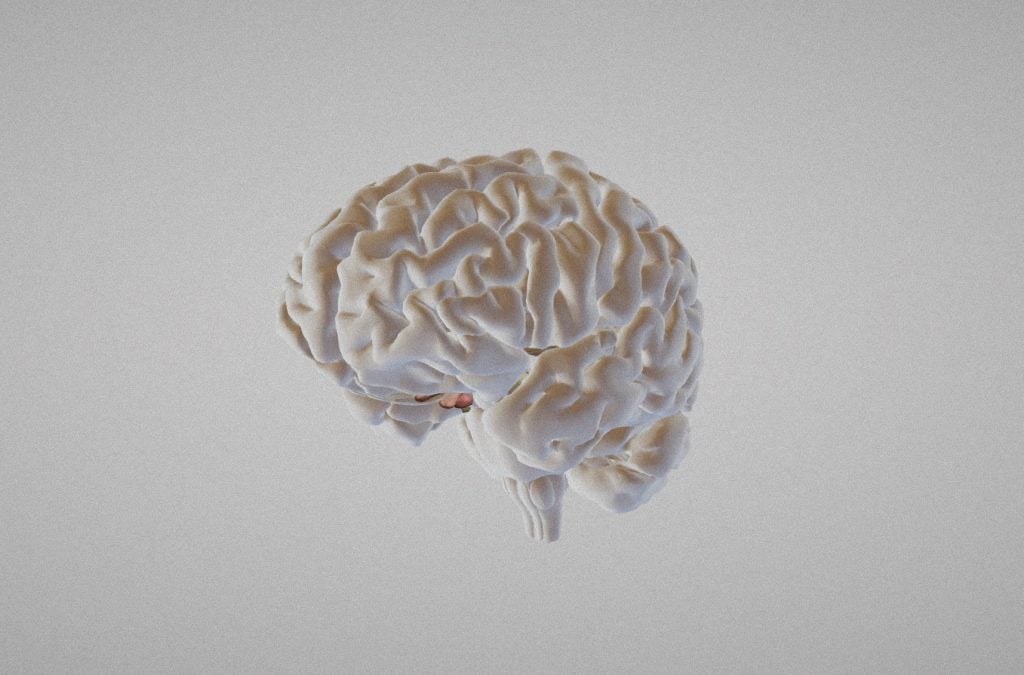
3D Brain Atlas
Several structural differences have been shown in neuroimaging studies of people with anxiety disorders. Reduced grey matter volume has been found within regions of the prefrontal cortex, the right insula, and other brain regions1. A different analysis of functional connectivity in people with GAD found that, compared with controls, people with anxiety had changes in key nodes of the resting state network, including reduced volumes in the hippocampus, anterior cingulate cortex, and amygdala2.