

In this video, Professor Dr. Dan Stein highlights the dynamic nature of anxiety disorders, emphasizing the need to re-conceptualize them from a course perspective. He notes that while diagnostic criteria in DSM-5 and ICD-11 are static, anxiety disorders are more fluid. Longitudinal studies show that these conditions persist and are often comorbid, but also that persistence with treatment leads to significant improvement. Predictors of course include biological, psychological, and social factors, which are crucial for understanding and managing anxiety disorders over a lifetime.
Professor Dr. Dan Stein
Professor and Chair of the Dept of Psychiatry and Mental Health,
University of Cape Town, South Africa
Related content

Decades of twin and family research have established that anxiety disorders run in families and are meaningfully influenced by genetic factors. Family and twin studies suggest an increased recurrence risk for first degree relatives of patients with anxiety to develop any anxiety disorders.
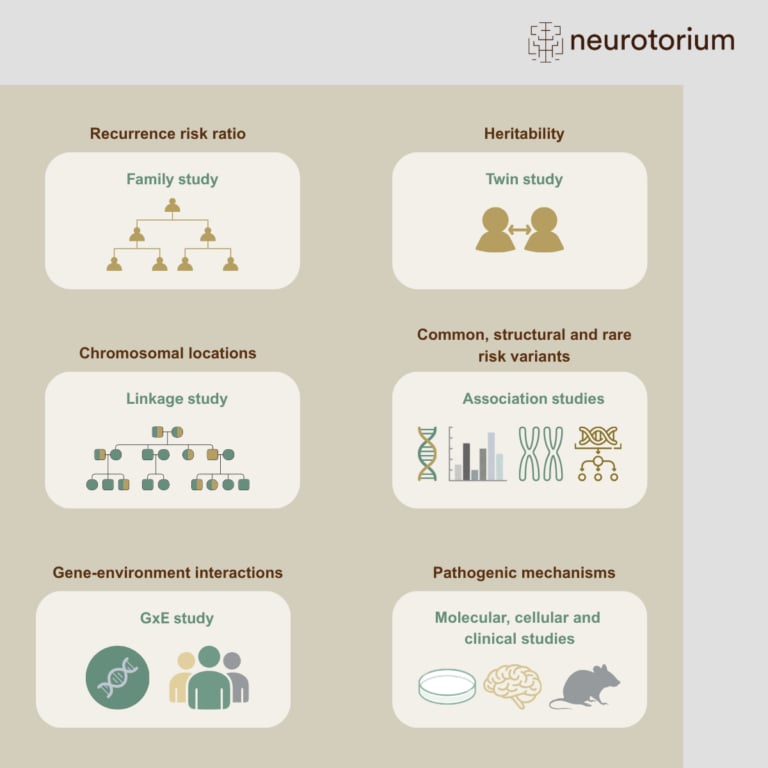
Family and twin studies estimate recurrence risk and heritability, showing that anxiety disorders aggregate in families and have a moderate genetic component.
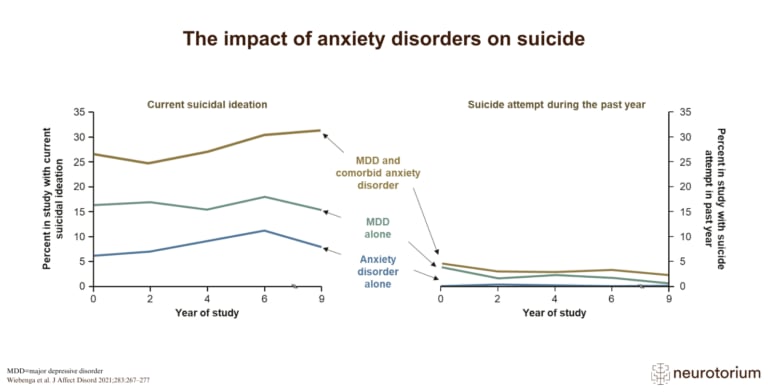
Suicidal ideation is far more common than attempts in people with anxiety or depression, especially with comorbid disorders and severe depression.