












Index for
slide deck
Introduction
Anxiety disorders - Course, natural history, and prognosis
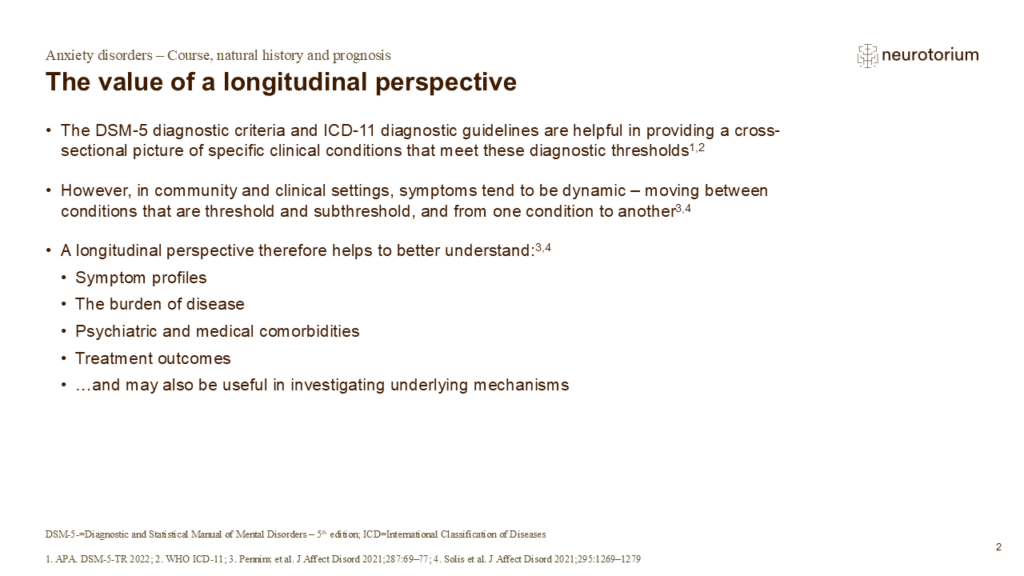
The value of a longitudinal perspective
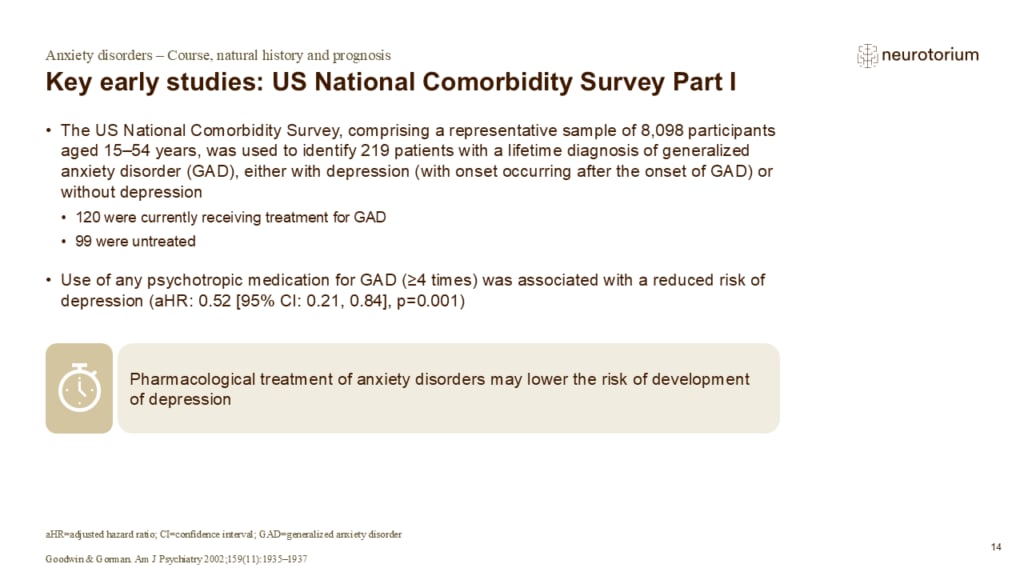
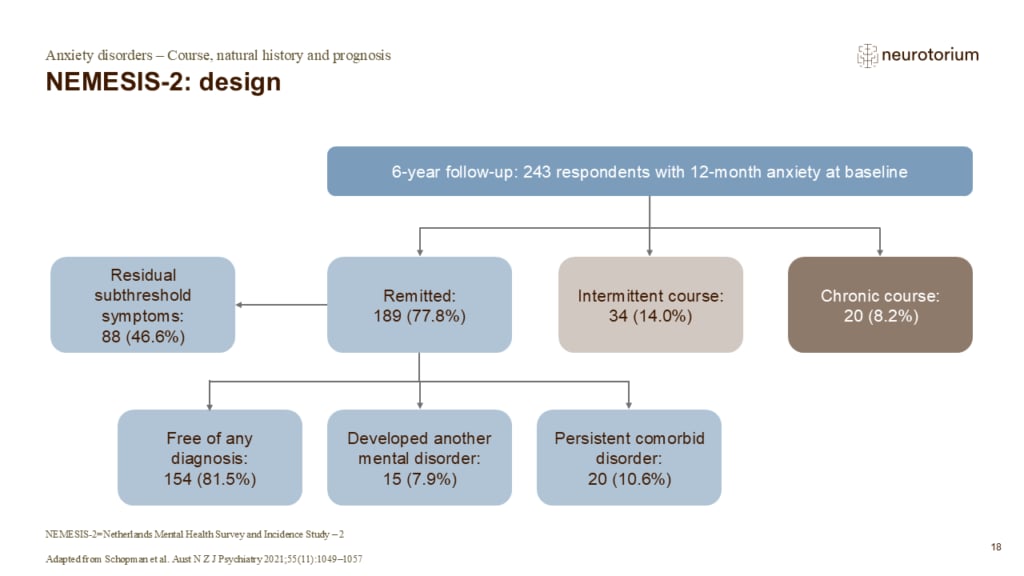
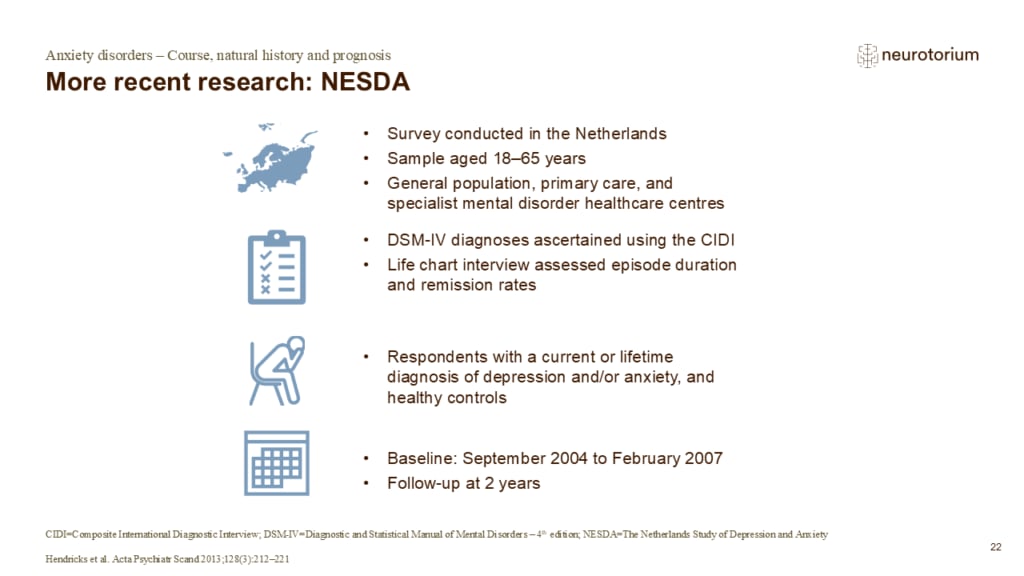
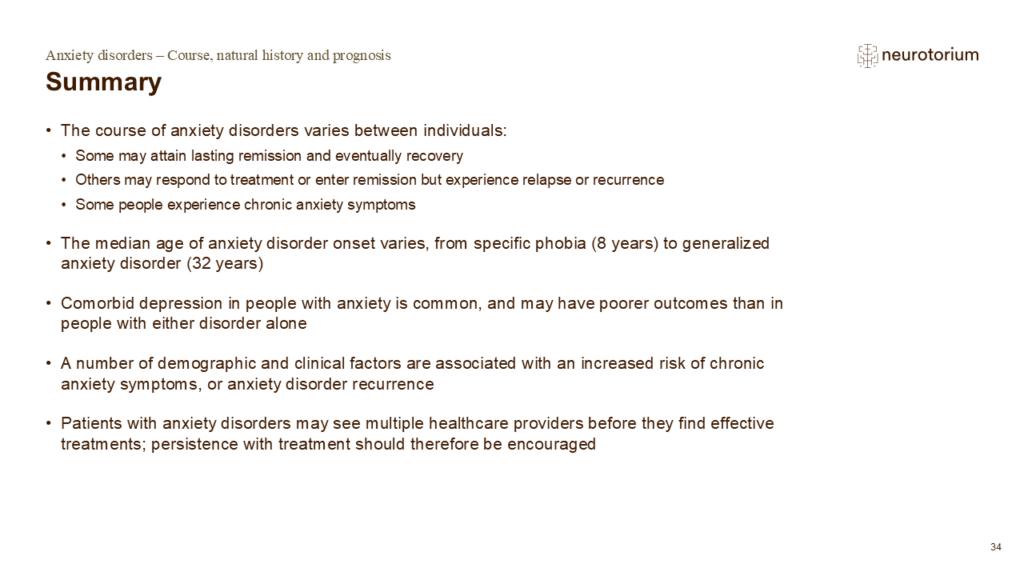
DSM diagnostic criteria may not fully capture the persistence of depressive and anxiety symptoms over time, as recovery according to DSM criteria does not necessarily coincide with symptomatic recovery.4 This was demonstrated by the Netherlands Study of Depression and Anx…
The course of anxiety disorders
The course of anxiety disorders
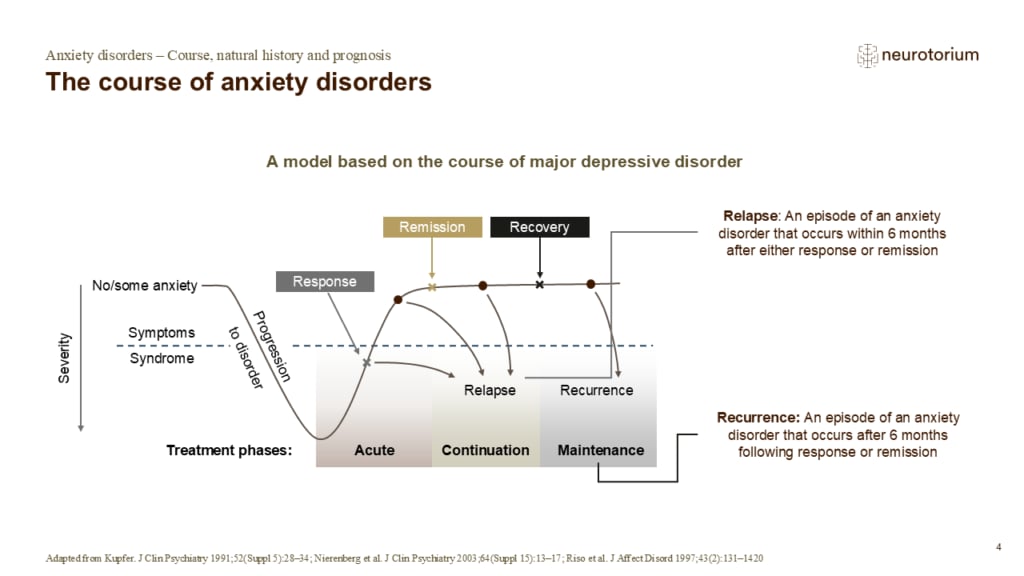
The course of anxiety disorders
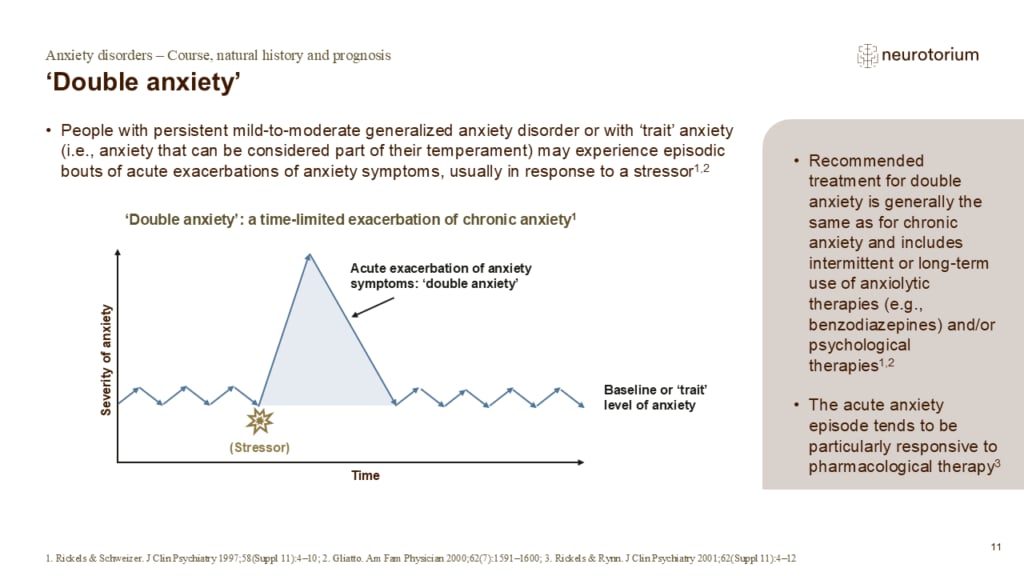
Some patients with anxiety disorders, e.g. patients with generalized anxiety disorder, may be experiencing persistent anxiety without a precipitating stressor; subsequently, a stressor may exacerbate this baseline level of anxiety.4 This phenomenon is called ‘double anxie…
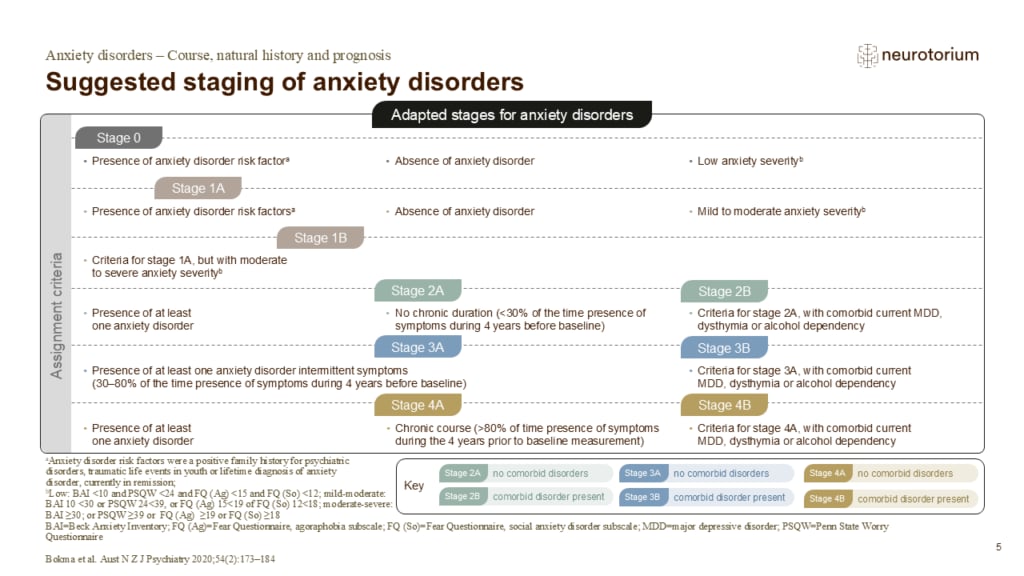
Suggested staging of anxiety disorders
This study used data from a cohort study to create a nine-stage model of anxiety disorder progression (from subclinical stages [0, 1A, 1B] to clinical stages [2A–4B]), which was found to have construct and predictive validity.1 A valid staging model of anxiety disorders w…
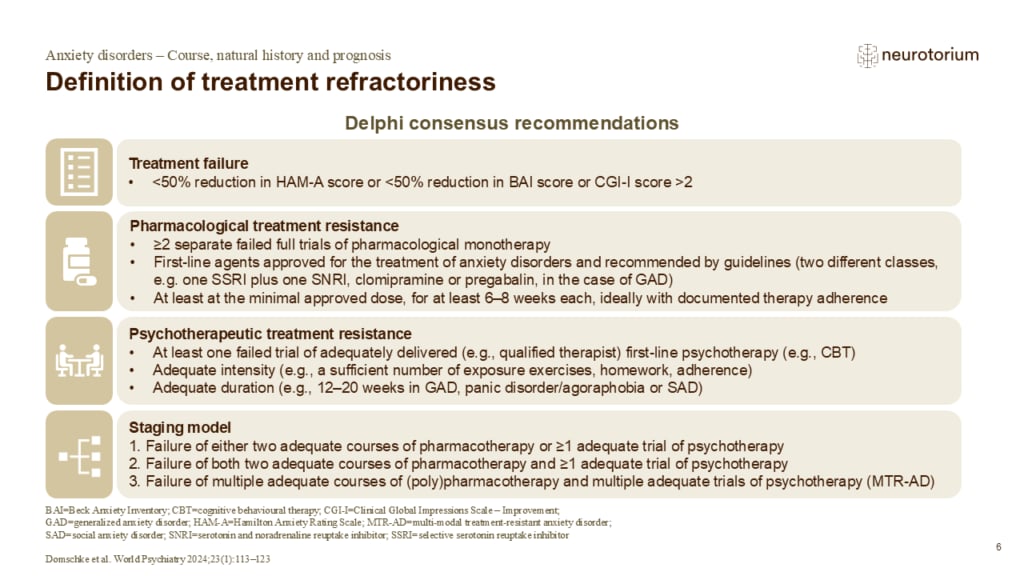
Definition of treatment refractoriness
The Delphi consensus recommendations for treatment-resistant anxiety disorders are intended as a systematic, consistent and practical guideline to define this condition and thereby aid in designing future clinical trials for regulatory purposes as well as other research p…
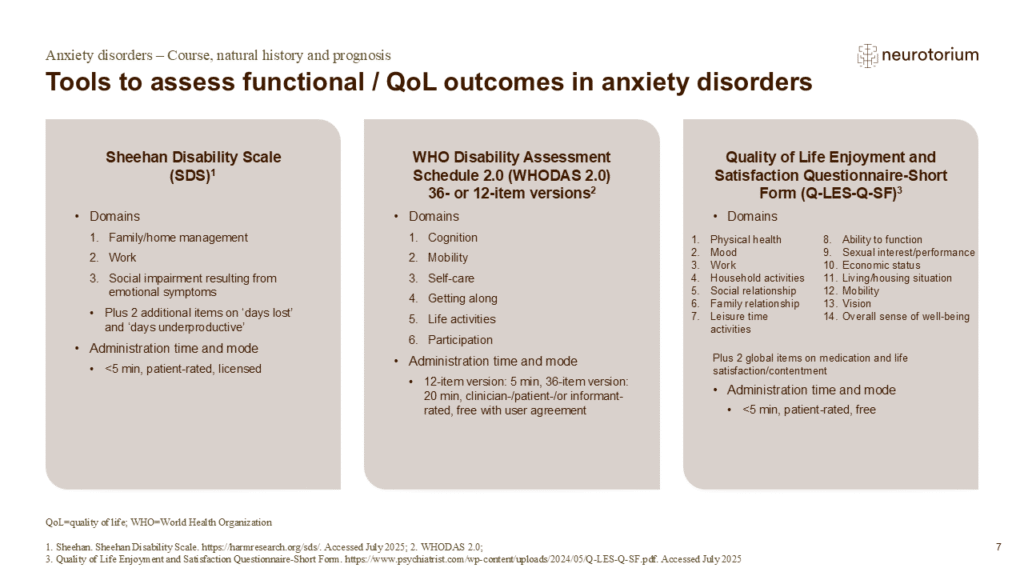
Tools to assess functional / QoL outcomes in anxiety disorders
Some tools exist that can be useful to assess psychosocial functioning or quality of life in anxiety disorders, such as the Sheehan Disability Scale (SDS), the World Health Organization Disability Assessment Schedule 2.0 (WHODAS 2.0), and the Quality of Life Enjoyment and…
Recovery in people with social anxiety disorder
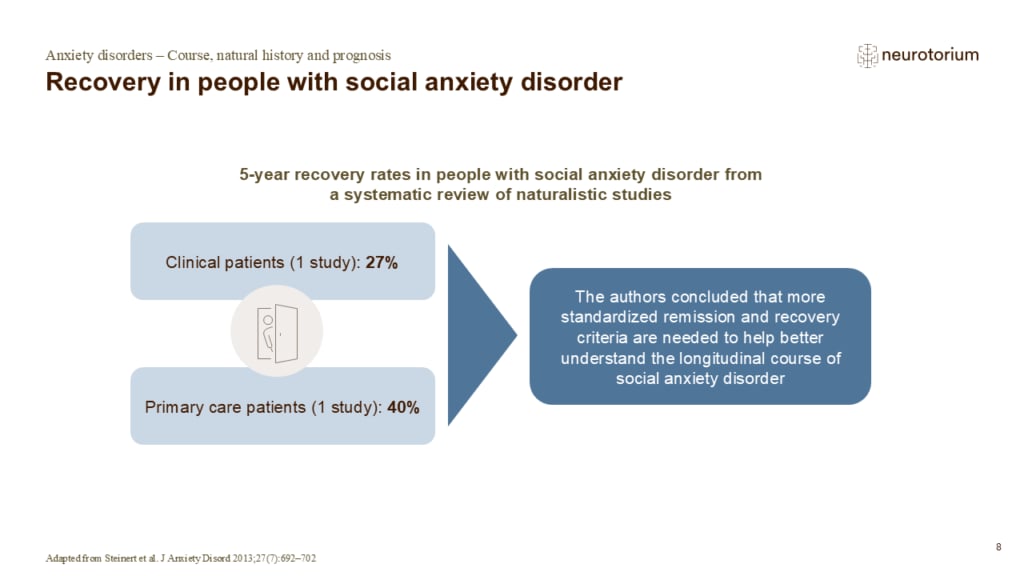
Social anxiety disorder can be a chronic disorder, associated with serious impairments in different areas of life and with lower rates of recovery than other anxiety disorders.1 Standardized remission and recovery criteria, accounting for residual symptoms, comorbid disor…

Age of onset – anxiety disorders and other mental disorders
Specific targets of fear and anxieties (e.g., strange people, other animals, contaminants) emerge at specific stages of development, and their order of appearance is surprisingly stable among children from vastly different social and cultural environments, ranging from no…
Anxiety disorders in adolescents
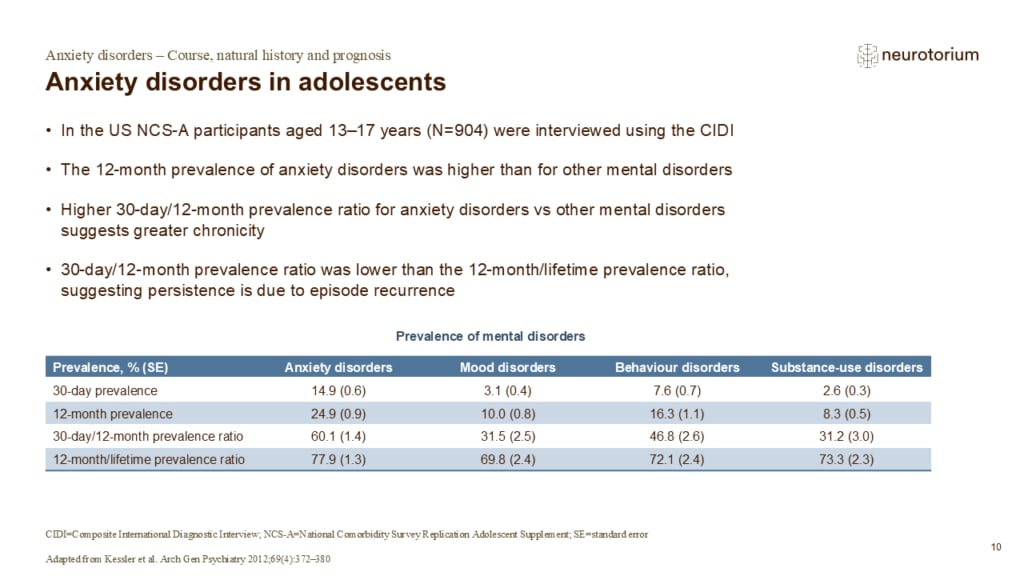
Anxiety disorders were found to have a significantly higher 30-day and 12-month prevalence of anxiety disorders in girls than in boys (with most odds ratios in the range of 1.5–2.5), suggesting a more persistent course of anxiety disorders in girls than in boys.1
Referenc…
‘Double anxiety’
Patients experiencing ‘double anxiety’ often have other comorbid anxiety or depressive disorders.1
Specific phobia
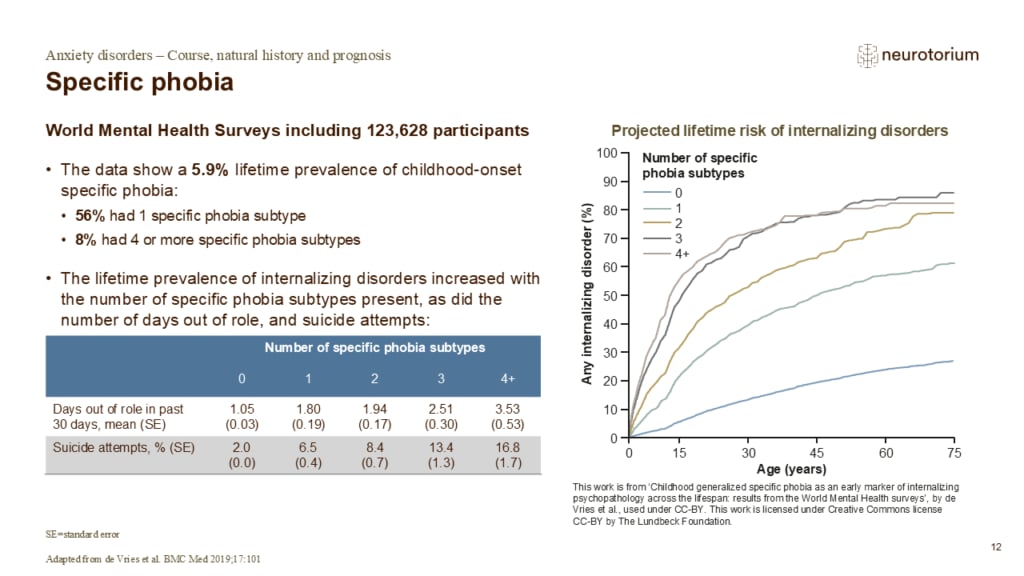
Specific phobia is a highly persistent disorder, and its persistence increases with the number of subtypes present (with a persistence of ~75% observed for people with one subtype of specific phobia, including early-onset specific phobia, rising to a persistence of ~85% f…
Related content
Decades of twin and family research have established that anxiety disorders run in families and are meaningfully influenced by genetic factors. Family and twin studies suggest an increased recurrence risk for first degree relatives of patients with anxiety to develop any anxiety disorders.
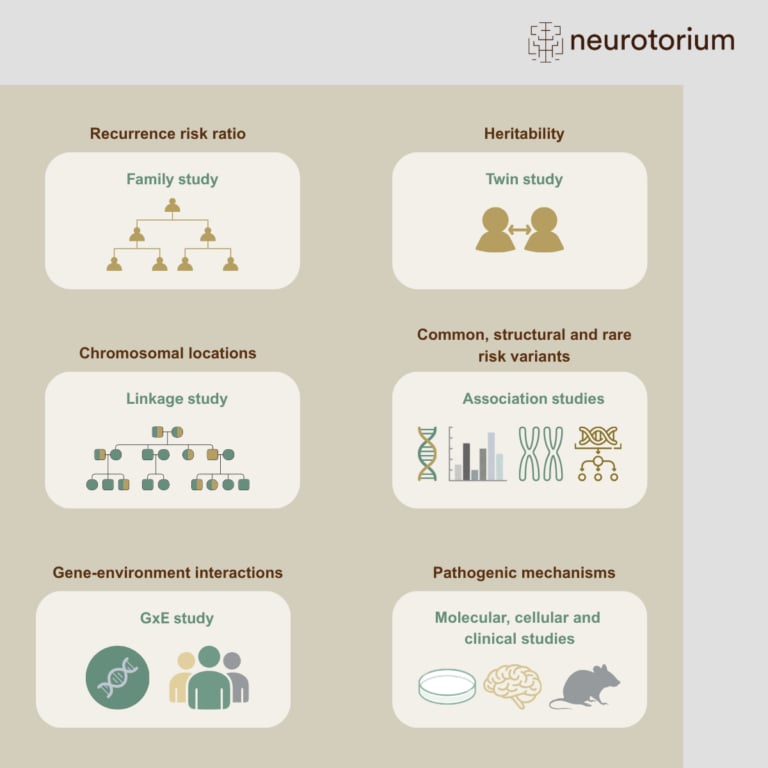
Family and twin studies estimate recurrence risk and heritability, showing that anxiety disorders aggregate in families and have a moderate genetic component.
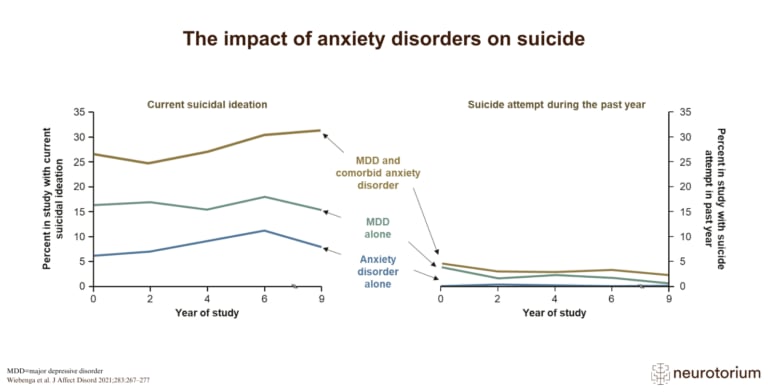
Suicidal ideation is far more common than attempts in people with anxiety or depression, especially with comorbid disorders and severe depression.