Slide Decks on Fundamentals of Neurobiology
Fundamentals of Neurobiology brings together three complementary slide decks on Molecular and Cellular Neuroscience, Systems Neuroscience, and Regional Neuroscience to provide a clear, structured introduction to how the nervous system is built and how it works. The theme moves from core cellular mechanisms, to functional neural systems, to the organisation of major brain regions, and can be explored alongside other existing theme materials, and resources such as the 3D Brain Atlas.
Get an introduction to the fundamendals of neurobiology by going through our slide decks. As with all Neurotorium materials, the content is free to download and use.
Interested in learning about the molecular mechanisms of synaptic transmission?
Molecular and Cellular Neuroscience
This slide deck introduces the cellular building blocks of the nervous system, including neurons and glia, and explains the principles of electrical and chemical signalling in the brain, as well as major neurotransmitter systems such as glutamate, GABA, dopamine, noradrenaline, serotonin, and acetylcholine. Go to the slide deck.
Systems Neuroscience
This slide deck introduces the nervous system as a set of functional systems that work together to support behaviour and cognition. It covers the principles of sensory processing, the organisation of motor control, and associational systems involved in functions such as memory, learning, perception, decision-making, and emotional regulation. Go to the slide deck.
Regional Neuroscience
This slide deck introduces the anatomical organisation of the nervous system, from the central and peripheral nervous systems to the spinal cord, cerebral cortex, and major subcortical structures. It covers key neuroanatomical terminology and explores the functions and clinical relevance of regions such as the hypothalamus, basal ganglia, amygdala, and hippocampus.
Go to the slide deck.
Download Illustrations & Figures on Fundamentals of Neurobiology
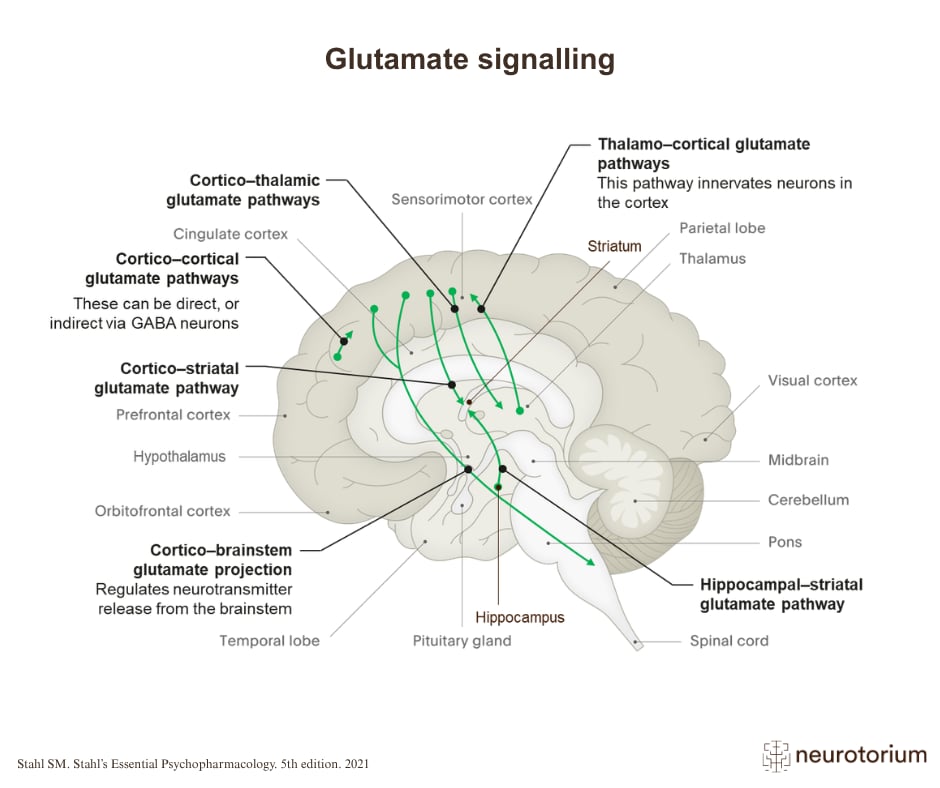
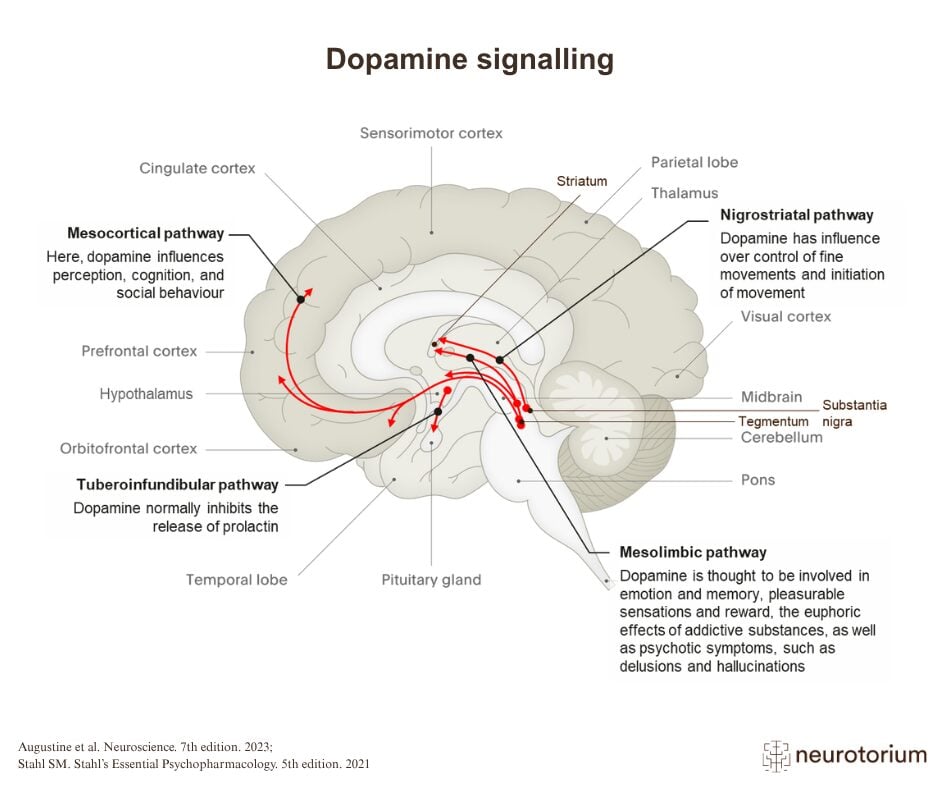
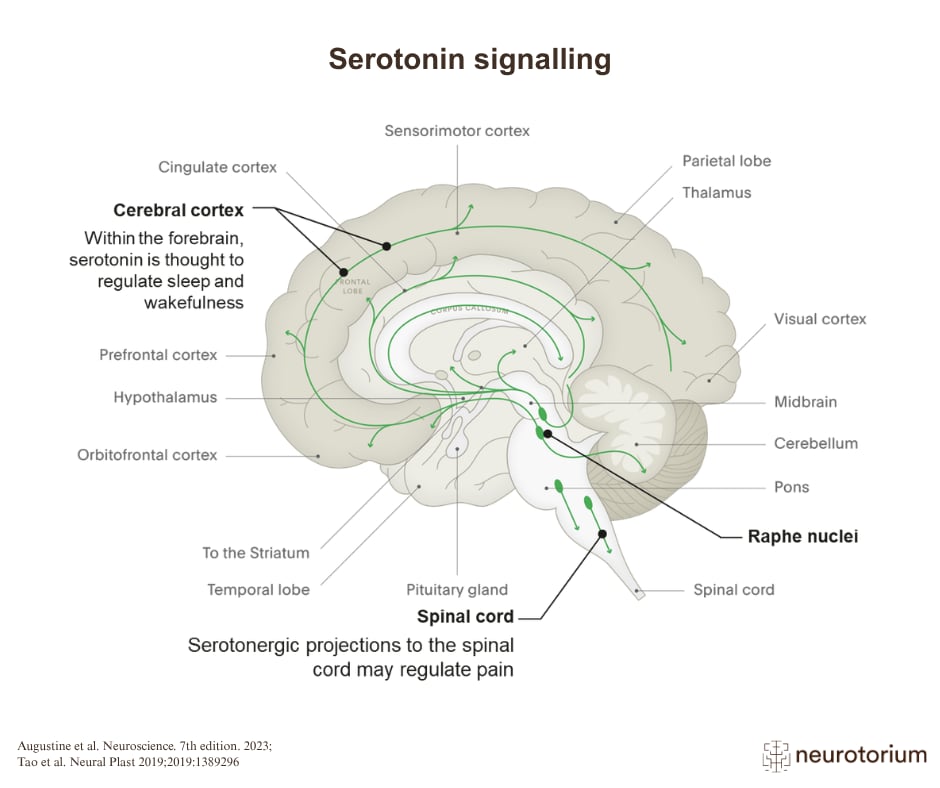
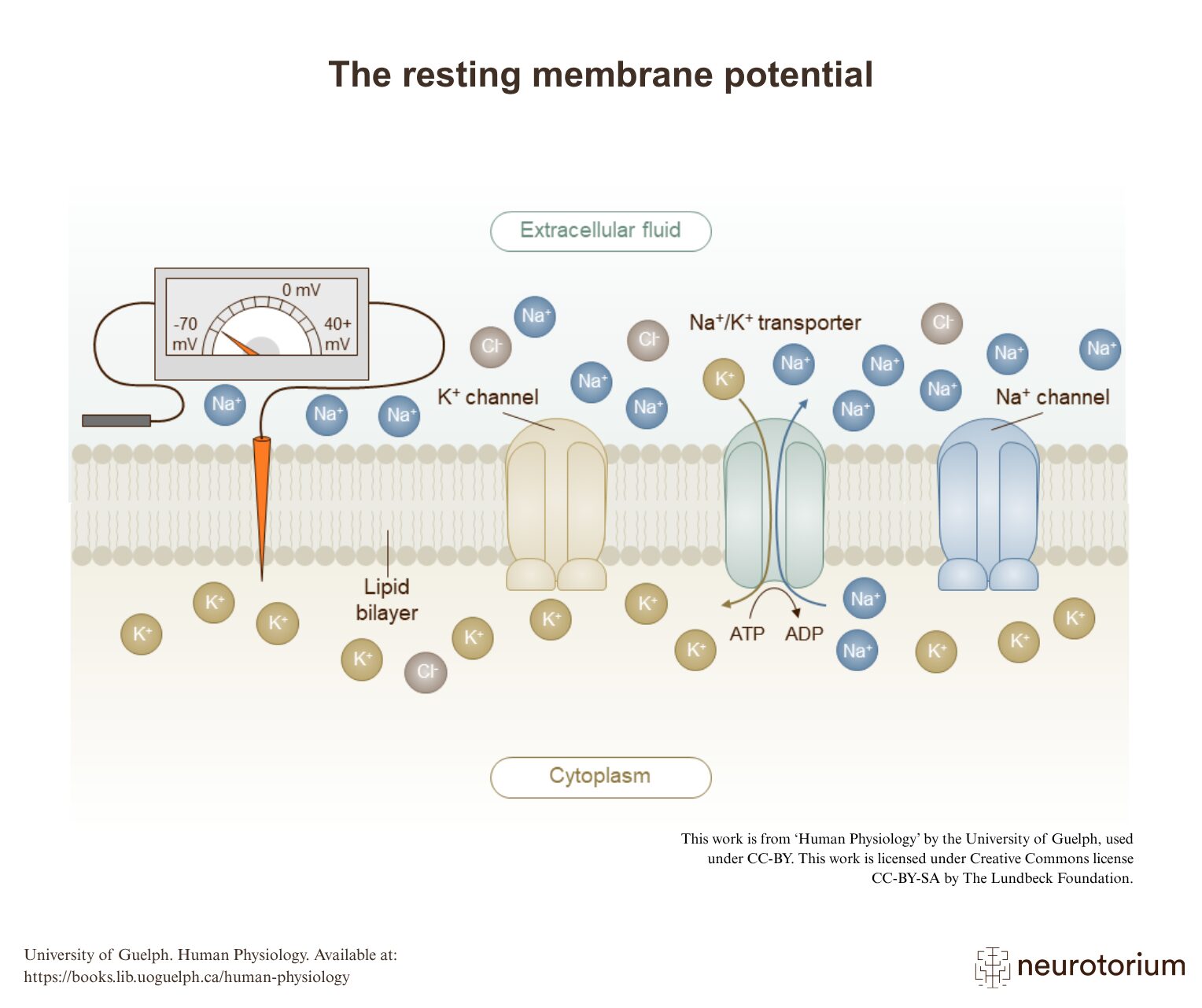
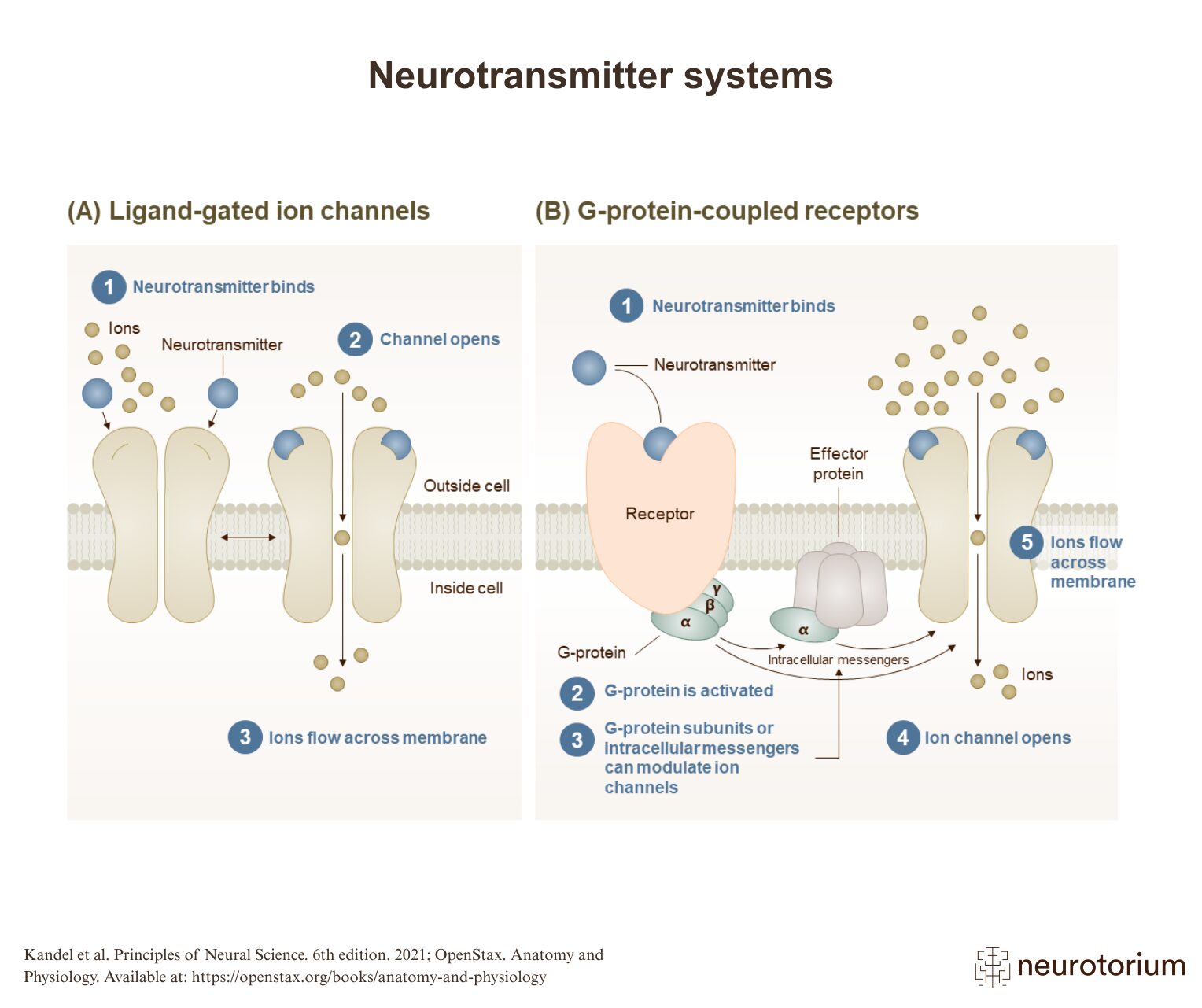
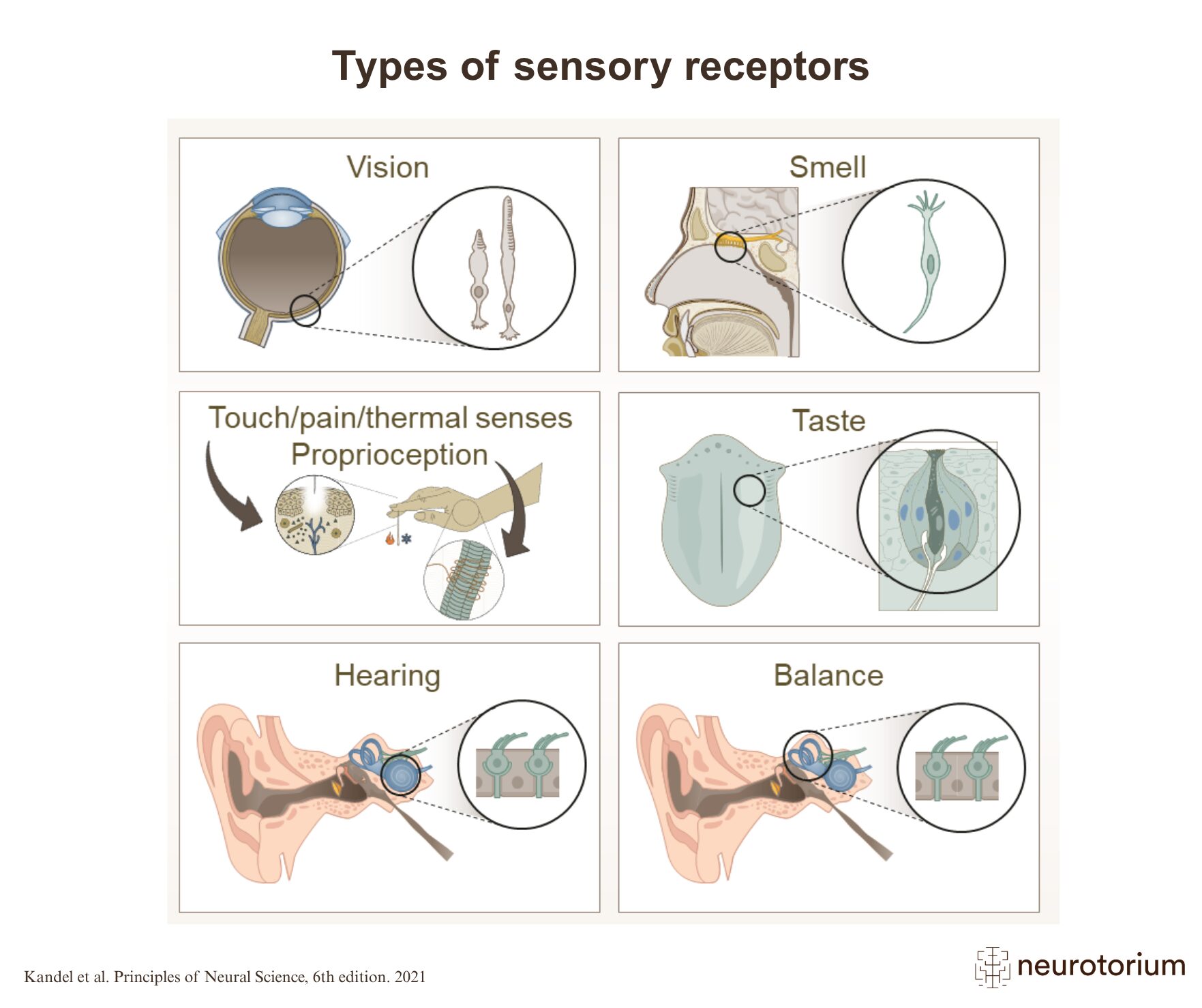
Explore our free illustrations and figures covering core concepts in neurobiology, designed to support teaching, learning, and presentations. The collection includes images on topics such as neuronal and glial cell biology, electrical and chemical signalling, the organisation of the central and peripheral nervous systems, major brain regions, and the functional systems that support sensation, movement, memory, emotion, and cognition. Below is a selection of illustrations; more are available via the button below.
3D Brain Atlas
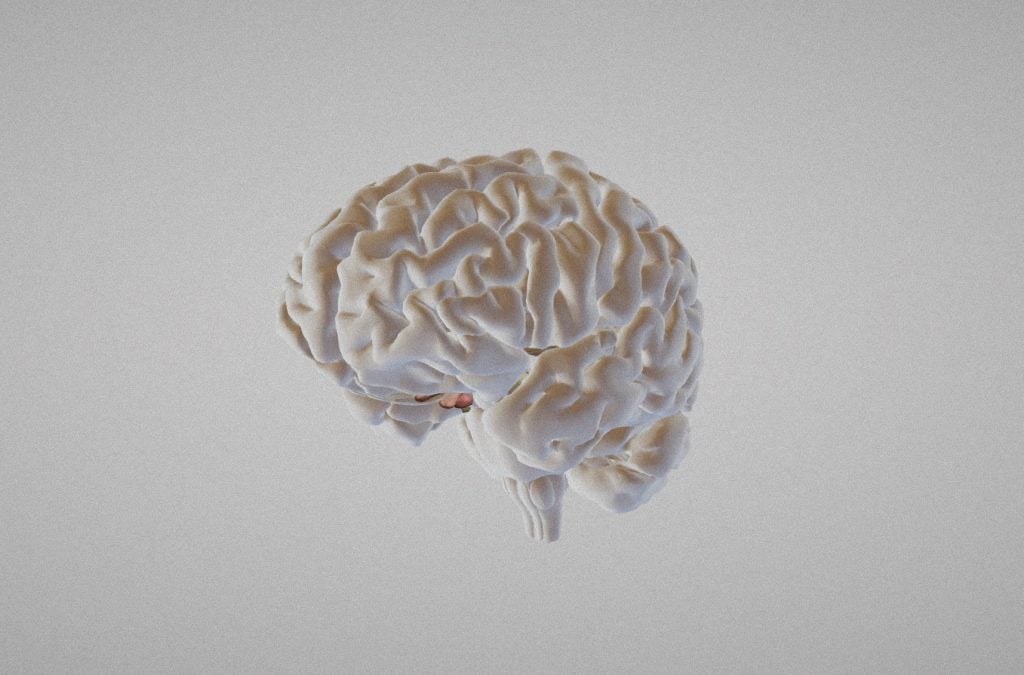
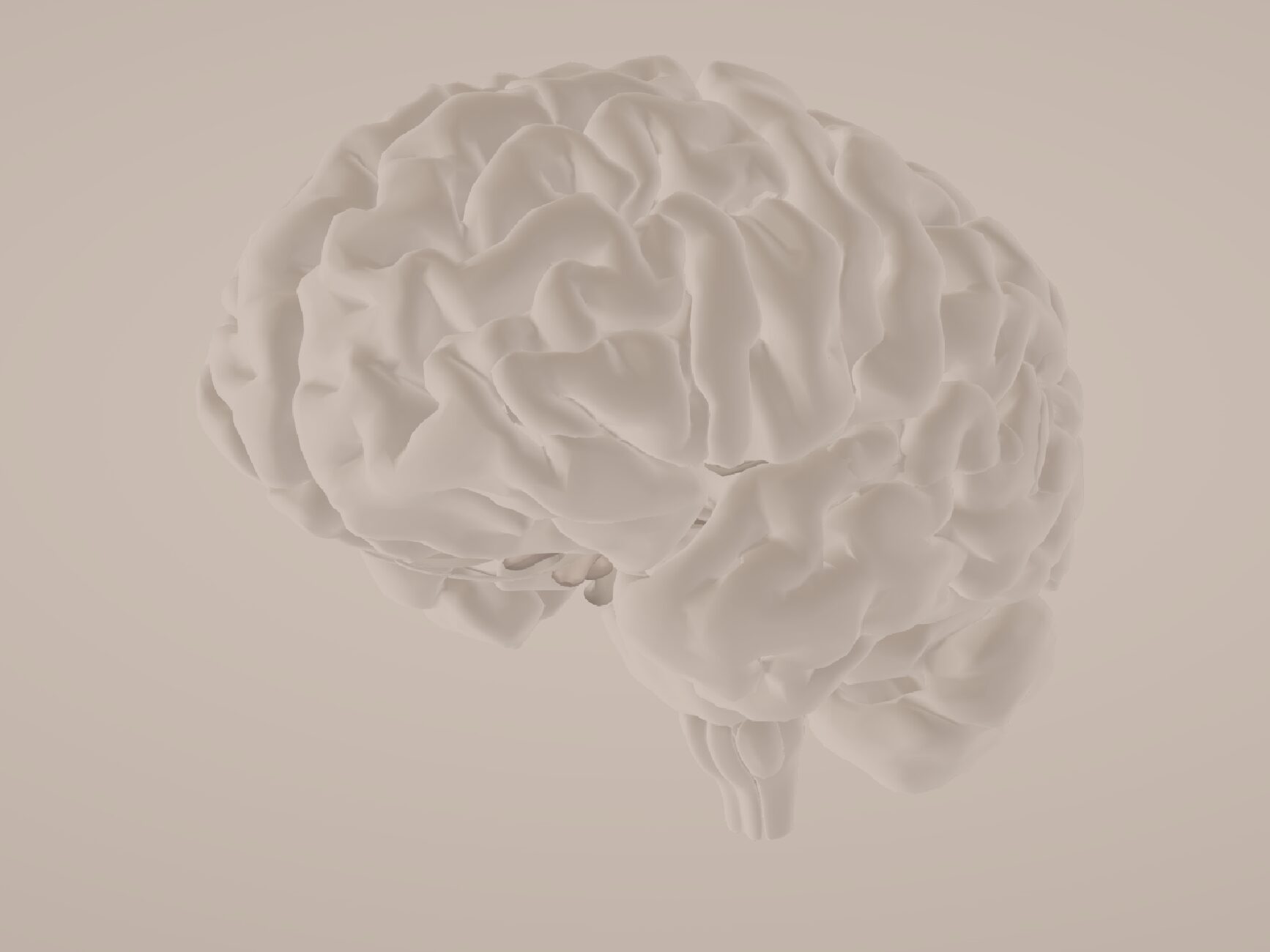
In the 3D Brain Atlas, you can explore many of the brain’s structures from a 360 degree viewpoint, make sagittal incisions through the brain, read more about individual structures, and download images for use in your own presentations.
Together with the slide decks on cellular and molecular neuroscience, regional neuroscience, and systems neuroscience, the atlas provides a visual way to connect basic neurobiological principles to the organisation of the human brain.