

In this video, Professor Dr. Milan Latas explains that comorbidity in anxiety disorders is often under-recognized in routine clinical practice, which can obscure the true clinical picture. He emphasizes the importance of systematically asking about co-occurring substance use, depression, and personality disorders to secure an accurate diagnosis and guide care. With a proper diagnostic work-up, clinicians can plan treatment for both the primary anxiety disorder and any comorbid conditions; without it, multiple concurrent diagnoses—often two or more—can complicate the plan and even undermine outcomes. The talk also outlines how deliberate treatment planning grounded in good practice improves results, and when to choose medication, psychotherapy, or an integrated approach—noting that patients with comorbidities typically benefit from comprehensive, combined treatments.
Professor Dr. Milan Latas
Belgrade University School of Medicine and Clinic for Psychiatry, Clinical Center of Serbia
Related content

Decades of twin and family research have established that anxiety disorders run in families and are meaningfully influenced by genetic factors. Family and twin studies suggest an increased recurrence risk for first degree relatives of patients with anxiety to develop any anxiety disorders.
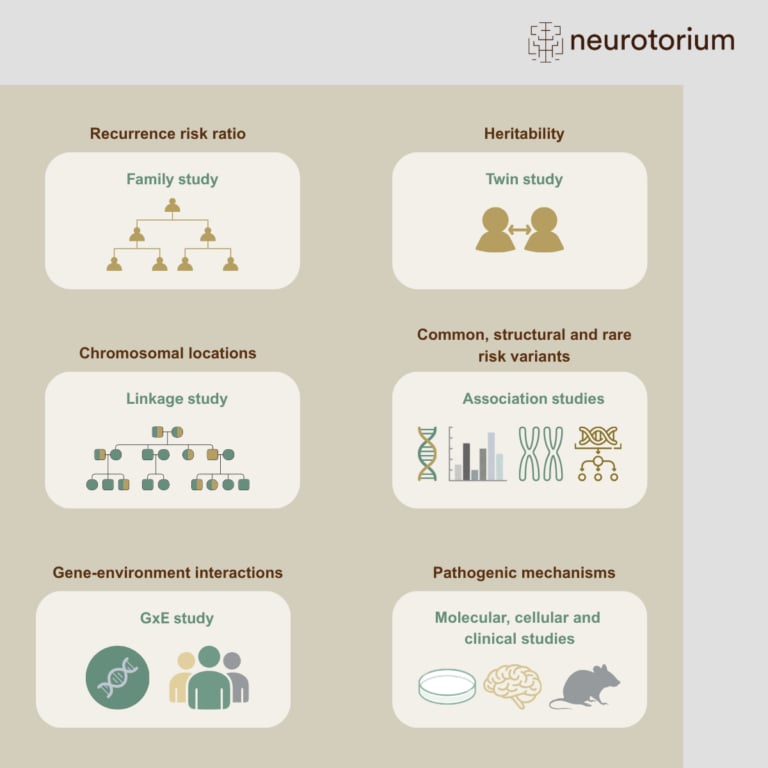
Family and twin studies estimate recurrence risk and heritability, showing that anxiety disorders aggregate in families and have a moderate genetic component.
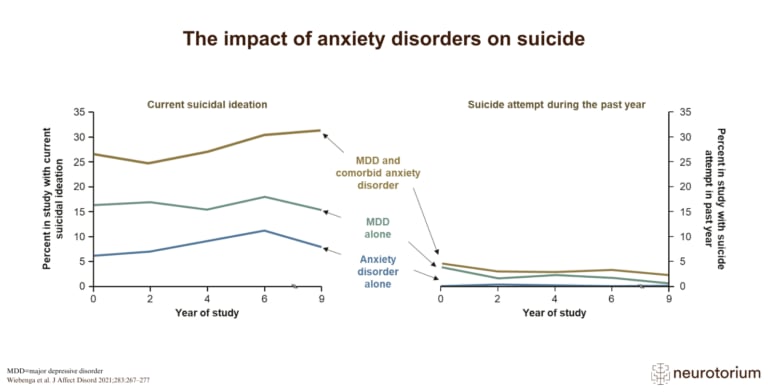
Suicidal ideation is far more common than attempts in people with anxiety or depression, especially with comorbid disorders and severe depression.