

In this video, Professor Dr. Stefan G. Hofmann discusses the effectiveness of exposure therapy and cognitive behavioral interventions in treating anxiety disorders. Exposure therapy, which involves confronting feared stimuli in a graded manner, is generally successful for fear-related issues. However, it is often insufficient on its own and can be enhanced with cognitive strategies. Cognitive interventions help individuals realize that the worst outcomes are unlikely, creating a discrepancy between expected and actual outcomes that leads to a cognitive shift. This approach is particularly effective for social anxiety disorder and panic disorder, while exposure-based strategies are more effective for specific phobias.
Professor Dr. Stefan G. Hofmann
Alexander von Humboldt Professor
LOEWE Spitzenprofessur für Translationale Klinische Psychologie
Philipps-Universität Marburg, Germany
Related content

Decades of twin and family research have established that anxiety disorders run in families and are meaningfully influenced by genetic factors. Family and twin studies suggest an increased recurrence risk for first degree relatives of patients with anxiety to develop any anxiety disorders.
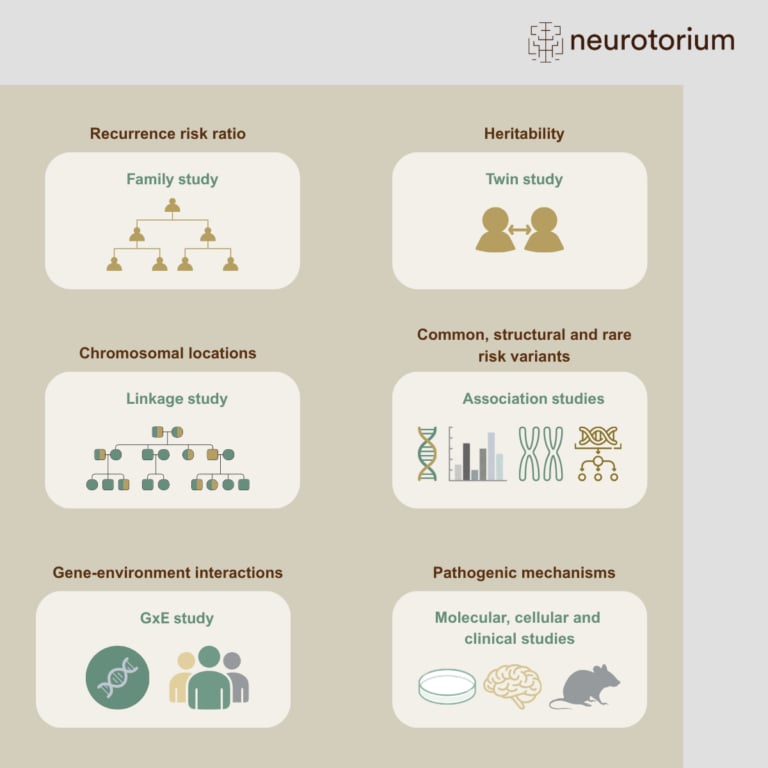
Family and twin studies estimate recurrence risk and heritability, showing that anxiety disorders aggregate in families and have a moderate genetic component.
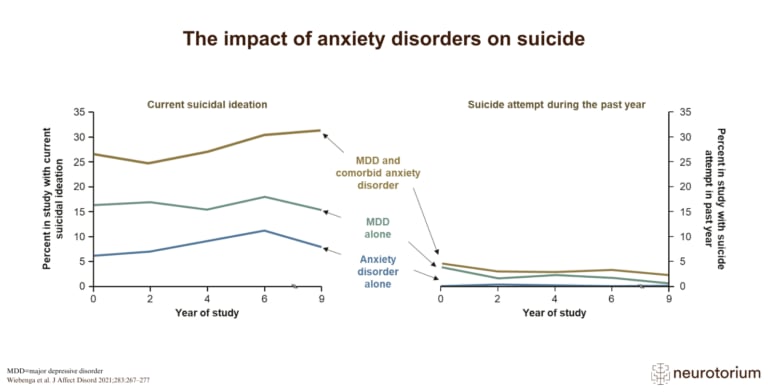
Suicidal ideation is far more common than attempts in people with anxiety or depression, especially with comorbid disorders and severe depression.