




Index for
slide deck
Introduction
Anxiety disorders - Treatment principles
Treatment for anxiety disorders – when to start?
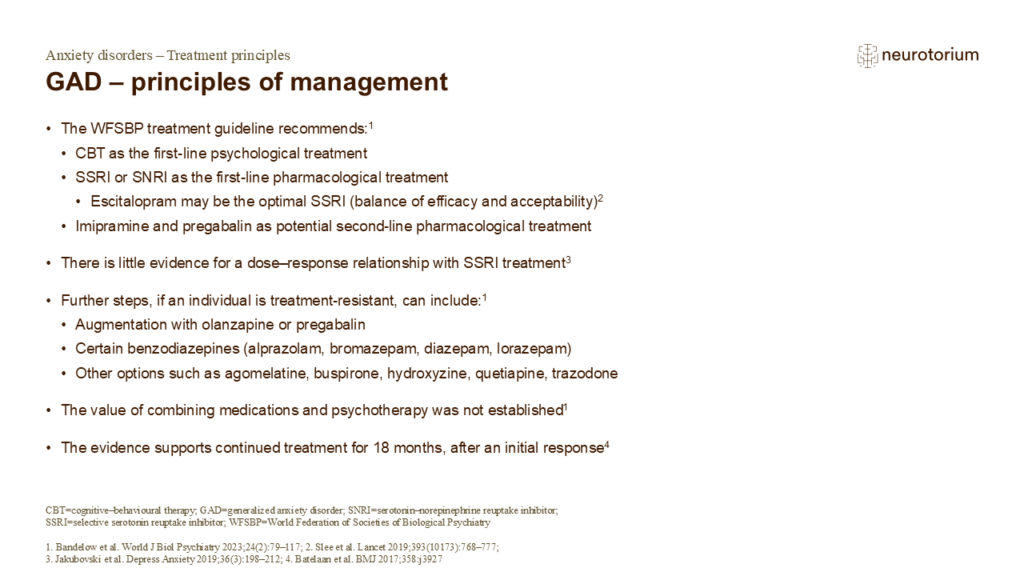
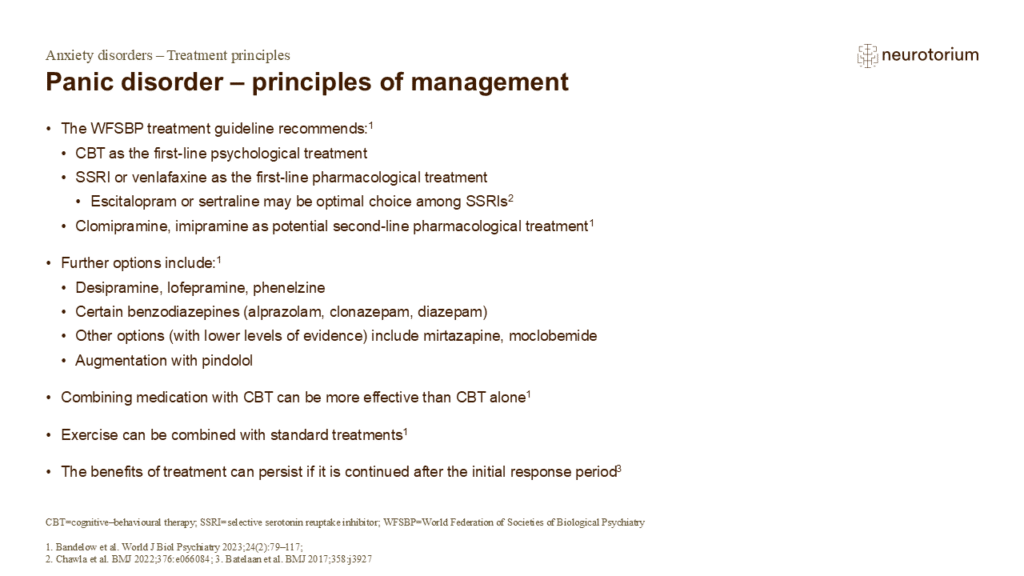
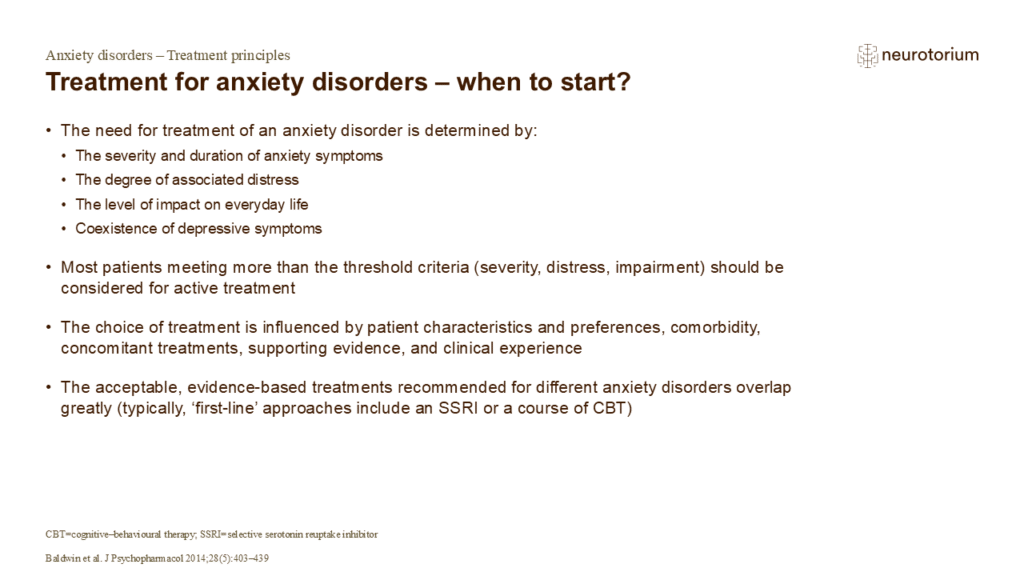
The British Association for Psychopharmacology updated its guidelines for the management of anxiety disorders in 2014.1 These recommend that in patients meeting the diagnostic criteria for an anxiety disorder they are likely to benefit from pharmacological or psychologica…
Psychotherapy for anxiety disorders
Psychotherapy for anxiety disorders
Psychotherapies in anxiety disorders
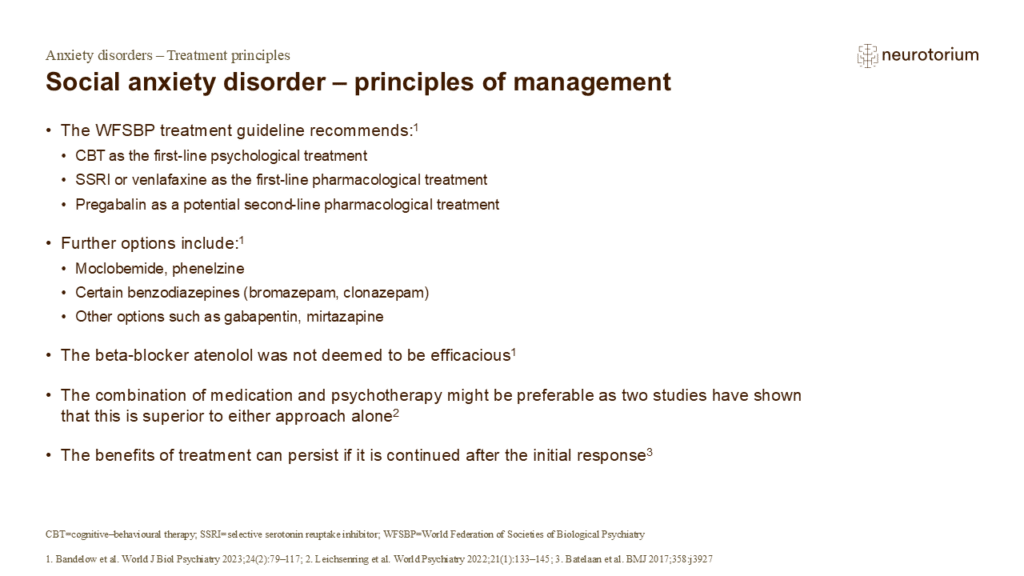
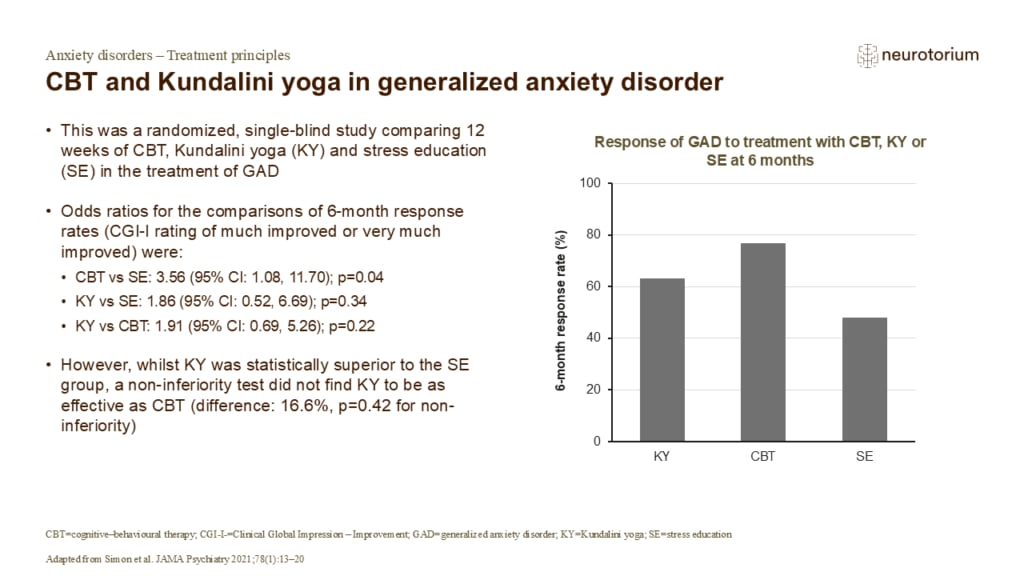
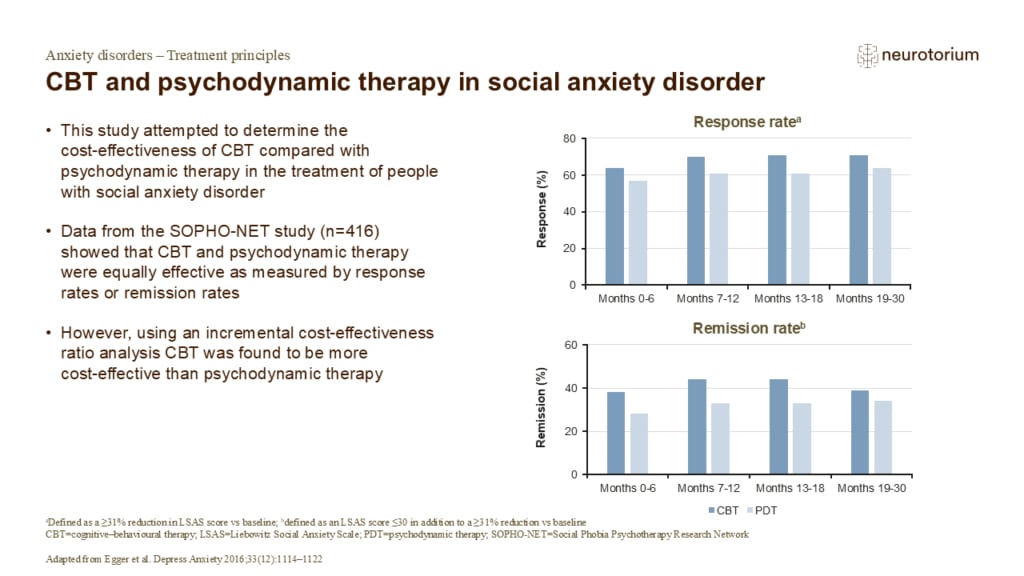
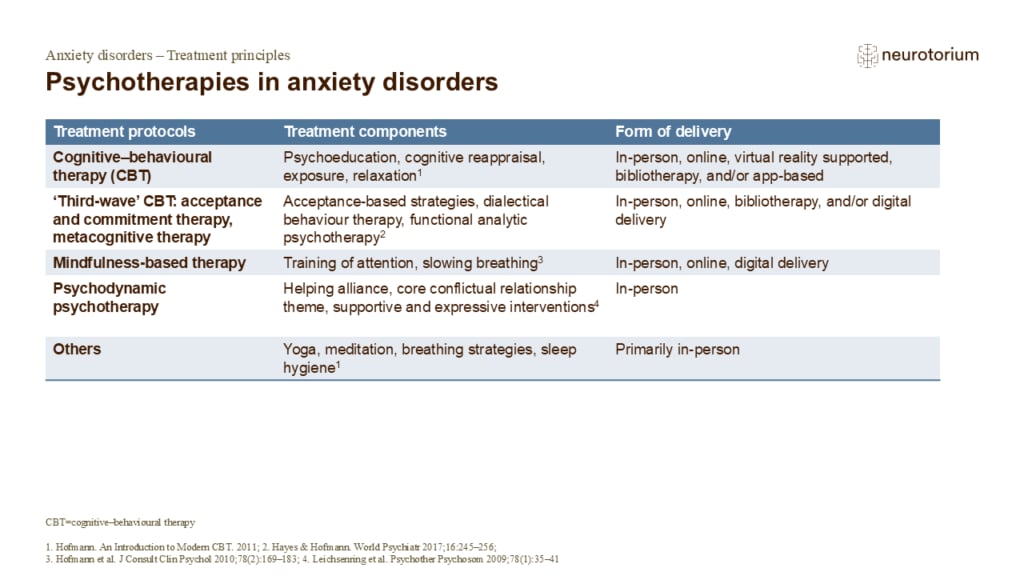
There are a number of different approaches to psychotherapy for the treatment of anxiety disorders, including CBT,1 third-wave CBT,2 mindfulness-based therapy,3 psychodynamic psychotherapy,4 and yoga.1
References:
1. Hofmann SG. An Introduction to Modern CBT. New York: Wi…
Psychotherapies in anxiety disorders
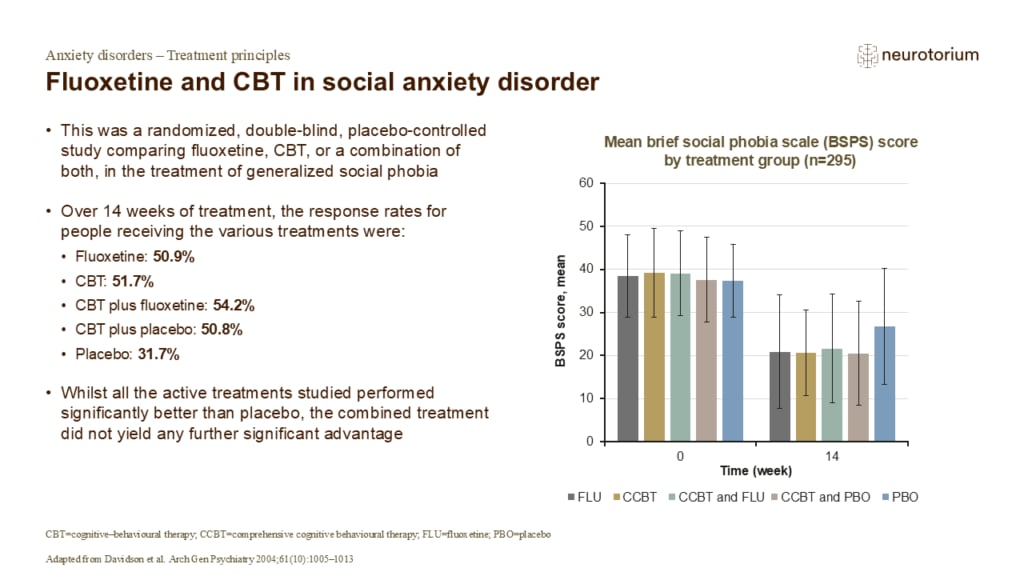
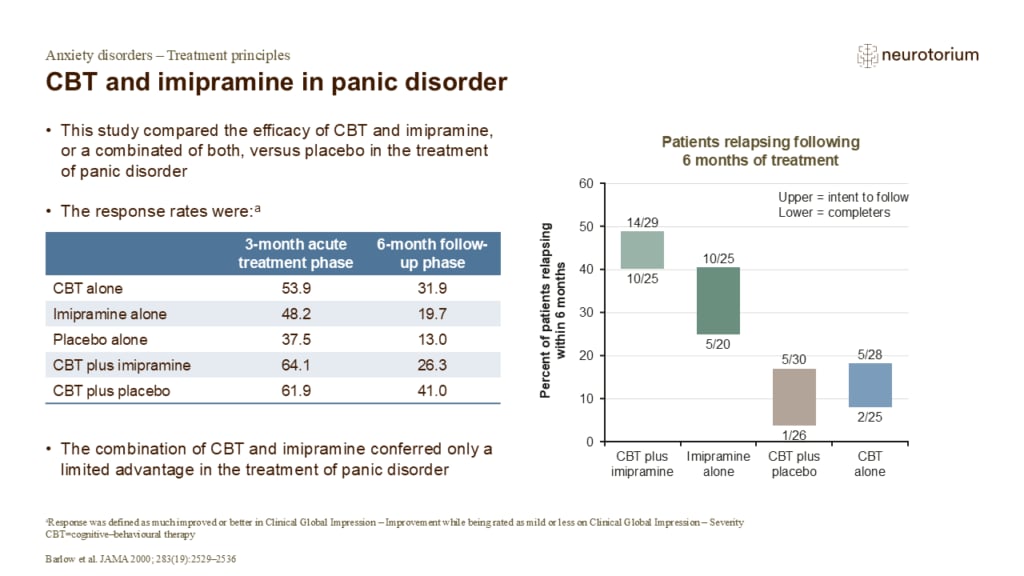
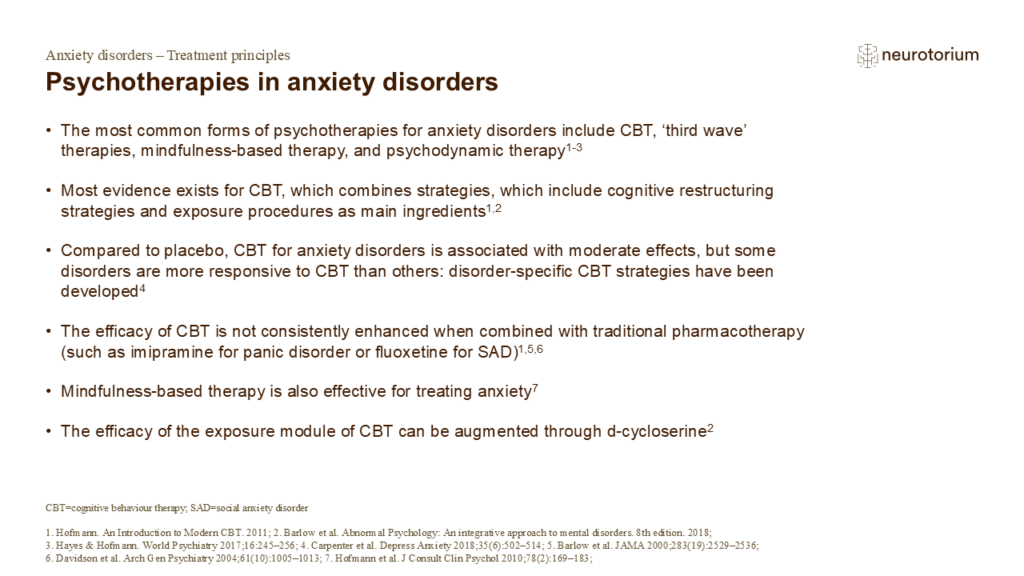
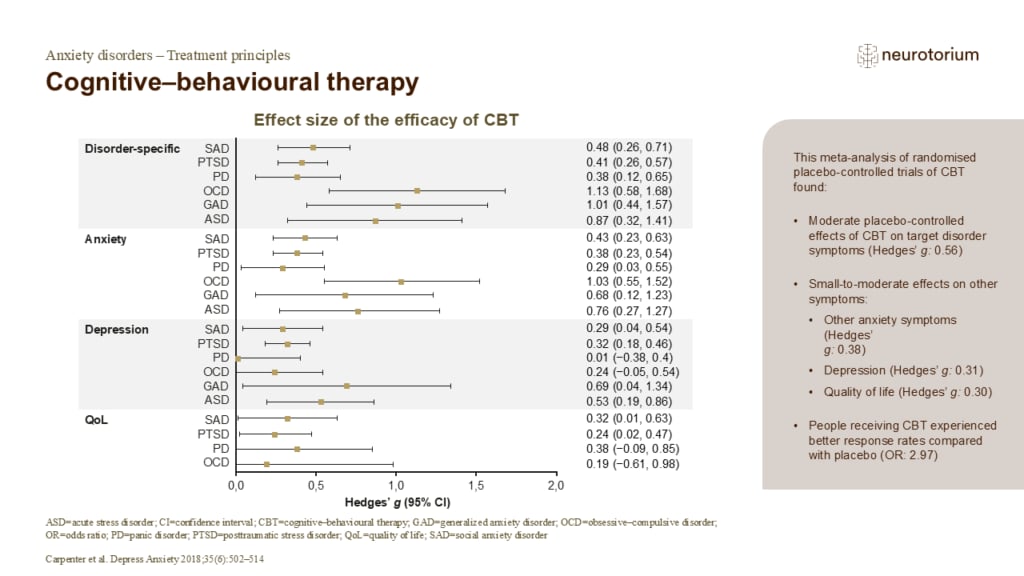
CBT has been widely-studied for the treatment of anxiety disorders, which includes cognitive restructuring and exposure.1,2 A meta-analysis has shown that effect sizes for diagnosis-specific symptoms, anxiety, depression, and quality of life differed across different type…
Cognitive–behavioural model of anxiety disorders
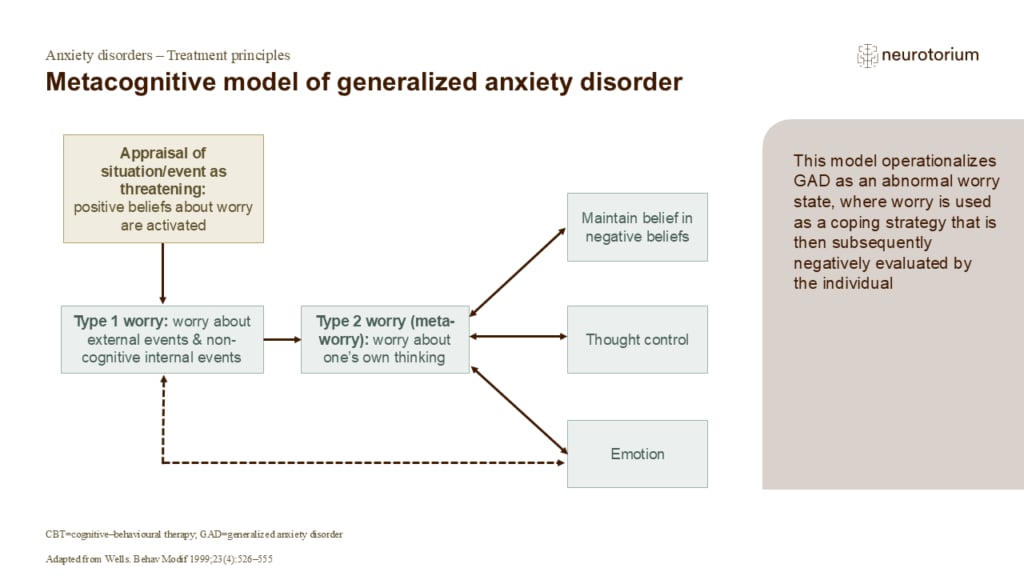
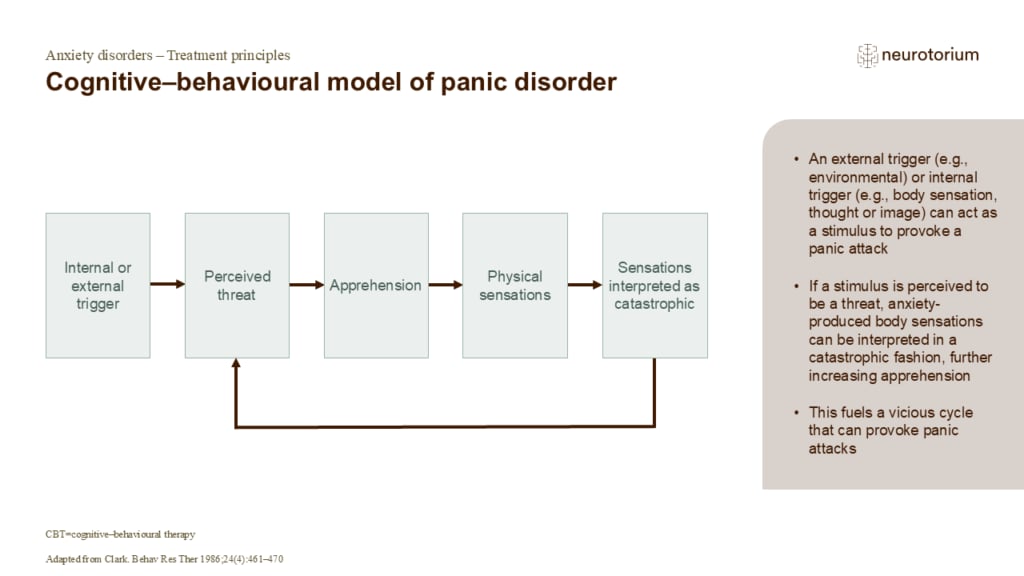
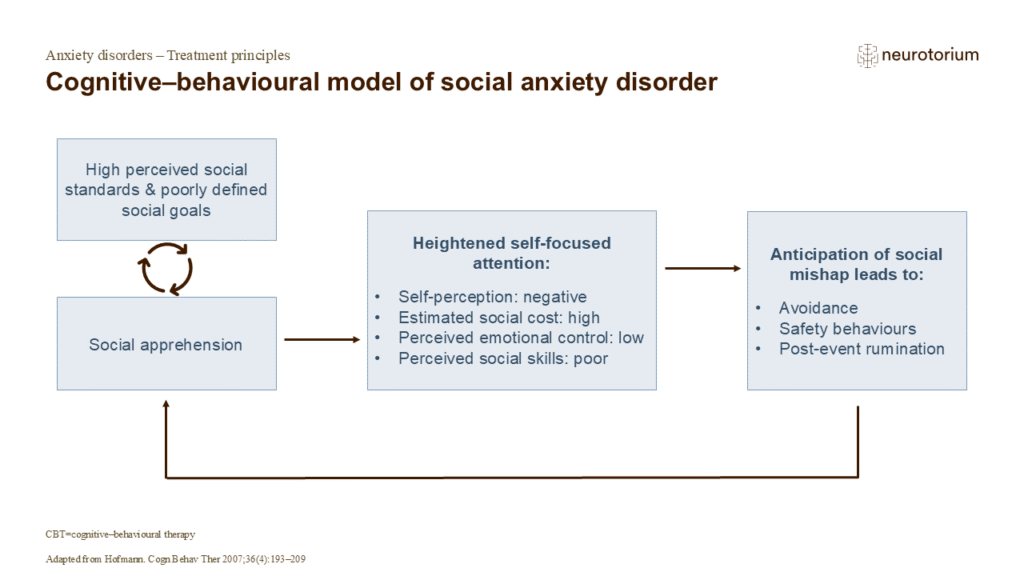
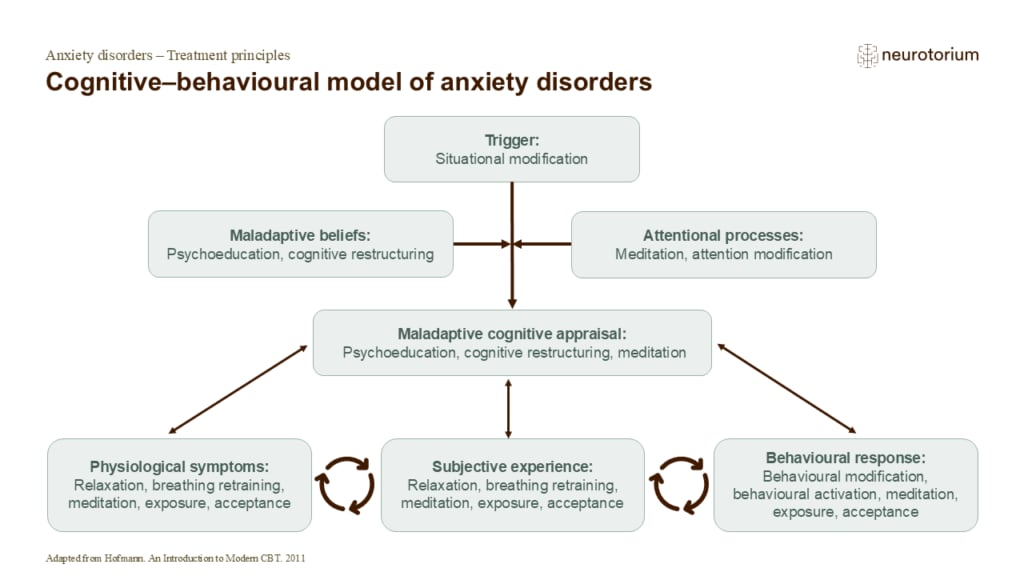
The cognitive‒behavioural model describes the maladaptive processes that can occur during mental disorders.1 Maladaptive beliefs can lead to maladaptive cognitions following exposure to certain triggers (e.g., situations, events, sensations, other thoughts).1 The triggers…
Cognitive–behavioural therapy
A meta-analysis included 41 randomized controlled trials that compared CBT with placebo.1 In 34 of these studies, the intervention was delivered on an individual basis, whereas in the remaining 7 studies CBT was delivered to groups.1 There was a mean of 11 CBT sessions ac…
Mindfulness-based therapy
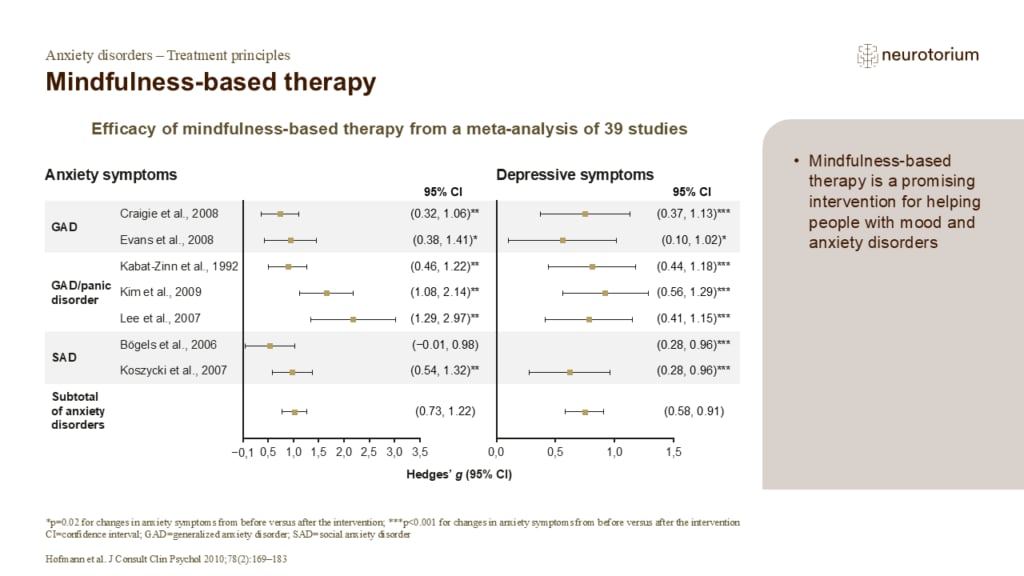
In this meta-analysis, effect size estimates suggested that mindfulness-based therapy was moderately effective for improving anxiety (Hedges’s g 0.63) and depressive symptoms (Hedges’s g 0.59) from pre- to posttreatment in the overall sample.1 In patients with anxiety d…
Pharmacotherapy for anxiety disorders

Pharmacotherapy for anxiety disorders
Selective serotonin reuptake inhibitors (SSRI)
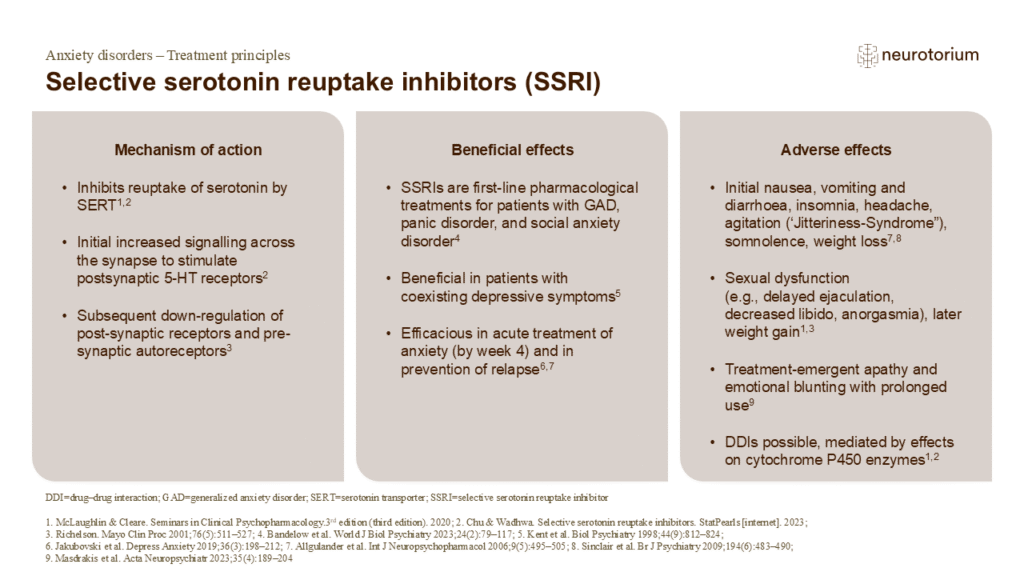
There are several SSRIs, including citalopram, escitalopram, fluoxetine, fluvoxamine, paroxetine, and sertraline.1 Although their primary mechanism of action is the inhibition of serotonin reuptake by SERT they typically have some minor effects on other neurotransmitter …
Serotonin–noradrenaline reuptake inhibitors (SNRI)
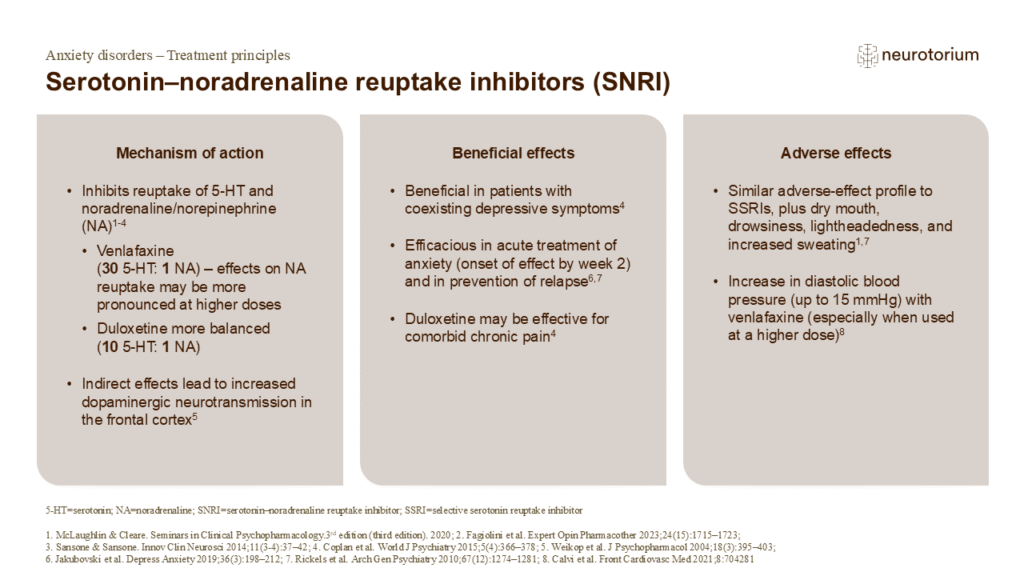
The SNRI class comprises venlafaxine and duloxetine.1 The action of venlafaxine is dose-dependent: at lower doses, it acts as an SSRI, with NA reuptake inhibition occurring at doses higher than 150 mg/day.1 However, the relative affinity of duloxetine for serotonin and NA…
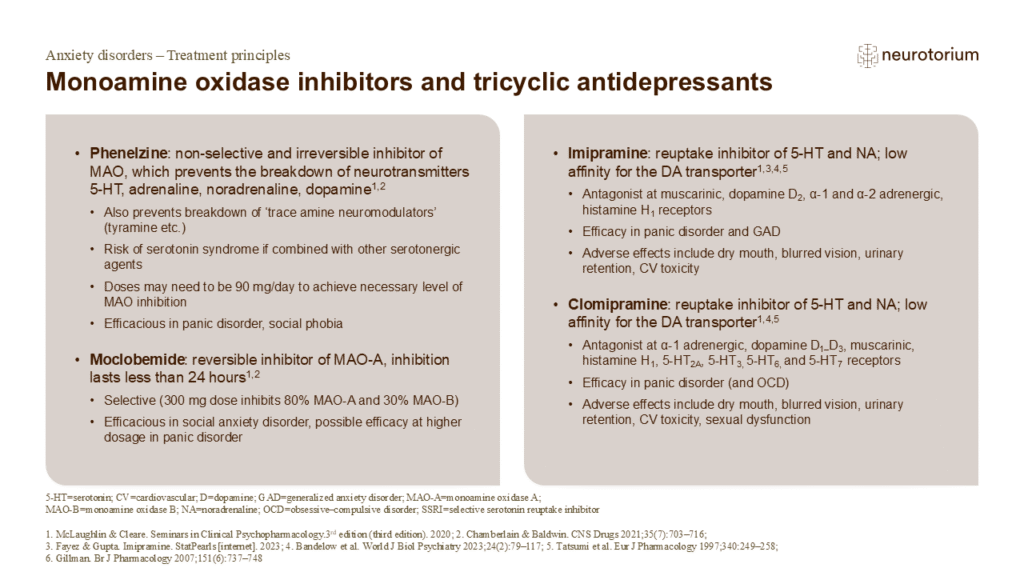
Monoamine oxidase inhibitors and tricyclic antidepressants
Phenelzine is an irreversible inhibitor of both MAO-A and MAO-B, whereas moclobemide is a reversible inhibitor of only MAO-A.1,2 Moclobemide therefore has less potential for tyramine interactions.1,2 The combination of MAOIs with other serotonergic agents such as SSRIs, …
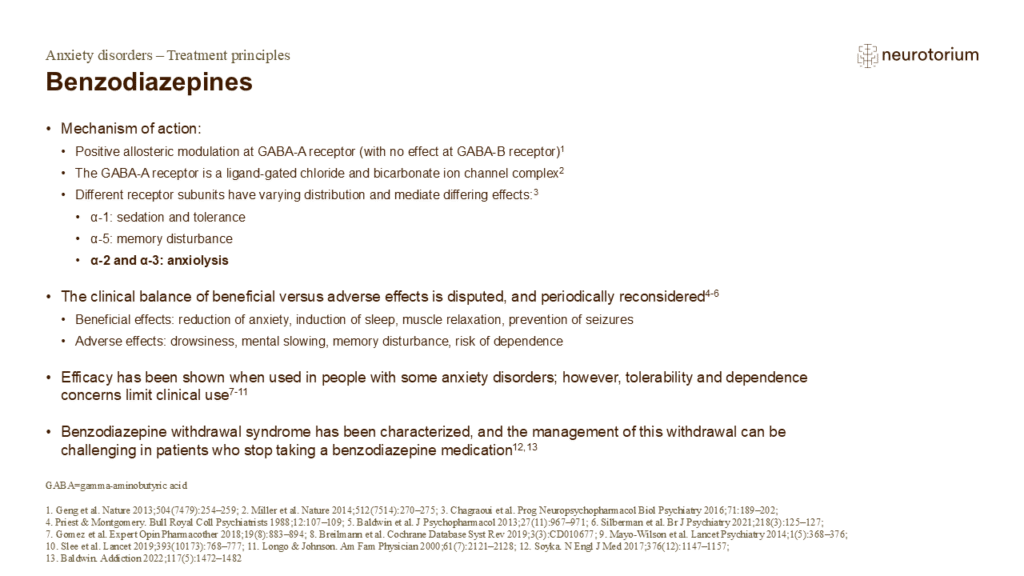
Benzodiazepines
Benzodiazepines modulate the actions of GABA via effects on GABA-A receptors, with their binding site within the ion channel complex, with a mainly synaptic location.3 It has been suggested that generalized anxiety disorder may be associated with impaired benzodiazepine r…
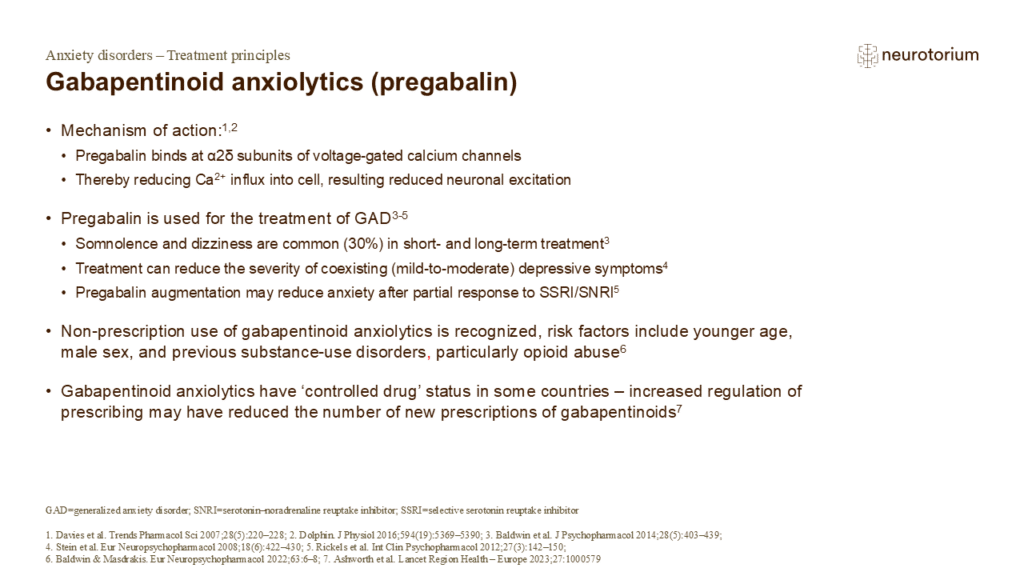
Gabapentinoid anxiolytics (pregabalin)
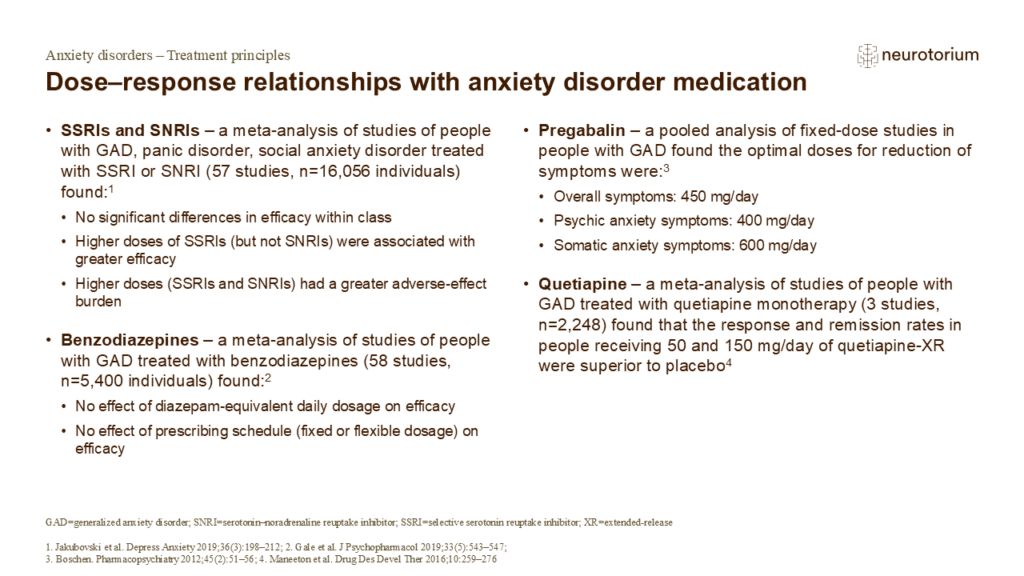
In an analysis of pooled data from 6 controlled trials evaluating pregabalin in patients with GAD, there was a significant reduction in depressive symptoms versus placebo, and these effects were apparent in patients with more prominent depressive symptoms at baseline.4 In…
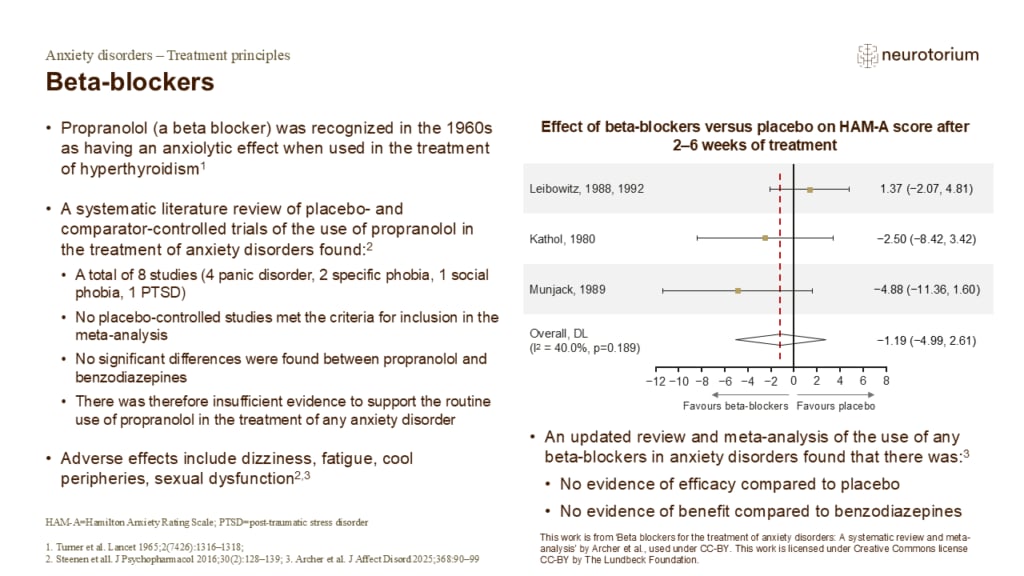
Beta-blockers
In a recent meta-analysis of 4 randomized controlled trials (2 in patients with social phobia, 1 in panic disorder/agoraphobia, and 1 with a range of anxiety disorders), when compared with placebo, there was no significant benefit of either atenolol or propranolol on HAM-…
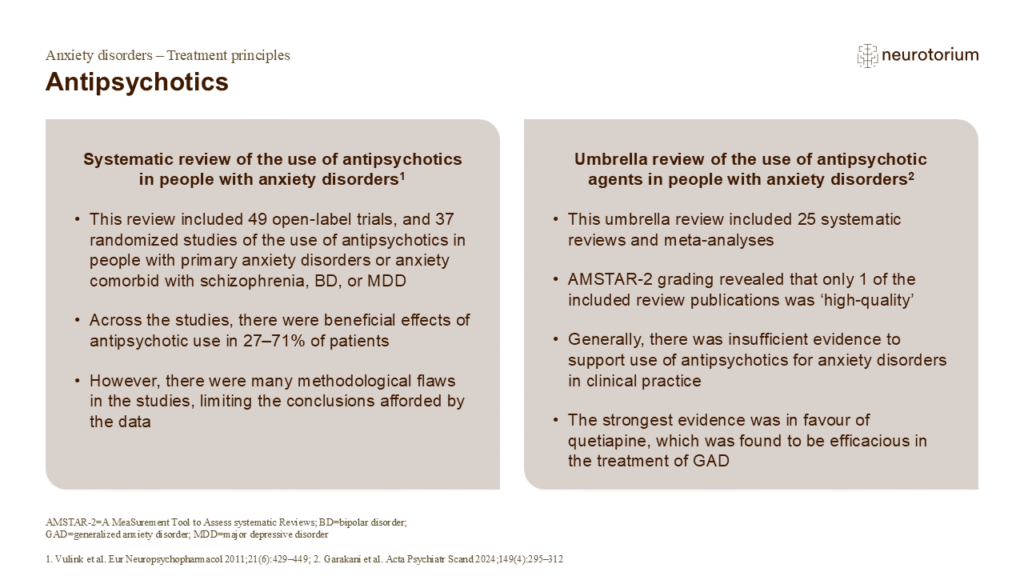
Antipsychotics
Multiple studies have assessed the effects of antipsychotics in anxiety disorders.1 In patients with GAD, 2 studies showed that olanzapine, ziprasidone, and quetiapine achieved higher response rates (as measured using the Hamilton Anxiety rating scale [HAM-A]) vs placebo.…
Related content

Decades of twin and family research have established that anxiety disorders run in families and are meaningfully influenced by genetic factors. Family and twin studies suggest an increased recurrence risk for first degree relatives of patients with anxiety to develop any anxiety disorders.
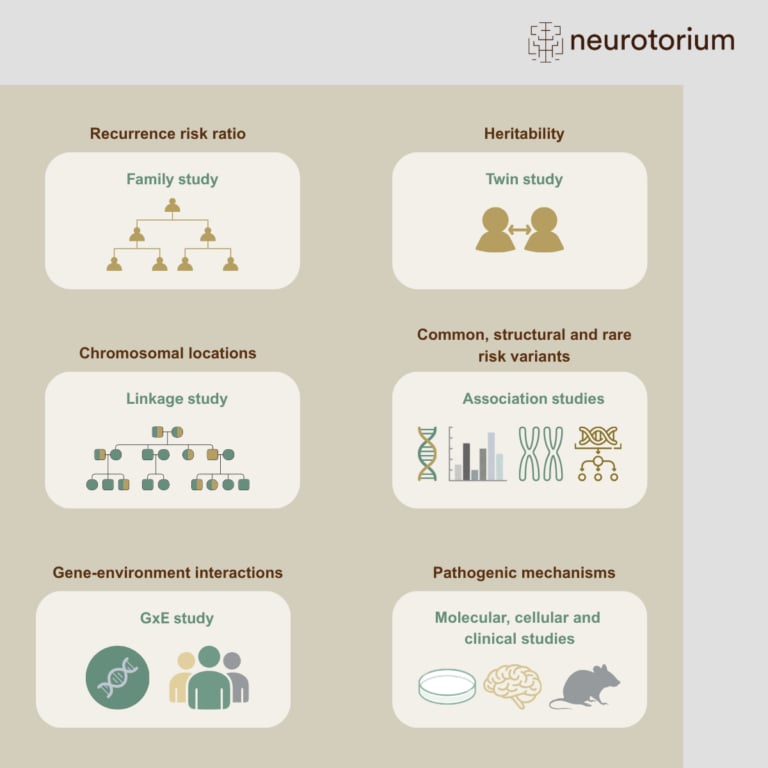
Family and twin studies estimate recurrence risk and heritability, showing that anxiety disorders aggregate in families and have a moderate genetic component.
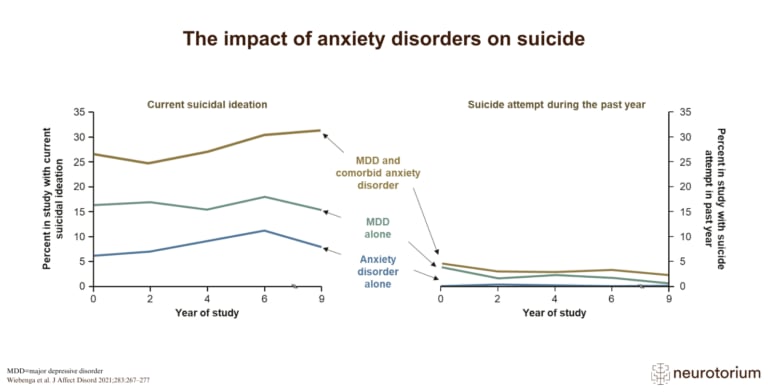
Suicidal ideation is far more common than attempts in people with anxiety or depression, especially with comorbid disorders and severe depression.