

In this video, Professor Nicolas Singewald discusses the emerging opportunities and challenges associated with pharmaceutical treatments for anxiety disorders. Anxiety disorders are the most prevalent psychiatric conditions, with no new drug approvals in decades. Current treatments, such as benzodiazepines and SSRIs/SNRIs, have significant side effects and limited efficacy, with around 1/3 of patients not responding adequately. Research is exploring novel targets like cholinergic, glutamatergic, and endocannabinoid systems, as well as psychedelics and multimodal drugs. Promising candidates include rapidly acting anxiolytics, neurosteroids, and ketamine/CBD. The focus is on enhancing neuroplasticity and developing personalized treatments based on neurobiological heterogeneity, with ongoing efforts to establish reliable biomarkers for patient subtyping.
Professor Nicolas Singewald
Department of Pharmacology & Toxicology
University of Innsbruck, Innsbruck, Austria
Related content

Decades of twin and family research have established that anxiety disorders run in families and are meaningfully influenced by genetic factors. Family and twin studies suggest an increased recurrence risk for first degree relatives of patients with anxiety to develop any anxiety disorders.
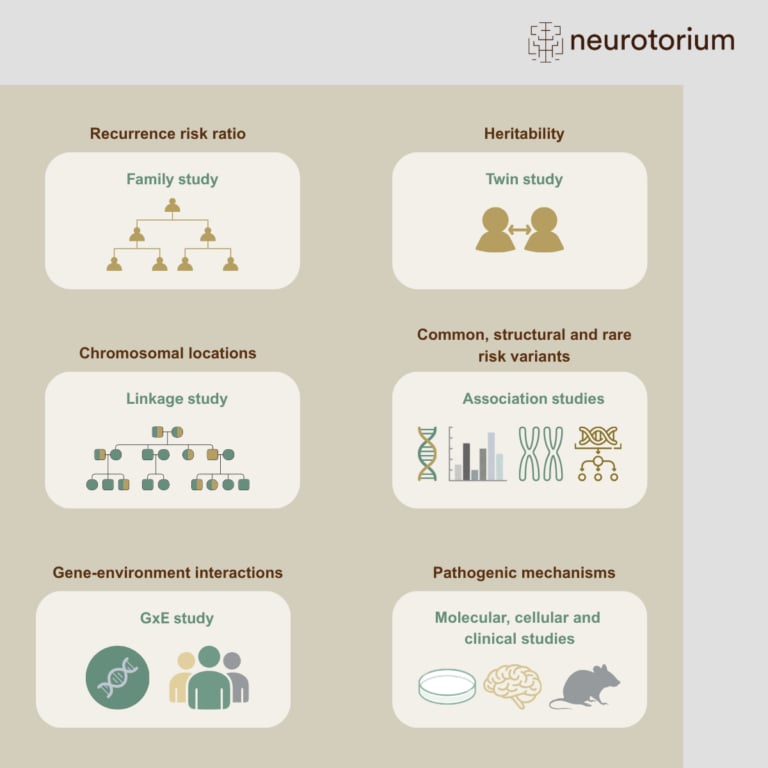
Family and twin studies estimate recurrence risk and heritability, showing that anxiety disorders aggregate in families and have a moderate genetic component.
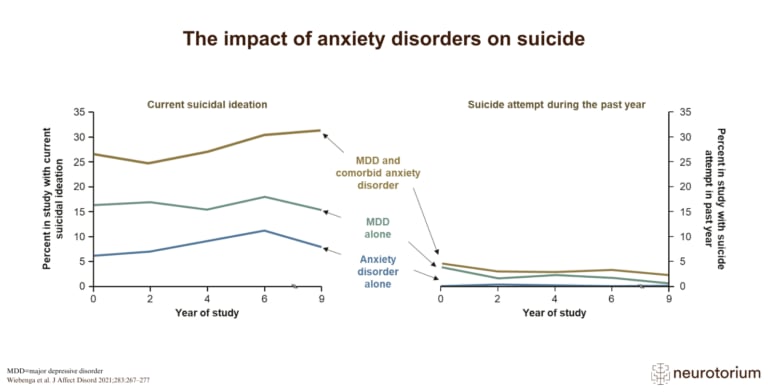
Suicidal ideation is far more common than attempts in people with anxiety or depression, especially with comorbid disorders and severe depression.