

In the video, Professor Dr. Brenda Penninx highlights a significant increase in the prevalence of anxiety disorders, with a 50% rise over the last decade, affecting about 10% of the population. This trend is observed in both psychiatric epidemiological studies and medical healthcare data, particularly among younger adults and adolescents. Anxiety disorders have a substantial impact on the burden of disease, ranking among the top 10 disorders by WHO, due to their extensive disability effects on work, social, and overall functioning. The early onset of these disorders can lead to a lifelong burden, emphasizing the need for concern and action.

Related content

Decades of twin and family research have established that anxiety disorders run in families and are meaningfully influenced by genetic factors. Family and twin studies suggest an increased recurrence risk for first degree relatives of patients with anxiety to develop any anxiety disorders.
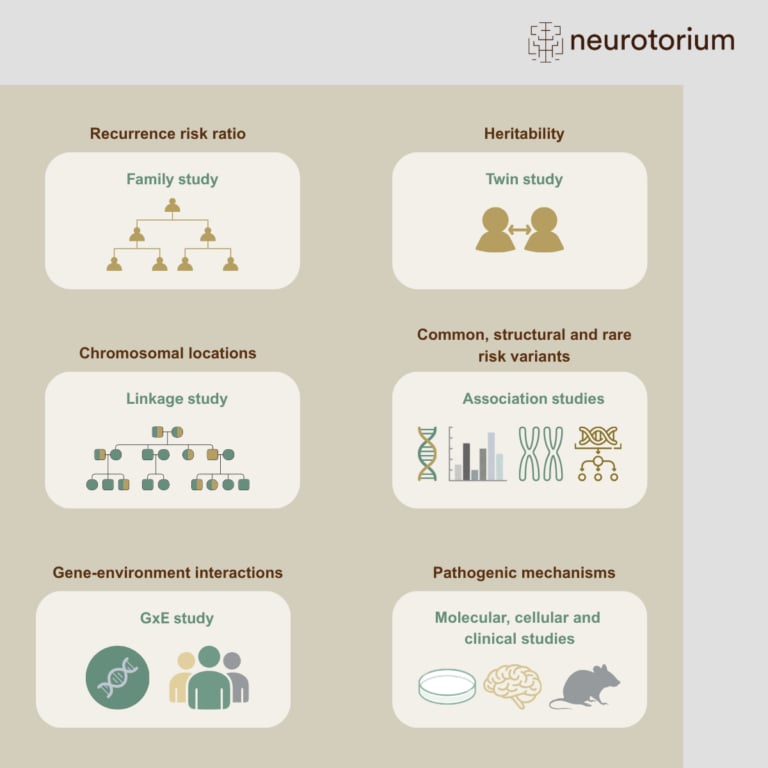
Family and twin studies estimate recurrence risk and heritability, showing that anxiety disorders aggregate in families and have a moderate genetic component.
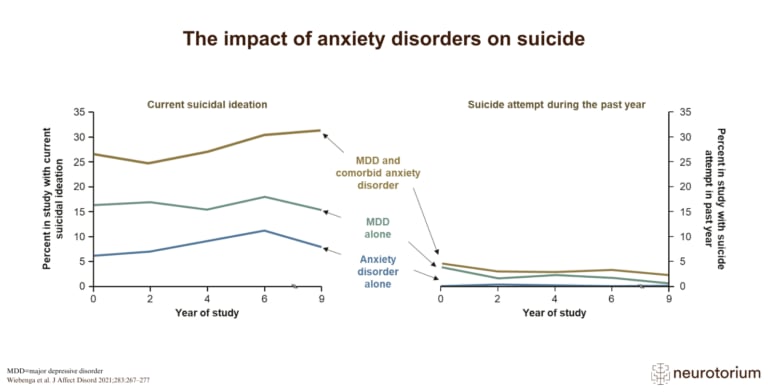
Suicidal ideation is far more common than attempts in people with anxiety or depression, especially with comorbid disorders and severe depression.