

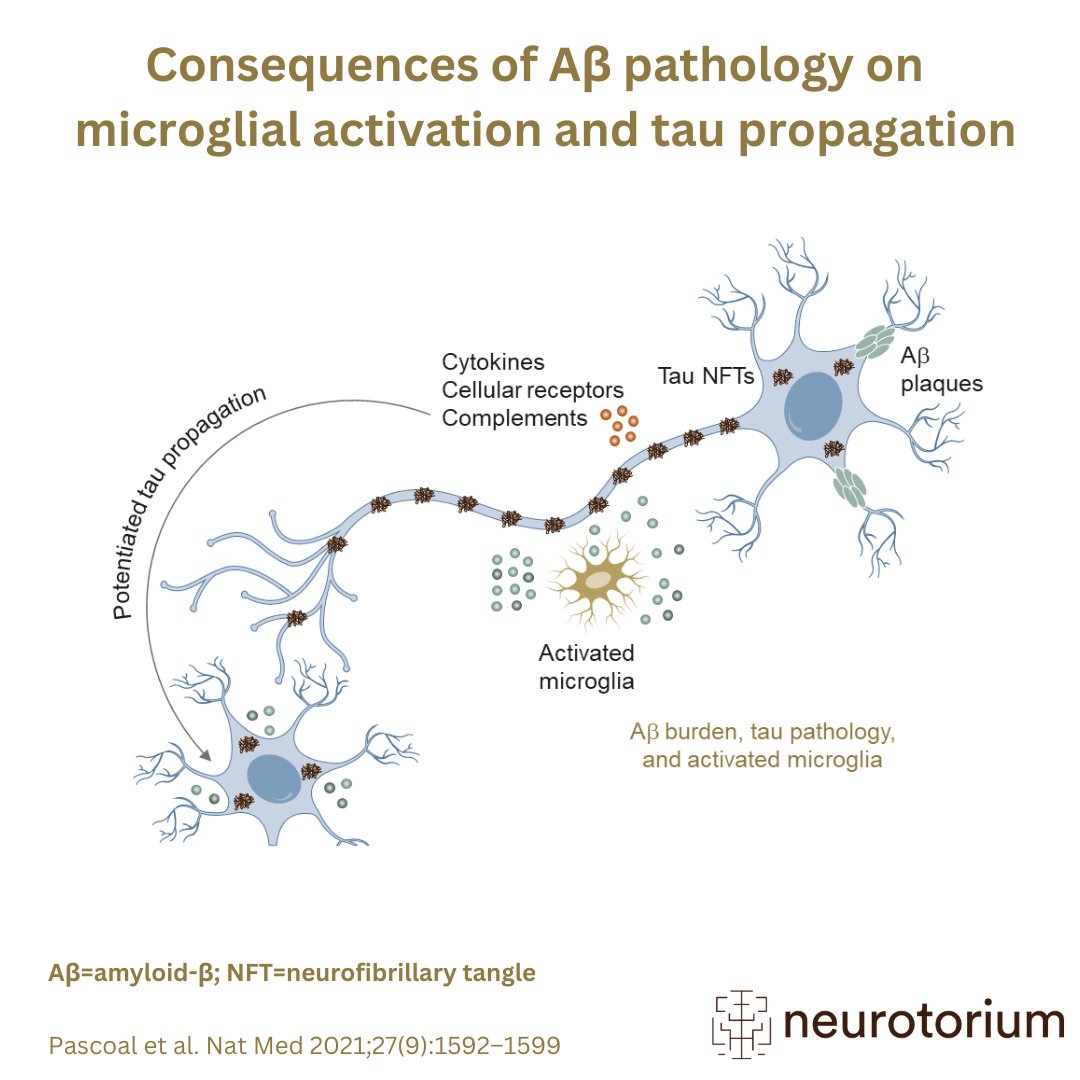
Microglial cells are activated by Aß deposits, which may initially appear as a protective phenotype. Continuation of Aß deposition reduces the efficiency of microglial cells, which leads to neuroinflammation. The colocalization of Aβ, tau, and activated microglia in the brain potentiates tau propagation. This suggests that Aβ and microglial activations are two partially independent processes that converge and lead to neocortical tau pathology. The majority of studies that have been carried out in vitro and in murine models of ageing and AD suggest that neuroinflammation is a key characteristic of AD aetiology. However, human studies of the mechanisms of neuroinflammation are limited due to the early stage of development, or lack of clinical validation of relevant biomarkers.
Read more about neuroinflammation in Alzheimer’s disease
Related content
Advances in blood biomarkers are transforming the diagnosis and prognosis of Alzheimer’s disease, helping to assess pathology, disease progression, and co-existing pathologies.
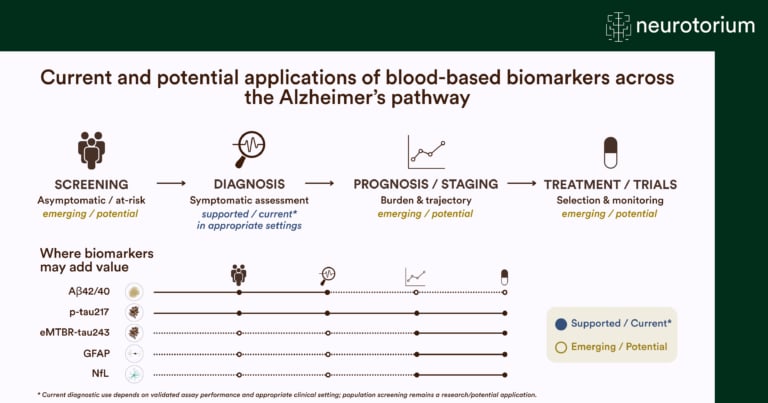
Overview of how blood-based biomarkers may support screening, diagnosis, staging, prognosis, and treatment decisions across the Alzheimer’s disease continuum.
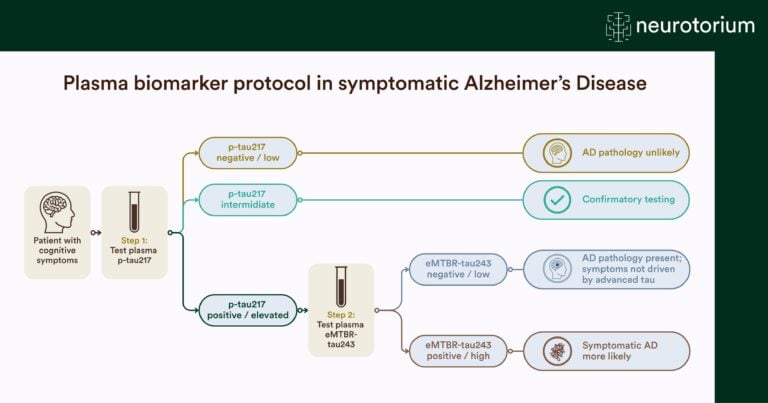
Overview of a plasma biomarker testing pathway for symptomatic Alzheimer’s disease, using p-tau217 and eMTBR-tau243 to guide diagnostic assessment and identify underlying pathology.