

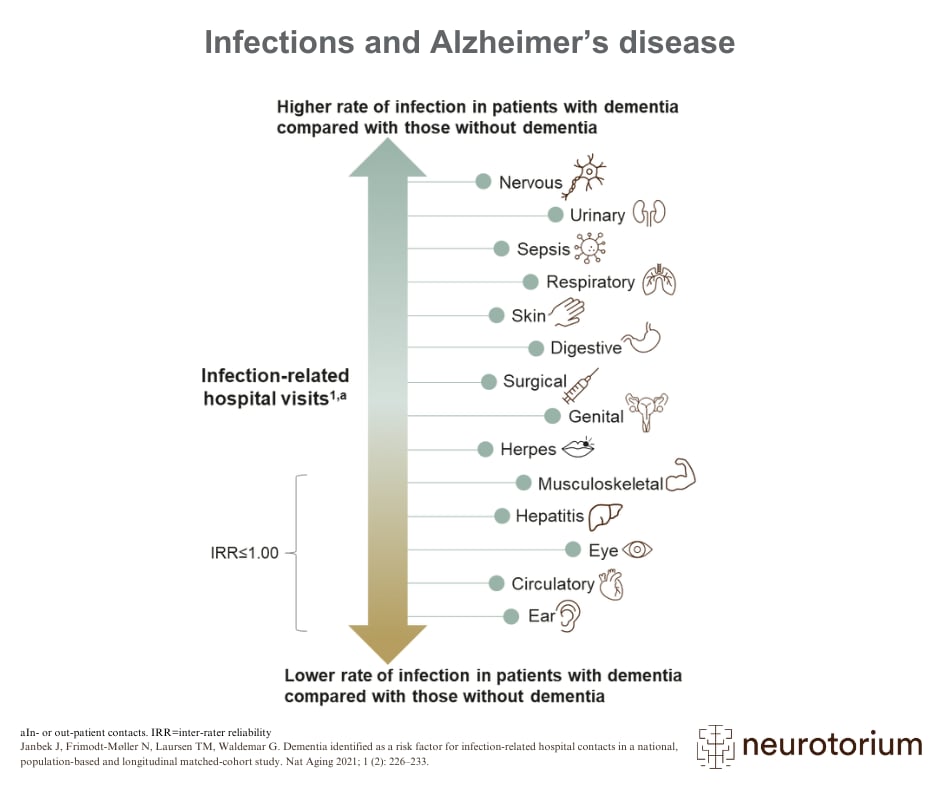
Infectious diseases are suggested to increase the long-term risk of dementia, including AD.1 This is supported by research of hospital-treated infections, with evidence that infections occurring more than 10 years before the onset of dementia may also be associated with excess risk.1 Of hospital-treated infections, infections of the central nervous system (CNS) are associated with the highest risk.1 However, increased risk of dementia is not limited to CNS infections.1
Learn more about infections and alzheimer’s disease
Related content

Advances in blood biomarkers are transforming the diagnosis and prognosis of Alzheimer’s disease, helping to assess pathology, disease progression, and co-existing pathologies.
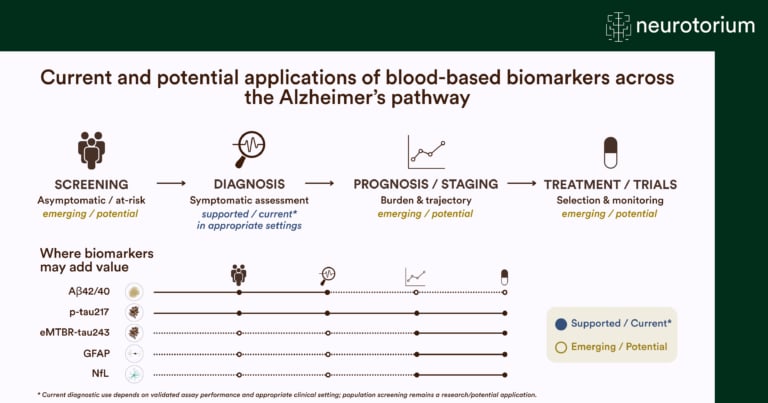
Overview of how blood-based biomarkers may support screening, diagnosis, staging, prognosis, and treatment decisions across the Alzheimer’s disease continuum.
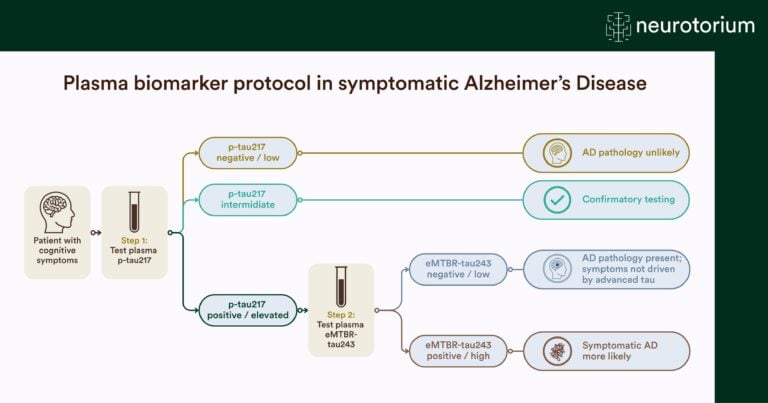
Overview of a plasma biomarker testing pathway for symptomatic Alzheimer’s disease, using p-tau217 and eMTBR-tau243 to guide diagnostic assessment and identify underlying pathology.