

Despite delirium being a common occurrence in hospitals, it is under-recognized and under-diagnosed in clinical practice.1
To learn more about the principles of care established by ‘The Future Hospital Commission’ applied to improving delirium care delivered to patients, go to the slide deck on post-stroke delirium.
“Ultimately, implementing the recommendations from the Future Hospital Commission report will improve delirium care in hospital, as well as reducing the economic and health burden of this vulnerable, but often invisible group of patients”1
Related content
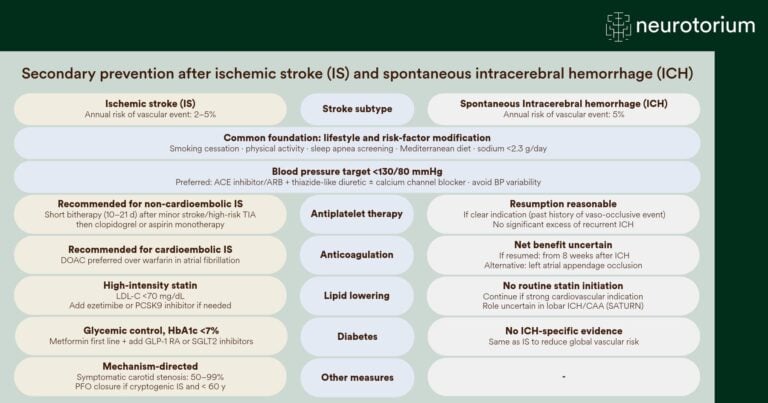
Secondary prevention strategies after ischemic stroke and intracerebral hemorrhage, including risk-factor management and pharmacological treatment.

A narrative review of secondary prevention after stroke, emphasizing the need for an individualized approach based on stroke mechanism, vascular risk, and lifestyle profile, and the competing risks of ischemic and hemorrhagic events.
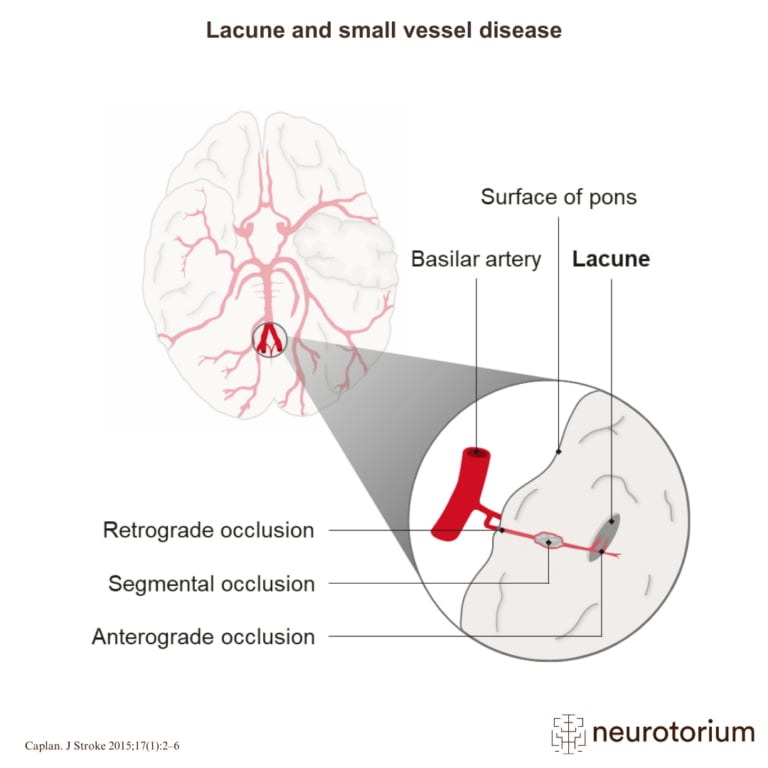
Lacunar infarctions are small subcortical infarcts, <1.5 cm in diameter, within deep areas of the brain. Roughly 1 in 5 strokes are estimated to be lacunar strokes.