




Secondary Prevention After Ischemic Stroke
Ischemic stroke survivors face a high subsequent vascular risk
Survivors of ischemic stroke (IS) remain at substantial risk of recurrent vascular events, including IS and myocardial infarction. Recent studies report recurrent IS rates of 3.6–6.0% at 1 year and 9.5–16.0% at 5 years, while 1-year myocardial infarction rates range from 0.4% to 2.6%.1,2 Secondary prevention is therefore critical to reduce recurrent stroke and major cardiovascular events.
Lifestyle and Risk-Factor Modification
Smoking, alcohol use, excessive sodium intake, obesity, and physical inactivity are major, modifiable determinants of recurrence. Secondary prevention should target smoking cessation, physical activity, weight management, and dietary modification, though sustained behavioral change remains difficult to achieve. Evidence supports specific interventions. In SAMMPRIS, moderate-to-high-intensity activity ≥20 minutes on ≥2 days/week independently reduced recurrent cardiovascular events by 40%.3,4 PREDIMED demonstrated that a Mediterranean diet enriched with olive oil or nuts lowered stroke risk versus control (1.6% vs 3.0%) in high-risk participants, consistent with AHA guidance favoring this dietary pattern and sodium restriction to <2.3 g/day.5 Structured disease-management programs offer a complementary approach: in STROKE-CARD (n=2149), regular follow-up and web-based education reduced major cardiovascular events at 12 months (5.4% vs 8.3%; HR 0.63; P=0.007) and improved quality of life, though recurrent stroke/TIA rates were unchanged.6 These findings support embedding structured, multidisciplinary lifestyle interventions into secondary prevention to translate evidence into durable behavioral change.
These findings support embedding structured, multidisciplinary lifestyle interventions into secondary prevention to translate evidence into durable behavioral change.
Antithrombotic Therapy
Antiplatelet monotherapy with aspirin or clopidogrel remains standard for long-term noncardioembolic secondary prevention.7 Clopidogrel provides a modest absolute benefit over aspirin, while aspirin-dipyridamole and clopidogrel have broadly similar efficacy. Short-term dual antiplatelet therapy (DAPT) with aspirin and clopidogrel reduces early recurrence after minor noncardioembolic stroke or high-risk TIA (ABCD2 ≥4). POINT (90 days, initiated within 12 hours) reduced major ischemic events versus aspirin alone (5.0% vs 6.5%; P=0.02), while CHANCE (21-day DAPT followed by aspirin, initiated within 24 hours) reduced 90-day stroke recurrence (8.2% vs 11.7%; P<0.001). Pooled analyses indicate that net benefit is concentrated within the first 10–21 days, with longer treatment increasing major bleeding, supporting a limited early DAPT course.8 THALES similarly showed that ticagrelor plus aspirin reduced 90-day stroke or death versus aspirin alone (5.5% vs 6.6%; P=0.02), but increased severe or fatal bleeding.9 In CHANCE-2, among CYP2C19 loss-of-function carriers, ticagrelor plus aspirin reduced 90-day stroke versus clopidogrel plus aspirin (6.0% vs 7.6%; P=0.008), supporting ticagrelor-based therapy in selected patients with impaired clopidogrel response.10 After the early high-risk period, antiplatelet monotherapy remains the standard for long-term prevention.
Anticoagulation. Antiplatelet therapy is inappropriate for stroke patients requiring anticoagulation, particularly those with atrial fibrillation. Direct oral anticoagulants (DOACs) are preferred over warfarin in most patients because of a substantially lower risk of intracranial hemorrhage and comparable efficacy. Timing of initiation after IS can now be individualized toward earlier treatment. The CATALYST individual patient data meta-analysis of 4 trials (n=5441) showed that DOAC initiation within 4 days reduced the 30-day composite of recurrent ischemic stroke, symptomatic ICH, or unclassified stroke (2.1% versus 3.0%; OR 0.70; 95% CI 0.50–0.98), driven by fewer IS (OR 0.66; 95% CI 0.45–0.96), without excess symptomatic ICH (0.4% in both groups).11 Accordingly, the 2026 AHA/ASA guideline considers early anticoagulation reasonable in carefully selected patients.7 Timing should remain individualized to infarct size, hemorrhagic transformation, and clinical severity. Recurrent ischemic stroke despite anticoagulation occurs in approximately 2-4% per year and reflects different reasons, including inadequate anticoagulant dosing or adherence, competing noncardioembolic disease and neoplasia-related prothrombotic state.12 Addition of antiplatelet therapy is rarely recommended and should be reserved for compelling concomitant indications. Left atrial appendage occlusion may be considered in selected patients with a contraindication to long-term anticoagulation, guided by multidisciplinary input.
Timing of initiation after IS can now be individualized toward earlier treatment.
Blood Pressure
Intensive blood pressure (BP) lowering within the first days following IS onset does not improve vital, nor functional outcomes and might impair recovery when collateral bood flow is compromised. However, rigorous BP control is a cornerstone of secondary prevention. A meta-analysis of 14 trials (n=42 736) showed that intensive BP lowering reduced recurrent stroke by 27% and cardiovascular death by 15%, with the lowest event rates in patients with systolic BP <130 mmHg.13 Accordingly, AHA/ASA and ESO guidelines recommend a target <130/80 mmHg for most stroke survivors.7,14
A meta-analysis of 14 trials (n=42 736) showed that intensive BP lowering reduced recurrent stroke by 27%
Lipid Lowering
High-intensity statin therapy is established in atherosclerotic stroke. In SPARCL, atorvastatin 80 mg reduced recurrent stroke by 16% (adjusted HR 0.84; P=0.03) and major cardiovascular events by 20% (HR 0.80; P=0.002) over 4.9 years, despite a higher hemorrhagic stroke risk (HR 1.66; 95% CI 1.08–2.55).15 Treat Stroke to Target (n=2860; atherosclerotic stroke/TIA) subsequently showed that targeting LDL <70 mg/dL reduced cardiovascular events, predominantly ischemic stroke, versus 90–110 mg/dL (8.5% vs 10.9%).16 High-intensity statin therapy is therefore recommended, with ezetimibe or a PCSK9 inhibitor added when LDL-C remains above target or statins are not tolerated.
Diabetes
Type 2 diabetes affects approximately 30% of patients with IS and substantially increases recurrent vascular risk. An HbA1c target around <7% is recommended for most patients. Metformin is typically the first-line agent.7 Added to metformin, glucagon-like peptide-1 (GLP-1) receptor agonists reduced nonfatal and any stroke by 16% in a meta-analysis of eight randomized, placebo-controlled trials (n=56251).17 Sodium–glucose cotransporter 2 (SGLT2) inhibitor evidence is strongest for renal and heart-failure outcomes.
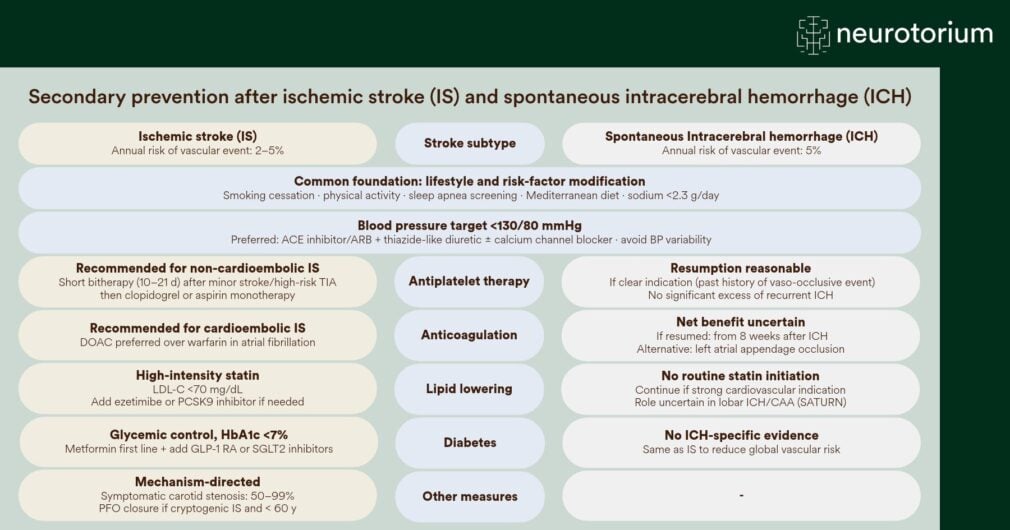
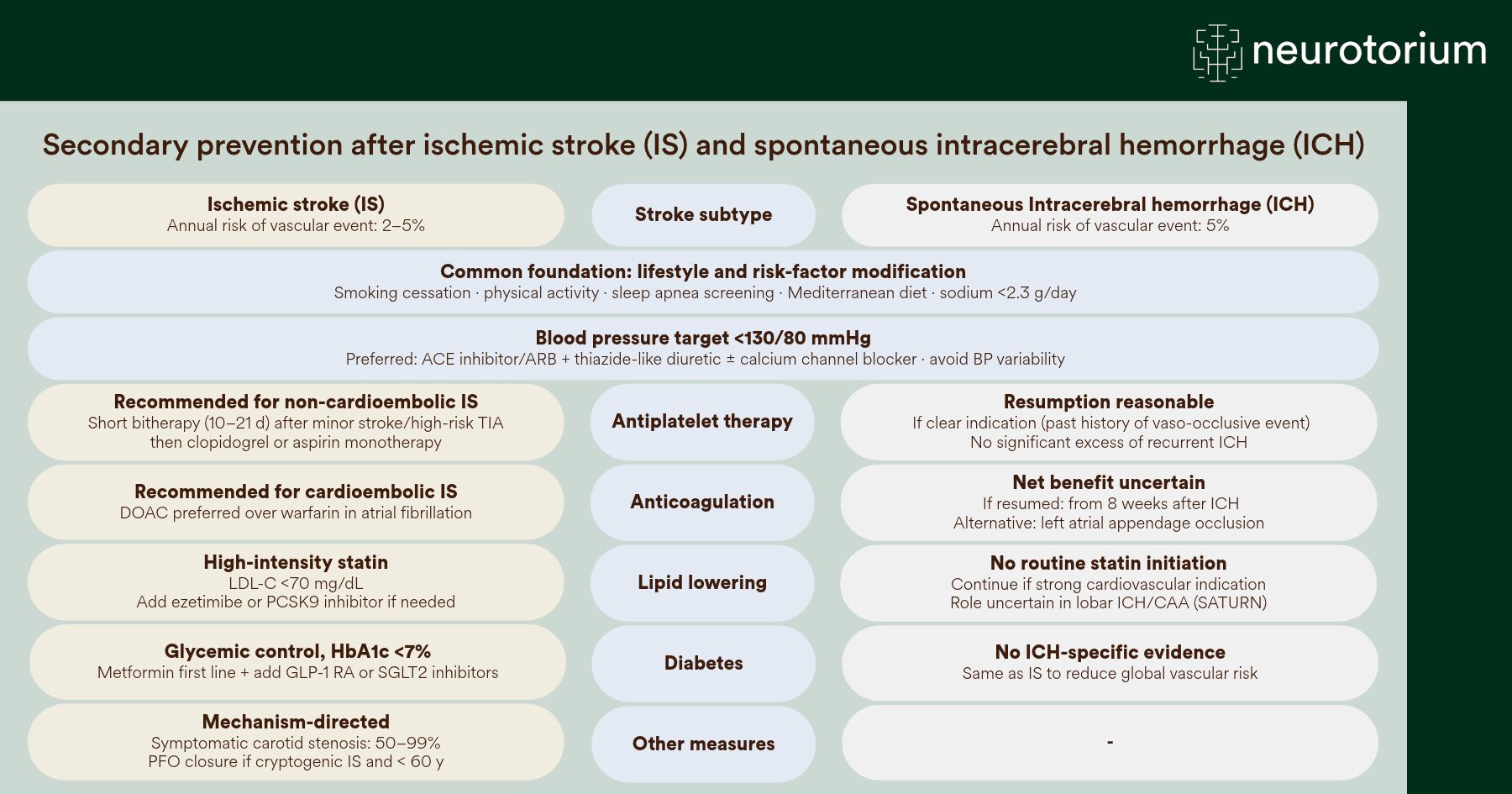
Figure 1. Secondary prevention after ischemic stroke and spontaneous intracerebral hemorrhage
Lifestyle modification and blood pressure control (<130/80 mm Hg) are common to both ischemic stroke (IS) and intracerebral hemorrhage (ICH). After IS, antithrombotic therapy, statins, and glycemic control are recommended; after ICH, evidence is limited and decisions are individualized. CAA indicates cerebral amyloid angiopathy; PFO, patent foramen ovale.
Carotid revascularization
Patients with symptomatic carotid stenosis of 50–99% (NASCET criteria) should undergo revascularization as soon as safely possible, ideally within 2 weeks; benefit is greatest for stenosis >70%.18 Carotid endarterectomy remains preferred in most patients, whereas stenting may be appropriate according to age, anatomy, comorbidity, and procedural expertise. A meta-analysis (13 RCTs, n=7484 , 80% symptomatic) showed stenting carried higher stroke risk than endarterectomy (RR 1.45; 95% CI, 1.06–1.99) but lower periprocedural myocardial infarction risk (RR 0.43; 95% CI, 0.26–0.71), with comparable efficacy suggested in patients <70 years.19,20
Patent foramen ovale closure
Patent foramen ovale is present in 25% of the general population but is over-represented in cryptogenic stroke. Closure trials in patients <60 years with stringent selection demonstrated clear benefit of percutaneous closure, with an absolute recurrence reduction of 1%/year over time.21,22
Secondary Prevention After Intracerebral Hemorrhage
ICH survivors face a high subsequent vascular risk
Spontaneous intracerebral hemorrhage (ICH) survivors have substantial long-term vascular risk, with approximately 5% annual risk of vascular events.23 Recurrent ICH occurs at approximately 1.3–7.4% per year and varies markedly with underlying small-vessel disease: deep ICH is predominantly associated with arteriolosclerosis, whereas lobar ICH is mainly related to cerebral amyloid angiopathy, which carries a higher recurrence risk.24 Approximately 10% of survivors experience ischemic stroke within 5 years, and extracerebral ischemic events are particularly important in patients with AF.25 Secondary prevention must therefore balance prevention of recurrent hemorrhage against the competing risk of ischemic vascular events.
Blood Pressure Control
Long-term BP control is the most effective strategy for preventing recurrent ICH, irrespective of location or etiology. Current guidelines recommend <130/80 mmHg.26,27 In PROGRESS, an approximately 9-mmHg reduction in SBP with perindopril, alone or combined with indapamide, reduced recurrent hemorrhage by approximately 50% among patients with prior ICH.28 TRIDENT provided contemporary randomized evidence specifically in ICH survivors. In 1670 patients with SBP 130–160 mmHg, a low-dose combination of telmisartan, amlodipine, and indapamide reduced mean SBP to 127 versus 138 mmHg and recurrent stroke to 4.6% versus 7.4% (HR 0.61; 95% CI 0.41–0.92), driven predominantly by recurrent ICH (1.8% versus 4.4%; HR 0.40; 95% CI 0.22–0.73).29 BP treatment should therefore be initiated or intensified before discharge when feasible, although the optimal timing and individualized lower threshold remain uncertain.
Antithrombotic Therapy
Approximately 50% of patients in high-income countries receive antithrombotic therapy, including 15% receiving oral anticoagulants, at the time of first ICH.25 Resumption after ICH therefore requires individualized assessment of hemorrhagic and ischemic risk.
Antiplatelet therapy. RESTART demonstrated no significant increase in recurrent ICH with resumption of antiplatelet therapy in patients previously receiving antithrombotic treatment. Over a median 2-year follow-up, recurrent ICH occurred in 4% versus 9% (HR 0.51; P=0.06).30 These findings were consistent with a meta-analysis of 1916 ICH patients showing no significant increase in recurrent ICH and fewer thromboembolic and ischemic events with antiplatelet resumption.31 Antiplatelet therapy can therefore be resumed when there is a clear indication, particularly a prior occlusive vascular event.
Anticoagulation. In ICH patients with AF (roughly 20% of ICH survivors), the benefit of (re)starting anticoagulation remains uncertain. SoSTART and APACHE-AF were the first RCTs to evaluate DOAC after ICH in patients with AF.32,33 Neither demonstrated noninferiority of DOAC versus avoiding OAC. In SoSTART, symptomatic major vascular events were numerically more frequent without DOAC, whereas APACHE-AF reported similar annual rates of nonfatal stroke or vascular death (≈12%) in both groups. An individual patient data meta-analysis (n=412) found weak evidence for reduced stroke and cardiovascular death with anticoagulation, with fewer major ischemic but more major hemorrhagic events.34 Thus, net clinical benefit remains uncertain. PRESTIGE-AF, the largest RCT to date (n=319; DOAC versus no anticoagulation; median follow-up 1.4 years), showed that DOACs markedly reduced first ischemic stroke (HR 0.05; 95% CI 0.01–0.36) but increased recurrent ICH, failing to meet the prespecified noninferiority margin (HR 10.89; 90% CI 1.95–60.72).35 This ischemic benefit was partly offset by hemorrhagic risk, and wide confidence intervals leave net clinical benefit uncertain. Ongoing trials (ENRICH-AF, NCT03950076; A3ICH, NCT03243175) should clarify which ICH survivors with AF are most likely to benefit. Optimal timing of anticoagulation resumption is also uncertain. Median time from ICH to randomization was 115 days (IQR, 49–265) in SoSTART and 45 days (IQR, 22–70) in APACHE-AF.32,33 Observational data suggest that initiation 7–8 weeks after ICH may optimize the balance between ischemic and bleeding risks.36 Left atrial appendage closure (LAAO) is being evaluated as a nonpharmacological alternative. A small Danish retrospective, non-randomized study reported lower cardiovascular and all-cause mortality, hemorrhagic stroke, and MACE with LAAO versus standard medical therapy.37 This strategy is being evaluated in the French randomized A3ICH trial (NCT03243175).
Lipid Lowering
The role of statins after ICH remains uncertain, particularly after lobar hemorrhage and in patients with cerebral amyloid angiopathy. Available observational data do not establish a clear increase in recurrent ICH with statin therapy and suggest potential reductions in ischemic events and mortality.38,39 Therefore, statins should not routinely be discontinued when there is a strong cardiovascular indication, although treatment should be individualized. SATURN (NCT03936361) is evaluating continuation versus discontinuation of statins after lobar ICH.
Conclusion
Survivors of IS and ICH remain at substantial risk of recurrent cerebral and extracerebral vascular events. Secondary prevention should therefore combine mechanism-directed therapy with comprehensive vascular risk-factor modification. Evidence supports intensive BP control, lipid and metabolic risk reduction, appropriate antithrombotic therapy, and selective revascularization or cardiac intervention. Because ischemic and hemorrhagic risks vary by stroke mechanism, prevention should be individualized and reassessed over time. Structured multidisciplinary follow-up may facilitate treatment adherence and improve long-term outcomes.
Secondary prevention should therefore combine mechanism-directed therapy with comprehensive vascular risk-factor modification.
Related content
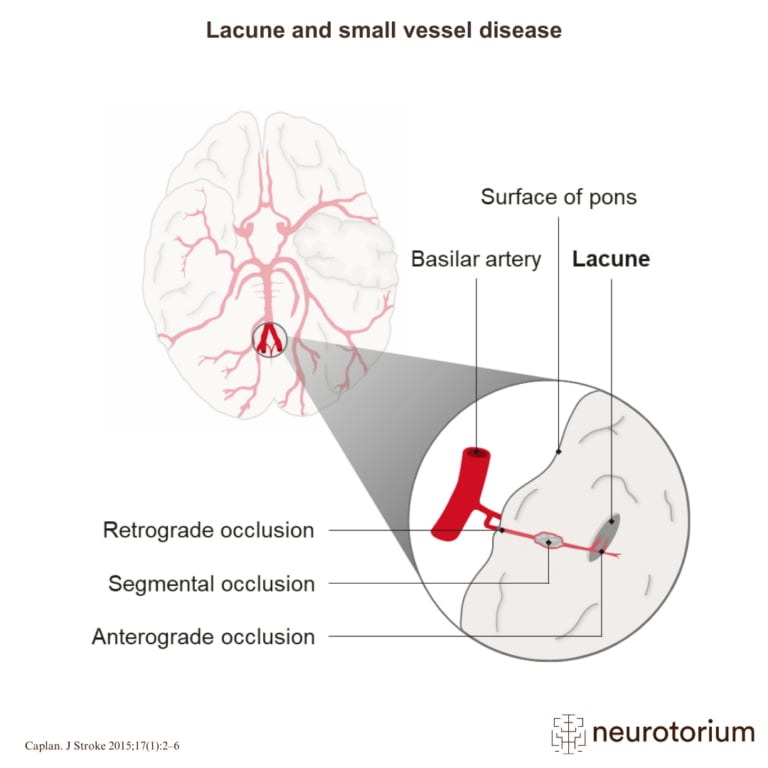
Lacunar infarctions are small subcortical infarcts, <1.5 cm in diameter, within deep areas of the brain. Roughly 1 in 5 strokes are estimated to be lacunar strokes.
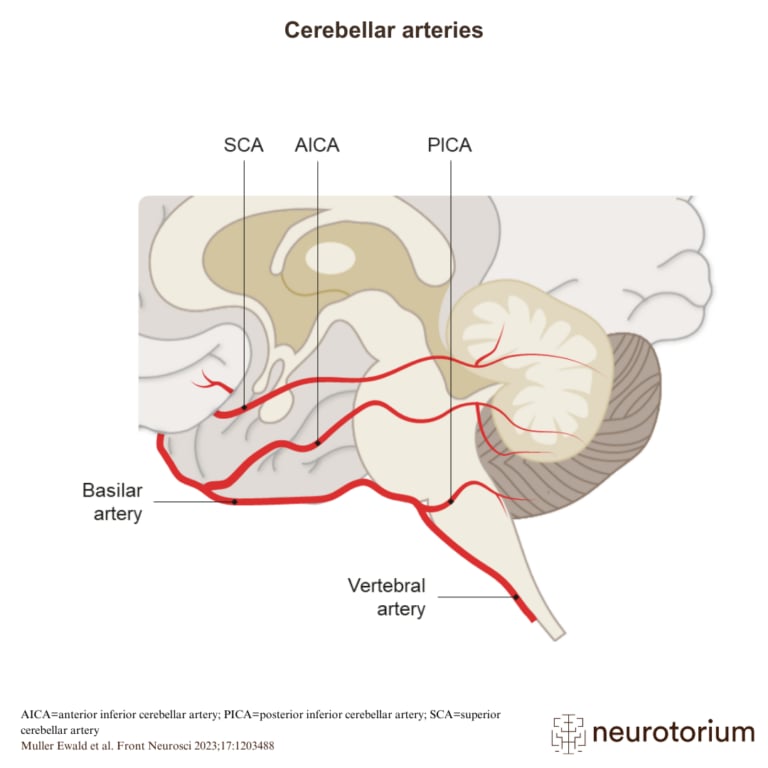
The cerebellum is supplied with blood via three branches of the basilar artery – the posterior inferior cerebellar artery (PICA), the anterior inferior cerebellar artery (AICA), and the superior cerebellar artery (SCA).
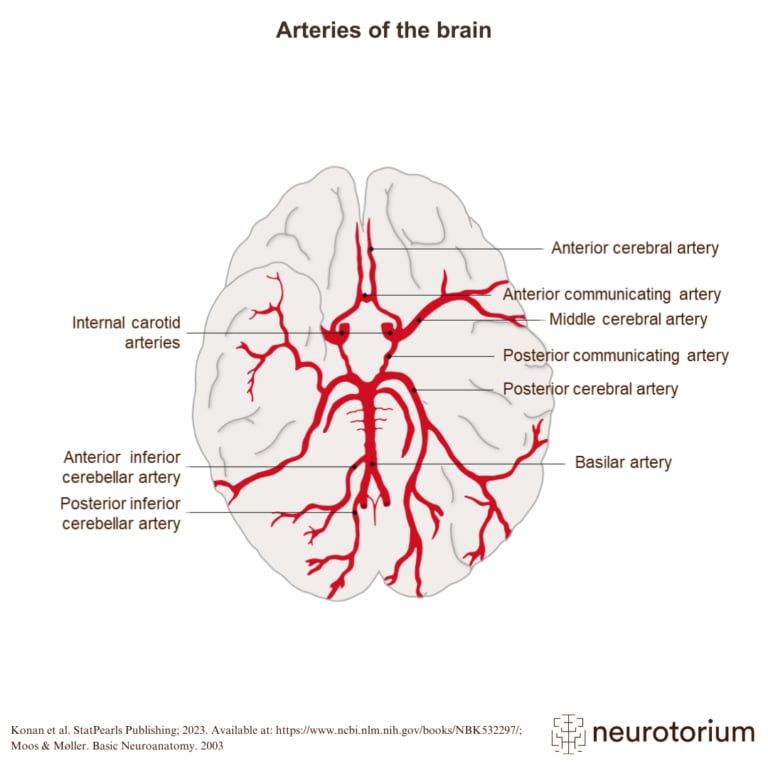
The image shows how the blood supply of the brain is arranged. The internal carotid arteries branch to form two major cerebral arteries on each side. The posterior circulation to the brain is mediated by the vertebral arteries.