Slide Decks on ALS–FTD
Amyotrophic lateral sclerosis (ALS) and frontotemporal dementia (FTD) can appear very different clinically. ALS predominantly affects motor neurons, leading to progressive problems with movement, speech, swallowing and breathing, while FTD primarily affects behaviour, personality, thinking and language. However, cognitive and behavioural symptoms are common in ALS, and motor symptoms can also occur in FTD, creating a broad range of presentations across the ALS–FTD spectrum.
Both disorders are rare but place a substantial burden on people living with them and their caregivers. Their causes are complex, involving genetic and non-genetic factors, while discoveries such as the role of C9orf72 and TDP-43 have helped reveal important biological links between ALS and FTD. Disease progression and prognosis vary considerably between individuals, and treatment requires a combination of disease-modifying approaches where available, symptom management and coordinated multidisciplinary care.
Our educational slide decks explore both ALS and FTD across their history, definitions and diagnosis through to epidemiology, genetics and neurobiology, cognition and behaviour, disease course and prognosis, and treatment. Developed and reviewed by experts, the decks provide referenced educational material that can be freely downloaded and used for learning, teaching and presentations.
What predicts whether someone with ALS will go on to develop cognitive or behavioural changes?
History, Definitions, and Diagnosis
ALS and FTD were historically regarded as distinct diseases but are now recognised as overlapping disorders within a broader neurodegenerative spectrum. This slide deck introduces their defining clinical features, the development of the ALS–FTD concept, and the approaches used to diagnose ALS, FTD and mixed presentations.
Course, Natural History, and Prognosis
Coming November 24th
ALS and FTD are progressive disorders, but their onset, pattern of progression and prognosis can vary considerably between individuals. This slide deck explores disease stages and progression across the ALS–FTD spectrum, together with the clinical, genetic and biological factors that can help inform prognosis.
Cognition and Behaviour
Coming December 1st
Cognitive and behavioural changes are an important part of the ALS–FTD spectrum and can have a major impact on people living with these disorders and their caregivers. This slide deck explores behavioural, cognitive and language symptoms across FTD and ALS, together with their assessment, diagnosis and clinical significance.
Treatment Principles
Coming December 8th
There is currently no cure for ALS or FTD, and treatment needs differ considerably across the spectrum. This slide deck explores disease-modifying treatments available for ALS, symptom management in both ALS and FTD, and the importance of multidisciplinary, supportive and palliative care in maintaining quality of life.
Epidemiology and Burden
Coming December 15th
ALS and FTD are rare disorders, but both can have a profound effect on health, everyday functioning, quality of life and caregivers. This slide deck explores their incidence and prevalence, demographic and geographic patterns, and the wider clinical, caregiver and economic burden associated with the ALS–FTD spectrum.
Genetics and Neurobiology
Coming December 17th
Genetic discoveries have been central to recognising the biological links between ALS and FTD. This slide deck explores genetic and non-genetic risk factors, shared pathological features such as TDP-43, and the cellular and molecular mechanisms that contribute to neurodegeneration across the ALS–FTD spectrum.
Articles about ALS–FTD
Our expert-written articles explore important and emerging topics across the ALS–FTD spectrum, providing accessible overviews of new research, clinical questions and advances in understanding these complex neurodegenerative disorders.

Frontotemporal Dementia and Motor Neuron Disease: A Shared Clinical and Biological Landscape
Motor neuron disease (MND) and frontotemporal dementia (FTD) have traditionally been treated as separate disorders — one primarily motor, the other primarily cognitive and behavioural. A growing body of clinical, genetic, and pathological evidence instead positions them as points on a single disease spectrum.
Watch Videos about ALS–FTD
Explore the ALS–FTD spectrum through videos featuring experts in neurology and neuroscience. From the clinical overlap between ALS and FTD to advances in our understanding of their underlying biology, these videos provide additional perspectives on a rapidly developing area of neurodegenerative disease research.
More videos coming shortly.
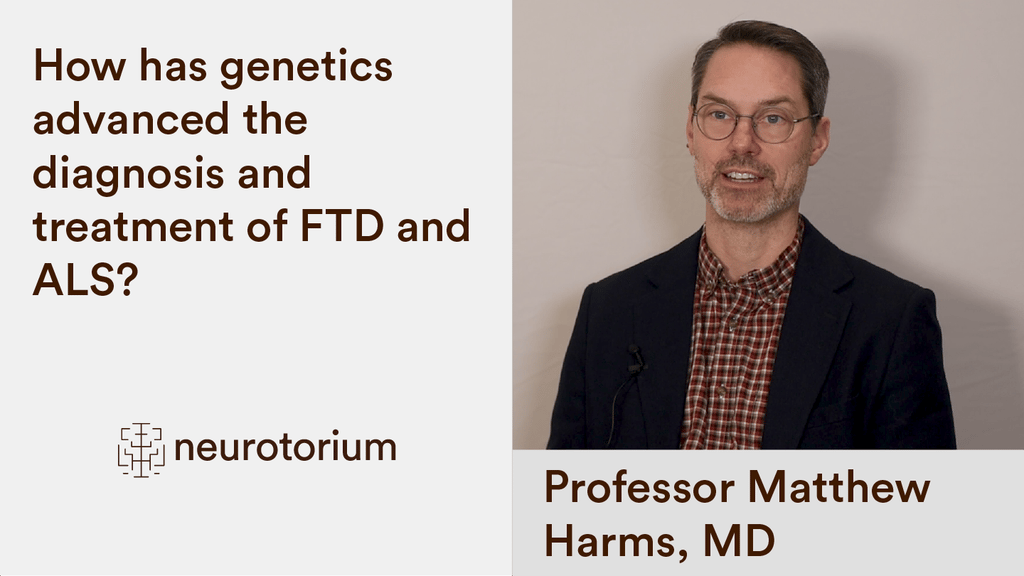
ALS and FTD: A shared disease spectrum
In this video, Professor Matthew Harms explains how genetic testing has become part of diagnosis, identifying a genetic cause in about 20% of people with FTD and 15% of those with ALS.
Illustrations & Figures on ALS–FTD
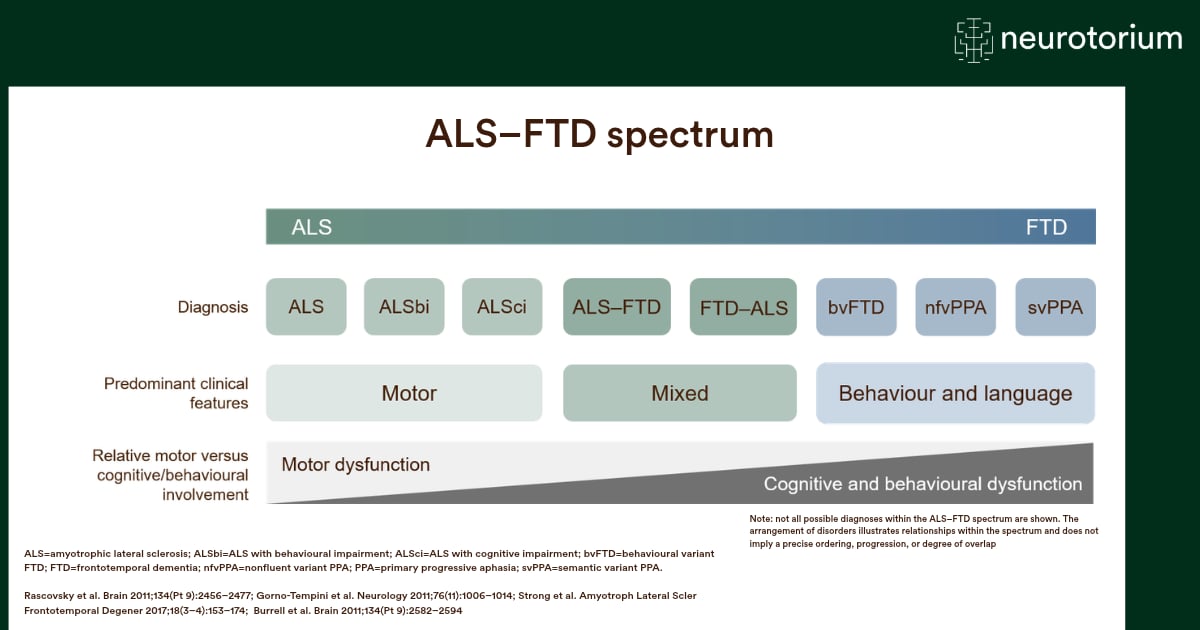
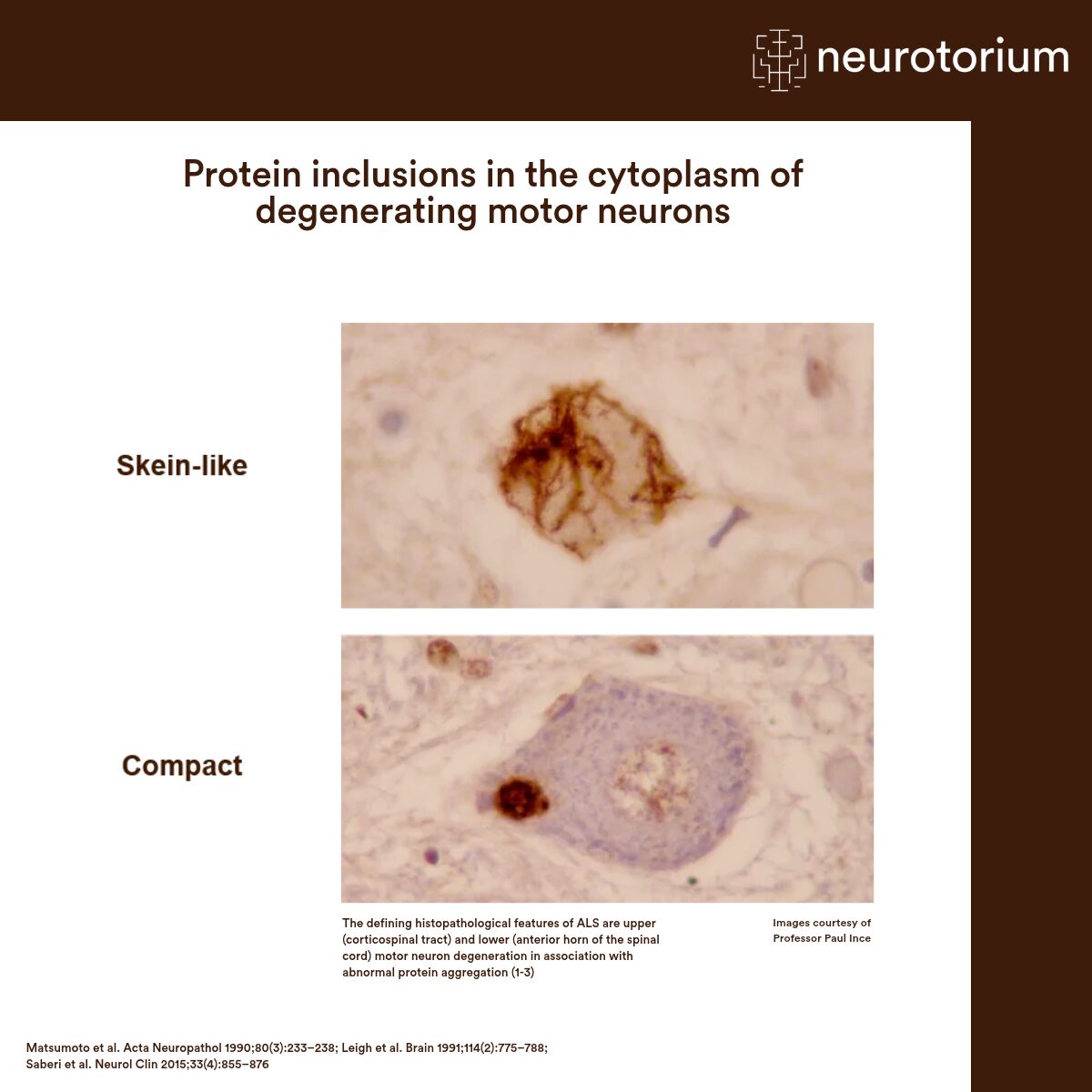
Amyotrophic lateral sclerosis (ALS) and frontotemporal dementia (FTD) are increasingly understood as two ends of a shared disease spectrum. You can download and use our free images illustrating key scientific and clinical concepts across the ALS-FTD spectrum below.
Frequently Asked Questions (FAQ)
The information provided in this document is for educational purposes only and is not a substitute for medical care. If you have questions about your health, speak with a healthcare professional.
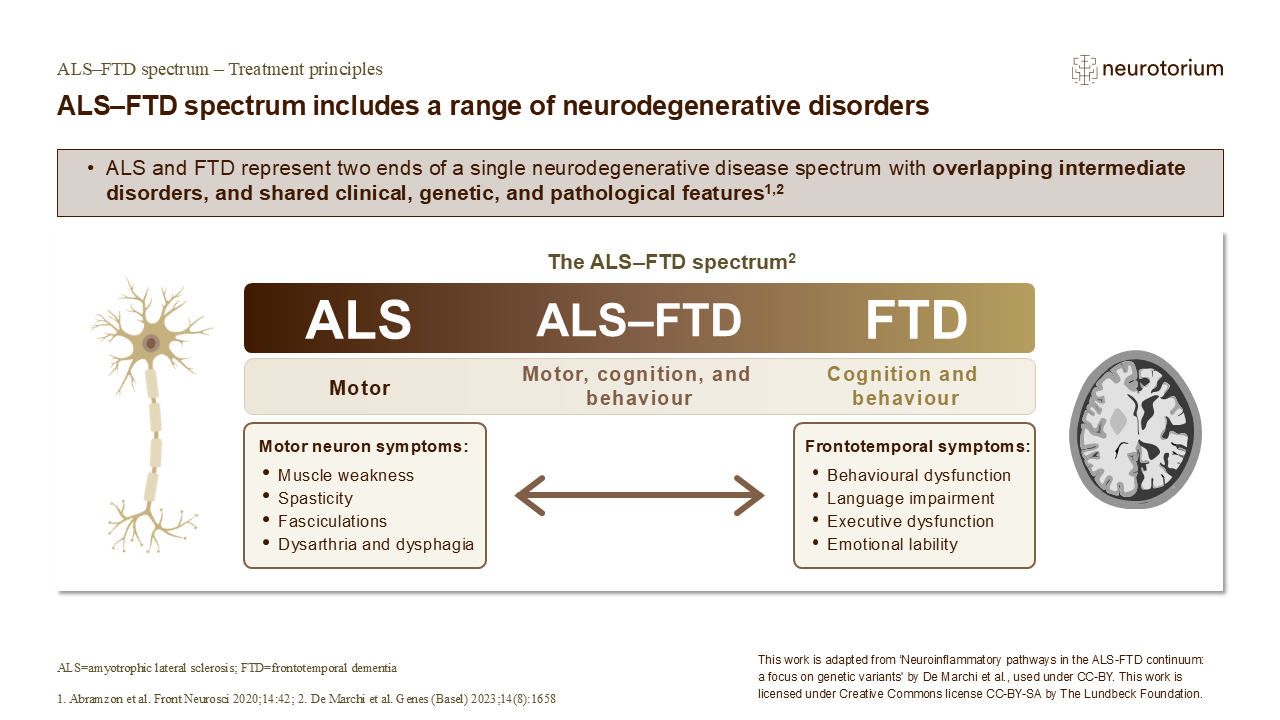
Amyotrophic lateral sclerosis (ALS) and frontotemporal dementia (FTD) are progressive neurodegenerative disorders that primarily affect different parts of the nervous system. ALS predominantly affects upper and lower motor neurons, leading to progressive muscle weakness and wasting, spasticity, fasciculations, and difficulties with speech, swallowing and, later in the disease, breathing. FTD comprises a diverse group of neurodegenerative syndromes involving the frontal and anterior temporal regions of the brain, resulting primarily in progressive changes in behaviour, personality, executive function and/or language.
Although ALS and FTD have historically been considered distinct disorders, substantial overlap in their clinical features, genetics, and underlying pathology has led to them being understood as two ends of a shared ALS–FTD spectrum. Between these two ends are a range of intermediate and mixed presentations involving different combinations of motor, cognitive, behavioural, and language impairments.
Cognitive and behavioural symptoms can occur in people with ALS – up to approximately 50% develop some degree of cognitive or behavioural impairment, with around 15% meeting diagnostic criteria for FTD – while motor-neuron dysfunction can also occur in people with FTD. The spectrum concept does not mean that ALS inevitably develops into FTD, or vice versa; rather, it reflects the biological and clinical overlap between the disorders and the considerable variation in how the disease spectrum presents between individuals.
References
- Abramzon YA, Fratta P, Traynor BJ, et al. The Overlapping Genetics of Amyotrophic Lateral Sclerosis and Frontotemporal Dementia. Front Neurosci. 2020;14:42.
- De Marchi F, Tondo G, Corrado L, et al. Neuroinflammatory Pathways in the ALS-FTD Continuum: A Focus on Genetic Variants. Genes (Basel). 2023;14(8):1658.
- Strong MJ, Abrahams S, Goldstein LH, et al. Amyotrophic lateral sclerosis-frontotemporal spectrum disorder (ALS-FTSD): Revised diagnostic criteria. Amyotroph Lateral Scler Frontotemporal Degener. 2017;18(3–4):153–174.
- Burrell JR, Halliday GM, Kril JJ, Ittner LM, Götz J, Kiernan MC, Hodges JR. The frontotemporal dementia-motor neuron disease continuum. The Lancet 2016; 388; 919-931
The causes of ALS and FTD are complex and are not fully understood. Across the ALS–FTD spectrum, disease risk arises from a combination of genetic susceptibility and non-genetic factors that accumulate over a person’s lifetime. Ageing is an important risk factor, and differences related to biological sex have also been observed. Environmental and lifestyle exposures may contribute to risk, although the strength of evidence varies between individual factors.
Genetics can have a particularly strong influence. Important genes associated with ALS include C9orf72, SOD1, TARDBP and FUS, while common genetic causes of familial FTD include C9orf72, GRN and MAPT. The C9orf72 repeat expansion is especially important because it can cause ALS, FTD or a combined ALS–FTD presentation.
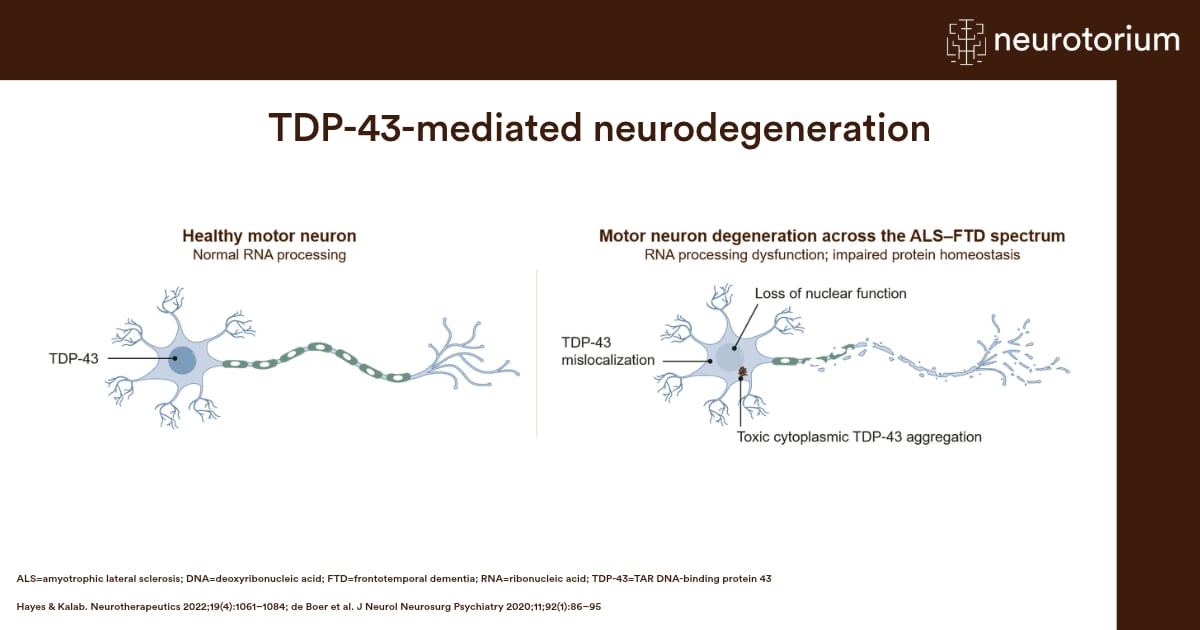
At the cellular level, ALS and FTD also share several disease mechanisms. Abnormal TDP-43 protein accumulation is present in most ALS and in a substantial proportion of FTD, and shared pathways include disruption of RNA processing, protein homeostasis and autophagy, mitochondrial function and cellular transport, as well as neuroinflammation.
References
- Goutman SA, Hardiman O, Al-Chalabi A, et al. Emerging insights into the complex genetics and pathophysiology of amyotrophic lateral sclerosis. Lancet Neurol. 2022;21(5):465–479.
- Abramzon YA, Fratta P, Traynor BJ, et al. The Overlapping Genetics of Amyotrophic Lateral Sclerosis and Frontotemporal Dementia. Front Neurosci. 2020;14:42.
- De Marchi F, Tondo G, Corrado L, et al. Neuroinflammatory pathways in the ALS-FTD continuum: a focus on genetic variants. Genes (Basel). 2023;14(8):1658.
Estimates of prevalence rates for ALS and FTD vary between regions and studies. For ALS, around 2 people per 100,000 are diagnosed each year, and about 4–5 people per 100,000 are living with the condition at any given time.
For FTD, around 2 people per 100,000 are diagnosed each year, while approximately 9 people per 100,000 are living with FTD. Estimates vary, partly because FTD can be difficult to diagnose and its symptoms can overlap with those of other neurological and psychiatric conditions.
Both ALS and FTD become more common with age, although they can also affect younger people. Both conditions are reported more often in males than females. As populations age, and as diagnosis and reporting improve, the number of people living with disorders across the ALS–FTD spectrum is expected to increase.
References
- Wolfson C, Gauvin DE, Ishola F, et al. Global Prevalence and Incidence of Amyotrophic Lateral Sclerosis: A Systematic Review. Neurology. 2023;101(6):e613–e623.
- Xu L, Liu T, Liu L, et al. Global variation in prevalence and incidence of amyotrophic lateral sclerosis: a systematic review and meta-analysis. J Neurol. 2020;267(4):944–953.
- Urso D, Giannoni-Luza S, Brayne C, Ray N, Logroscino G. Incidence and Prevalence of Frontotemporal Dementia: A Systematic Review and Meta-Analysis. JAMA Neurol. 2025;82(11):1144–1152.
- Logroscino G, Piccininni M, Graff C, et al. Incidence of Syndromes Associated With Frontotemporal Lobar Degeneration in 9 European Countries. JAMA Neurol. 2023;80(3):279–286.
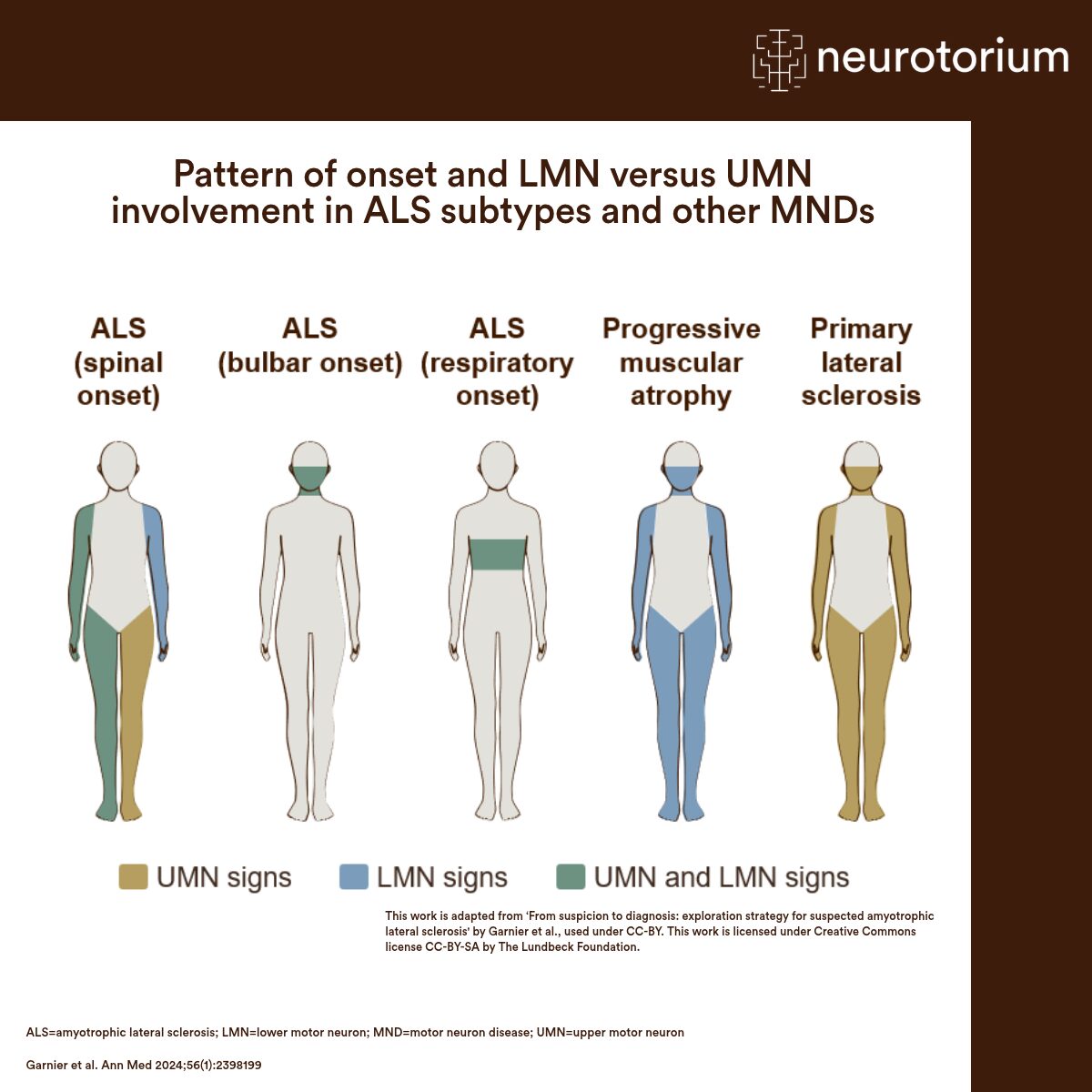
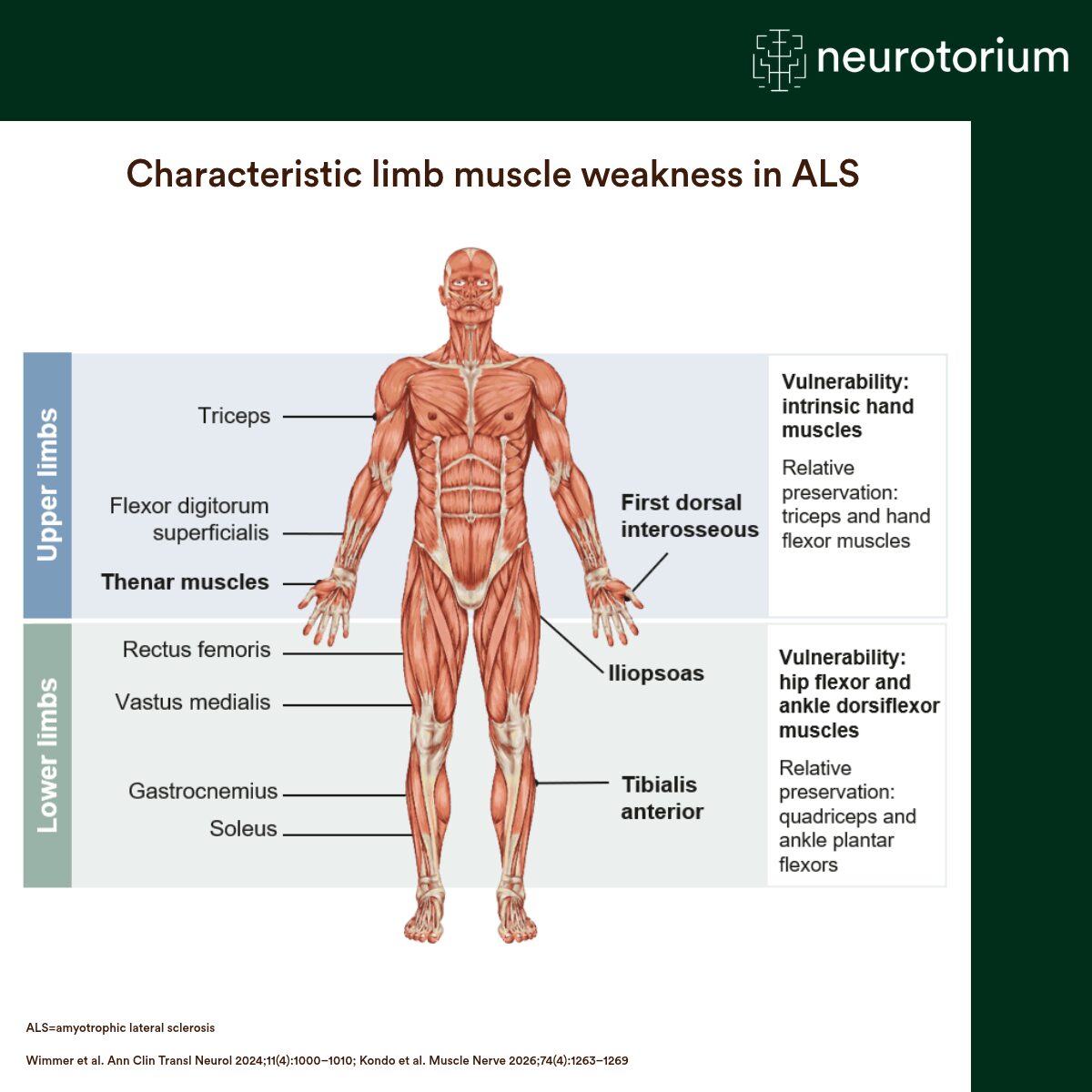
Symptoms vary widely across the ALS–FTD spectrum. ALS mainly affects movement and muscle control. Common symptoms include progressive muscle weakness and wasting, muscle stiffness or twitching, and difficulties with speaking or swallowing. Symptoms often begin in the arms or legs, although for some people they first affect speech and swallowing, and more rarely breathing.
FTD is more likely to cause changes in behaviour, personality, thinking or language. People with behavioural-variant FTD may become less motivated, more impulsive, less empathetic, develop repetitive behaviours or changes in eating habits, or have difficulty with planning and problem-solving. Some forms of FTD mainly affect language, making it harder to produce speech or understand the meaning of words.
There can also be overlap between these symptoms. People with ALS may develop changes in thinking, language or behaviour, while some people with FTD develop problems with movement and muscle control. The symptoms, their severity and the order in which they appear can therefore vary considerably from person to person.
References
- Rascovsky K, Hodges JR, Knopman D, et al. Sensitivity of revised diagnostic criteria for the behavioural variant of frontotemporal dementia. Brain. 2011;134(Pt 9):2456–2477.
- Gorno-Tempini ML, Hillis AE, Weintraub S, et al. Classification of primary progressive aphasia and its variants. Neurology. 2011;76(11):1006–1014.
- Strong MJ, Abrahams S, Goldstein LH, et al. Amyotrophic lateral sclerosis-frontotemporal spectrum disorder (ALS-FTSD): Revised diagnostic criteria. Amyotroph Lateral Scler Frontotemporal Degener. 2017;18(3–4):153–174.
ALS and FTD are diagnosed primarily through clinical assessment – there is no single routine test that can diagnose every case. With ALS, clinicians look for progressive motor impairment together with evidence of upper and lower motor neuron dysfunction and assess whether another condition could better explain the symptoms. Electromyography (EMG) can provide supportive evidence of lower motor neuron involvement, while imaging and laboratory tests are often used to exclude alternative diagnoses.
FTD diagnosis is also primarily clinical and is based on the pattern and progression of behavioural, cognitive or language symptoms. Established criteria are used for behavioural-variant FTD and the primary progressive aphasia variants. Brain imaging can aid with diagnosis by revealing typical patterns of atrophy or altered metabolism, and genetic testing can support the diagnosis in certain cases.
Because cognitive and behavioural changes are common in ALS, ALS-specific screening tools such as the Edinburgh Cognitive and Behavioural ALS Screen (ECAS) or ALS Cognitive Behavioural Screen (ALS-CBS) may be used. Mixed ALS–FTD presentations are classified using criteria that recognise cognitive impairment, behavioural impairment and overt FTD in people with ALS.
References
- Shefner JM, Al-Chalabi A, Baker MR, et al. A proposal for new diagnostic criteria for ALS. Clin Neurophysiol. 2020;131(8):1975–1978.
- Rascovsky K, Hodges JR, Knopman D, et al. Sensitivity of revised diagnostic criteria for the behavioural variant of frontotemporal dementia. Brain. 2011;134(Pt 9):2456–2477.
- Gorno-Tempini ML, Hillis AE, Weintraub S, et al. Classification of primary progressive aphasia and its variants. Neurology. 2011;76(11):1006–1014.
- Strong MJ, Abrahams S, Goldstein LH, et al. Amyotrophic lateral sclerosis-frontotemporal spectrum disorder (ALS-FTSD): Revised diagnostic criteria. Amyotroph Lateral Scler Frontotemporal Degener. 2017;18(3–4):153–174.
While there is currently no cure for ALS or FTD, treatment aims to slow disease progression, manage symptoms, maintain function and quality of life, support caregivers, and plan for future care needs.
For ALS, disease-modifying medicines can provide modest benefits in survival or disease progression. Symptom-directed treatment is also important for problems such as spasticity, cramps, mood symptoms and pseudobulbar affect (uncontrollable episodes of laughing or crying that do not match how a person actually feels).
There are currently no approved treatments that can slow or stop the progression of FTD. Instead, medicines may be used to help manage specific symptoms, such as changes in behaviour or mood. For example, antidepressants may help with some behavioural symptoms, while antipsychotic medicines may be used cautiously in more severe cases. Alongside medication, care from a range of healthcare professionals is important to help manage symptoms and maintain quality of life. This may include support with breathing, nutrition, movement, communication, thinking, and behaviour.
References
- Vucic S, Shahrizaila N, Kano O, et al. Pan-Asian consortium for treatment and research in ALS (PACTALS) guidelines for management of amyotrophic lateral sclerosis. Lancet Reg Health West Pac. 2025;62:101684.
- Neylan KD, Miller BL. New approaches to the treatment of frontotemporal dementia. Neurotherapeutics. 2023;20(4):1055–1065.
- Miller TM, Cudkowicz ME, Genge A, et al. Trial of antisense oligonucleotide tofersen for SOD1 ALS. N Engl J Med. 2022;387(12):1099–1110.
- Pseudobulbar affect: symptoms and causes. Mayo Clinic. Published December 23, 2025. Accessed October 20, 2026. https://www.mayoclinic.org/diseases-conditions/pseudobulbar-affect/symptoms-causes/syc-20353737
Care is usually most effective when it is coordinated by a multidisciplinary team and adapted as symptoms change. Depending on the individual, this may include physiotherapy and appropriate exercise, occupational therapy and mobility aids, respiratory monitoring as well as non-invasive ventilation, nutritional support, and speech and language therapy. Communication aids can help maintain communication as speech becomes more difficult.
Cognitive and behavioural symptoms should be recognised early because they can affect treatment adherence, decision-making, and caregiver burden. Education, psychological or psychiatric support, practical environmental strategies, and regular reassessment can help patients and families manage these changes.
Shared decision-making and early planning for future care are also important. Caregivers should receive information, training, psychosocial support and access to respite, or peer support where available. Palliative care can be introduced early alongside other treatments to help manage physical and psychological symptoms, support families and align care with the person’s preferences and values.
References
- Vucic S, Shahrizaila N, Kano O, et al. Pan-Asian consortium for treatment and research in ALS (PACTALS) guidelines for management of amyotrophic lateral sclerosis. Lancet Reg Health West Pac. 2025;62:101684.
- Van Damme P, Al-Chalabi A, Andersen PM, et al. European Academy of Neurology guideline on the management of amyotrophic lateral sclerosis in collaboration with ERN EURO-NMD. Eur J Neurol. 2024;31(6):e16264.
- Taylor LP, Besbris JM, Graf WD, et al. Clinical guidance in neuropalliative care: an AAN position statement. Neurology. 2022;98(10):409–416.
- Silverman HE, Ake JM, Manoochehri M, et al. The contribution of behavioral features to caregiver burden in FTLD spectrum disorders. Alzheimers Dement. 2022;18(9):1635–1649.
ALS (amyotrophic lateral sclerosis): A progressive neurodegenerative disorder characterised mainly by degeneration of upper and lower motor neurons, leading to muscle weakness, wasting and loss of motor function. ALS is the most common form of motor neurone disease (MND).
FTD (frontotemporal dementia): A group of clinical syndromes caused by degeneration of frontal and/or temporal brain regions, typically affecting behaviour, personality, executive function and/or language.
ALS–FTD spectrum: The concept that ALS and FTD represent overlapping neurodegenerative disorders with shared clinical, genetic and pathological features, including intermediate and mixed presentations.
Behavioural-variant FTD (bvFTD): A form of FTD in which progressive changes in behaviour, personality and executive function are prominent. Features can include apathy, disinhibition, reduced empathy, repetitive behaviour and altered eating.
Primary progressive aphasia (PPA): A group of progressive disorders in which language impairment is the main early feature. The semantic and nonfluent variants are commonly associated with the FTD spectrum.
Motor neuron: A nerve cell that controls voluntary muscle movement. ALS involves degeneration of both upper motor neurons in the brain and lower motor neurons in the brainstem and spinal cord.
MND (motor neurone disease): A group of conditions affecting the motor neurones, the nerve cells in the brain and spinal cord that control movements such as walking, speaking, swallowing and breathing. There are several forms of MND, which differ in which motor neurones are affected first and how the condition develops. ALS is the most common form.
Fasciculation: A small, involuntary muscle twitch that can occur when lower motor neurons and the muscle fibres they supply are affected.
References
- National Institute of Neurological Disorders and Stroke. Amyotrophic lateral sclerosis (ALS) [internet]. NINDS; 2026. Available from: https://www.ninds.nih.gov/health-information/disorders/amyotrophic-lateral-sclerosis-als
- National Institute of Neurological Disorders and Stroke. Frontotemporal dementia and other frontotemporal disorders [internet]. NINDS; 2026. Available from: https://www.ninds.nih.gov/health-information/disorders/frontotemporal-dementia-and-other-frontotemporal-disorders
- NHS. Motor neurone disease (MND) [internet]. London: NHS; 2025. Available from: https://www.nhs.uk/conditions/motor-neurone-disease/
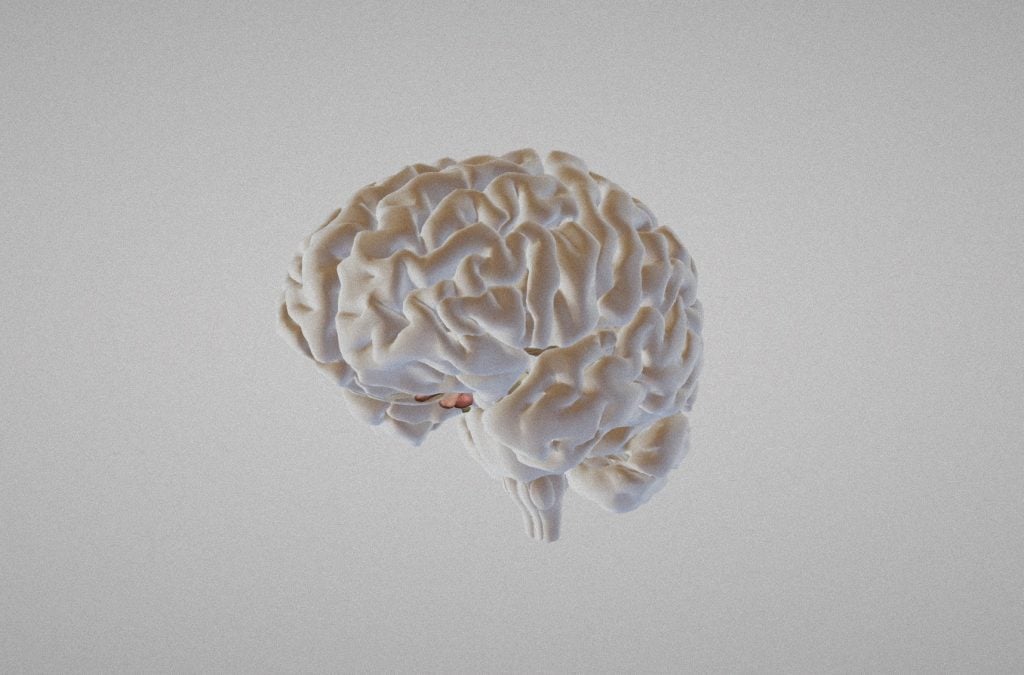
3D Brain Atlas
ALS and FTD affect interconnected but partly distinct regions of the nervous system. Explore structures associated with motor function, behaviour and language in the Neurotorium 3D Brain Atlas, and examine how the regions affected can differ across the ALS–FTD spectrum. Relevant regions of interest include:
- Primary motor cortex / precentral gyrus: A key ALS-facing structure, representing the cortical origin of upper motor pathways involved in voluntary movement.
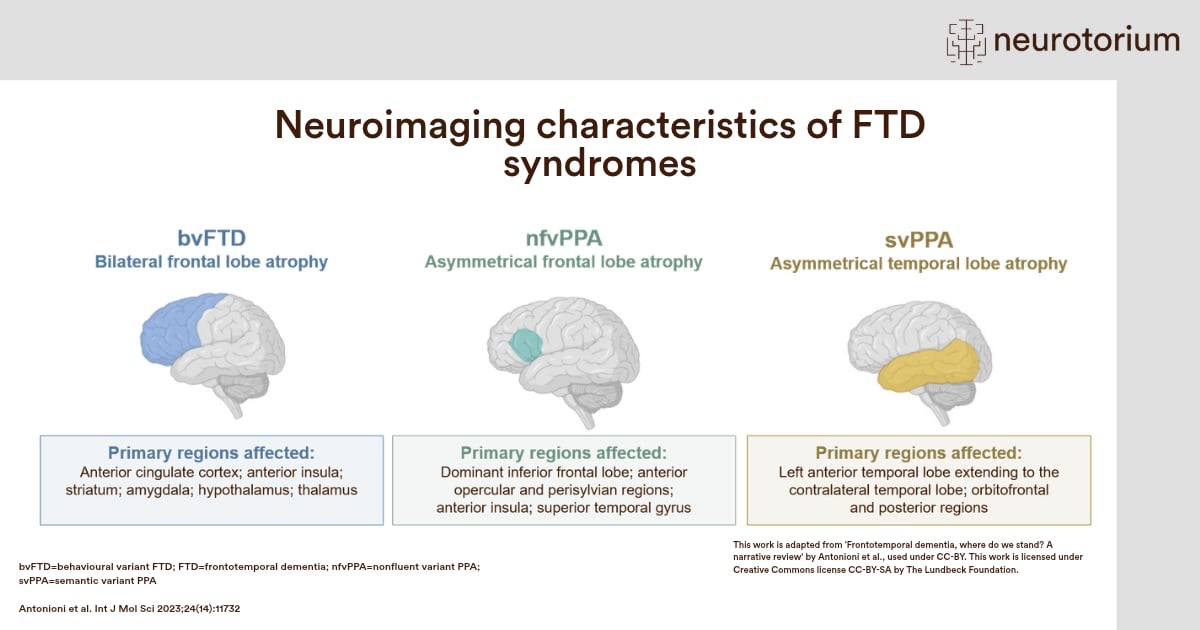
- Anterior cingulate cortex: Prominently affected in behavioural-variant FTD and relevant to motivation, behaviour and cognitive control.
- Anterior insula: An important region in behavioural-variant FTD and also part of the frontotemporal network affected in nonfluent-variant primary progressive aphasia.
- Anterior temporal lobe: Particularly relevant to semantic-variant primary progressive aphasia, in which degeneration of anterior temporal regions is associated with progressive loss of semantic knowledge.