

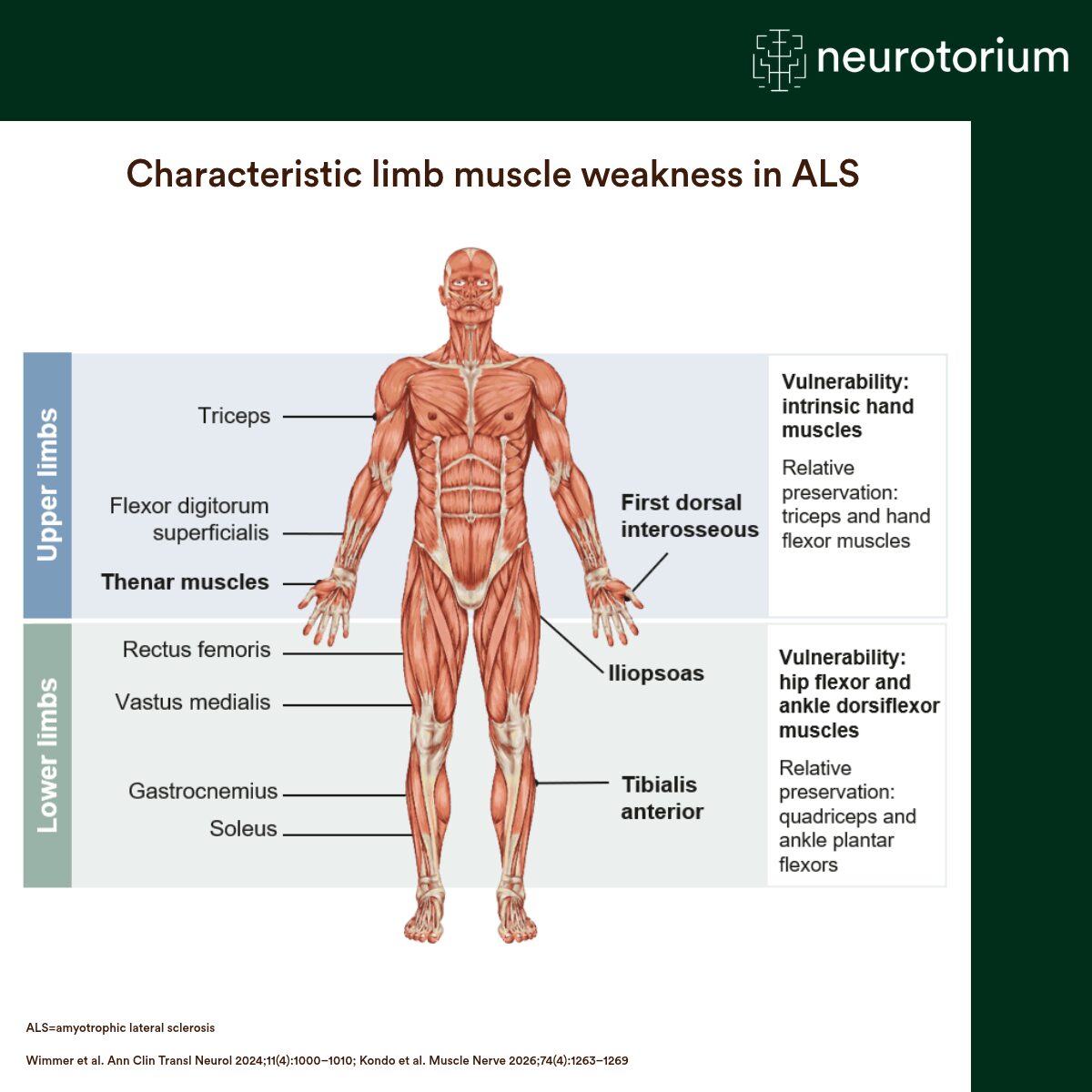
ALS is primarily characterized by progressive upper and lower motor neuron degeneration, resulting in muscle weakness, wasting, spasticity, fasciculations, bulbar dysfunction, and respiratory failure.1-3
Key clinical indicators of ALS include:
- A combination of upper and lower motor neuron symptoms1,2
- The preservation of brisk limb reflexes despite severe muscle atrophy1
- Dysarthria (of spastic or flaccid presentation)1,2
- Note: sensory and autonomic involvement is uncommon and typically occurs later in the disease course1,2
Patients may also experience symptoms related to extrapyramidal, cerebellar, sensory, autonomic, urinary, or oculomotor involvement, with cognitive impairment the most common nonmotor presentation.1
Related content
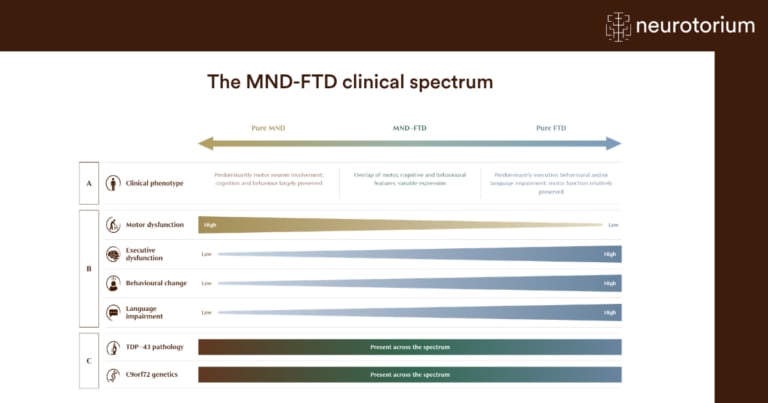
Motor neuron disease (MND) and frontotemporal dementia (FTD) were once seen as separate conditions, one affecting movement and the other cognition and behaviour. Growing evidence now places them on the same disease spectrum, linked by shared clinical features, genetic causes, and underlying pathology.
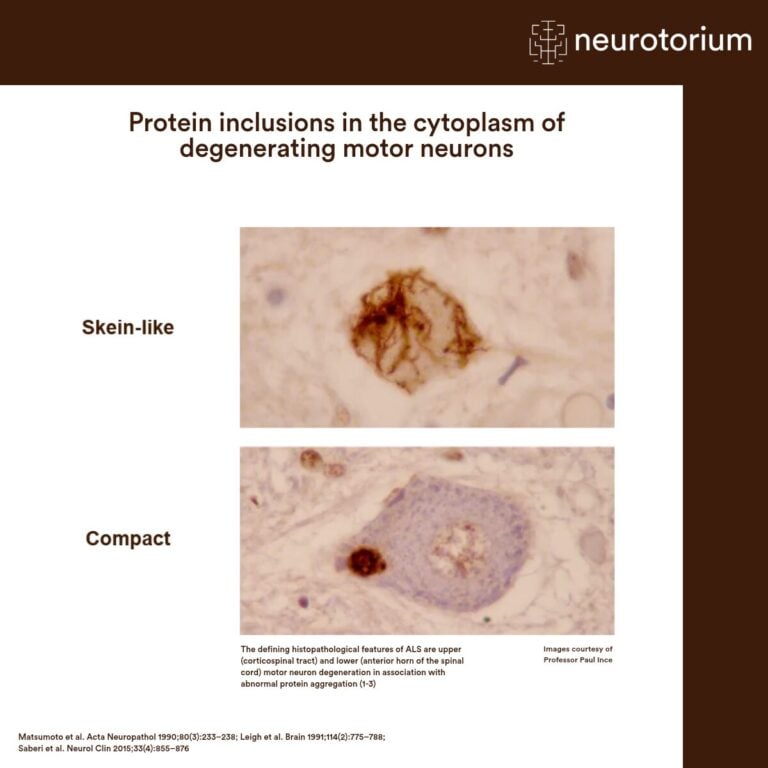
Motor neuron degeneration in ALS is associated with abnormal protein aggregation, including characteristic skein-like and compact cytoplasmic inclusions.