

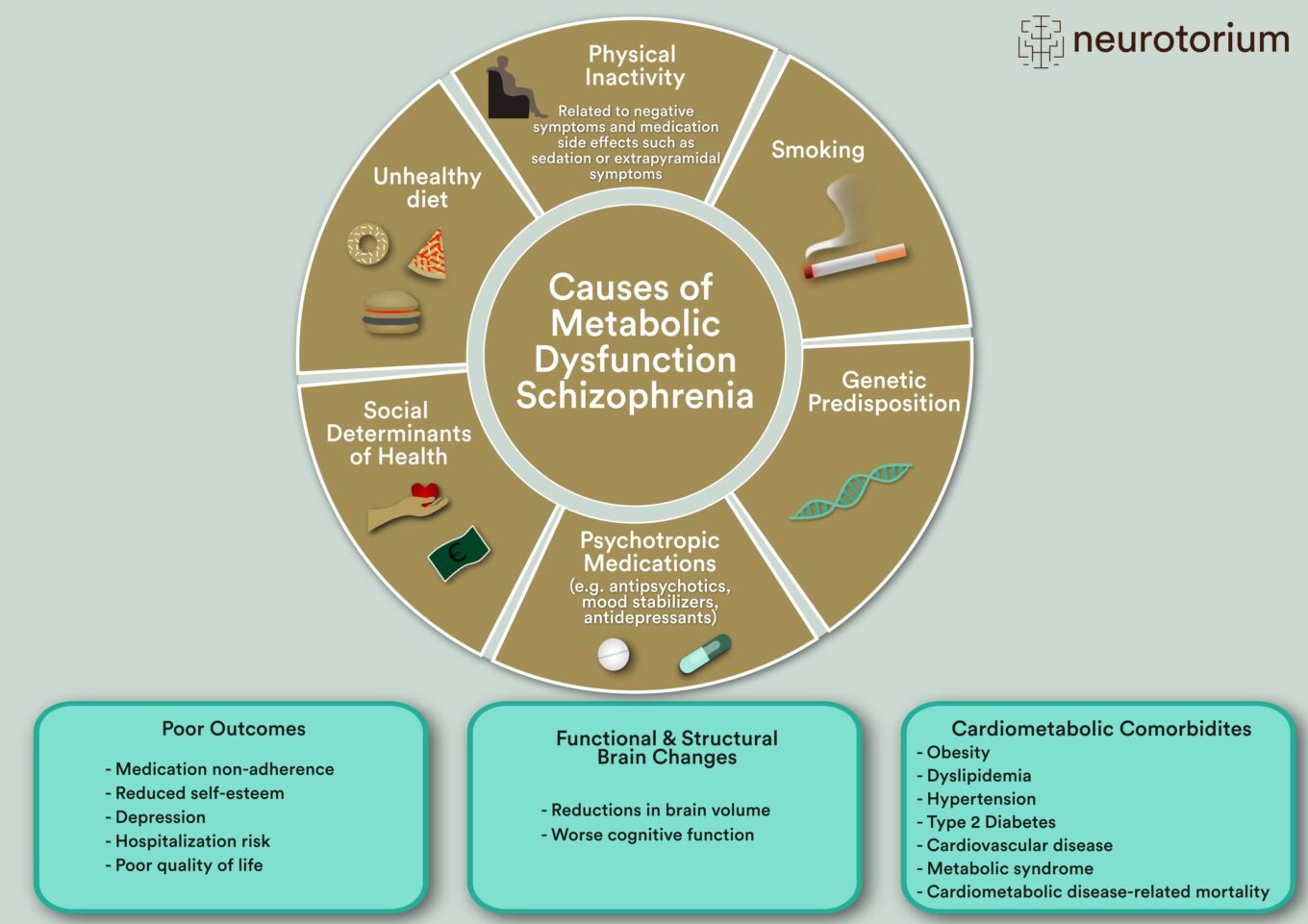
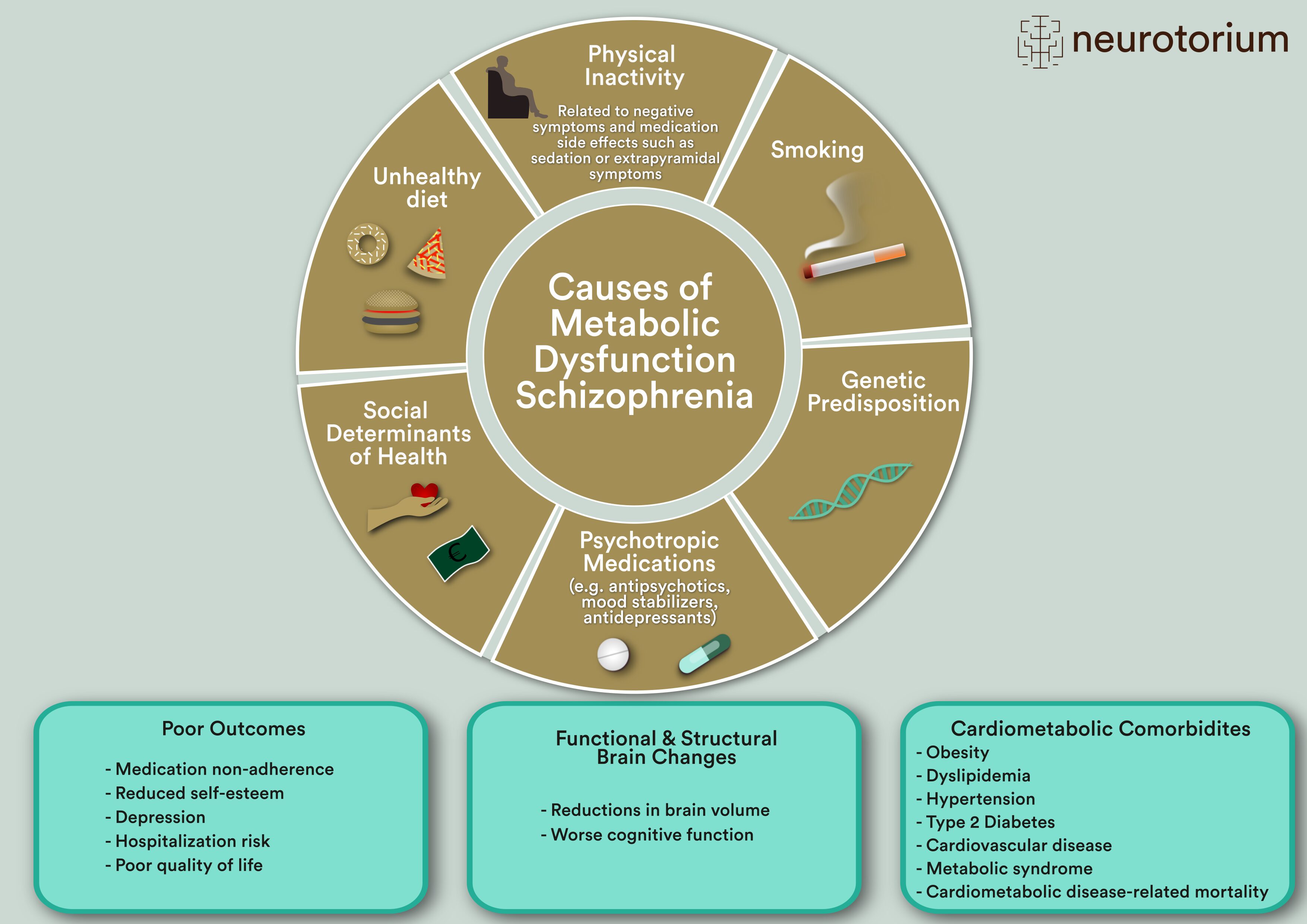
Patients with schizophrenia experience high rates of cardiometabolic comorbidities such as obesity, dyslipidemia, hypertension, type 2 diabetes, and cardiovascular disease. The etiology of these comorbidities is multifactorial, arising from a complex interplay of intrinsic and extrinsic factors, including genetic predispositions, physical inactivity, unhealthy diet, high smoking rates, poorer socioeconomic status, as well as antipsychotic medication side effects. Beyond the devastating medical sequelae, these comorbidities also contribute to medication non-adherence, low self-esteem, decreased quality of life, and worse cognitive functioning.
Related content
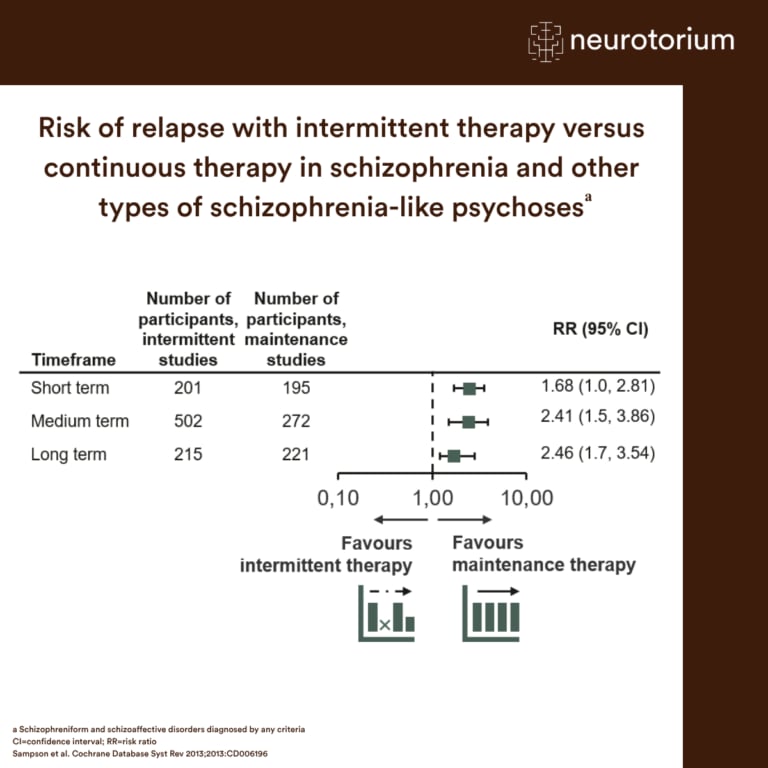
Continuous maintenance therapy is associated with a lower risk of relapse than intermittent treatment, supporting ongoing treatment strategies in schizophrenia and related psychotic disorders.
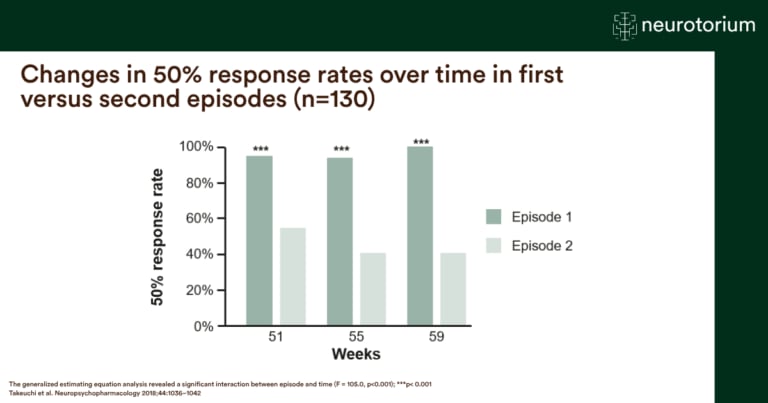
Treatment response tends to be higher during a first episode than during subsequent episodes, emphasizing the importance of early intervention and effective management.
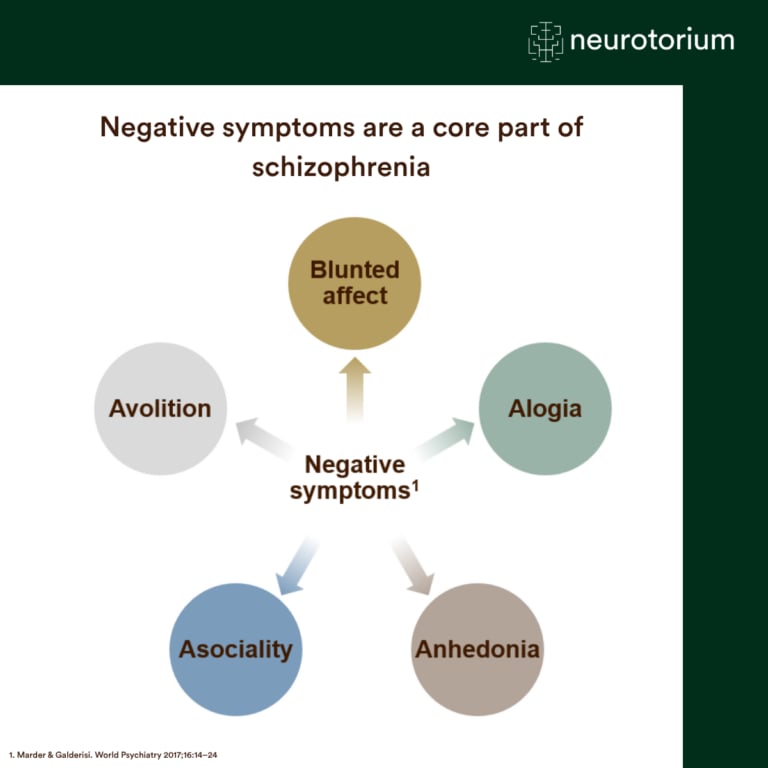
Negative symptoms are a core feature of schizophrenia and can have a profound impact on functioning, social relationships, and quality of life.