

In this video, Professor Dr. Marco Solmi introduces what the mortality gap is and why there is a mortality gap in schizophrenia. He highlights both the individual-level lifestyle factors and system-level factors where people living with schizophrenia appear to receive poorer quality of care compared to people without schizophrenia. Dr. Solmi also explains what the antipsychotic paradox means and what healthcare professionals can do to help close this gap.

Related content
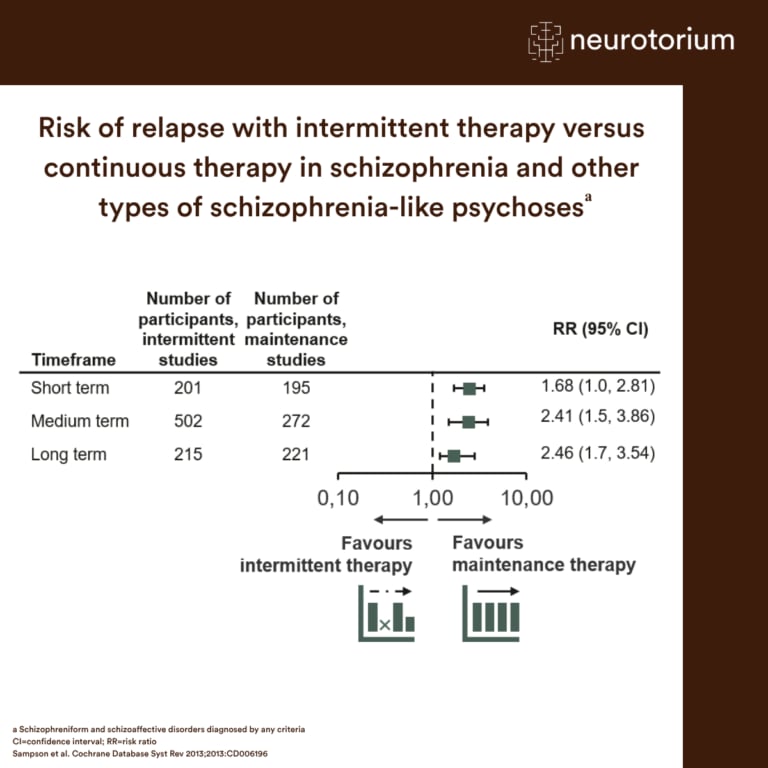
Continuous maintenance therapy is associated with a lower risk of relapse than intermittent treatment, supporting ongoing treatment strategies in schizophrenia and related psychotic disorders.
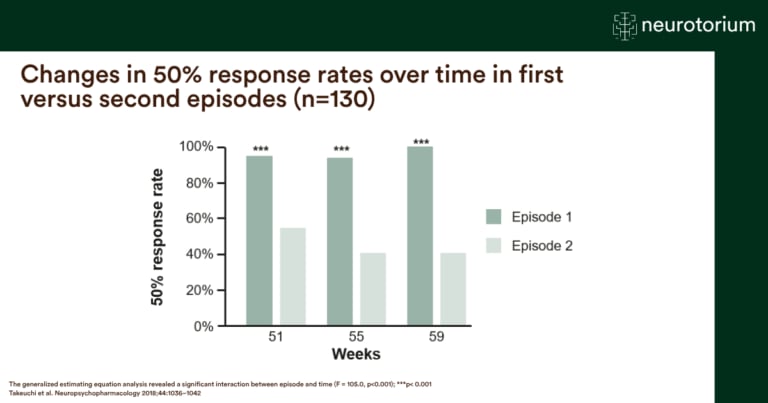
Treatment response tends to be higher during a first episode than during subsequent episodes, emphasizing the importance of early intervention and effective management.
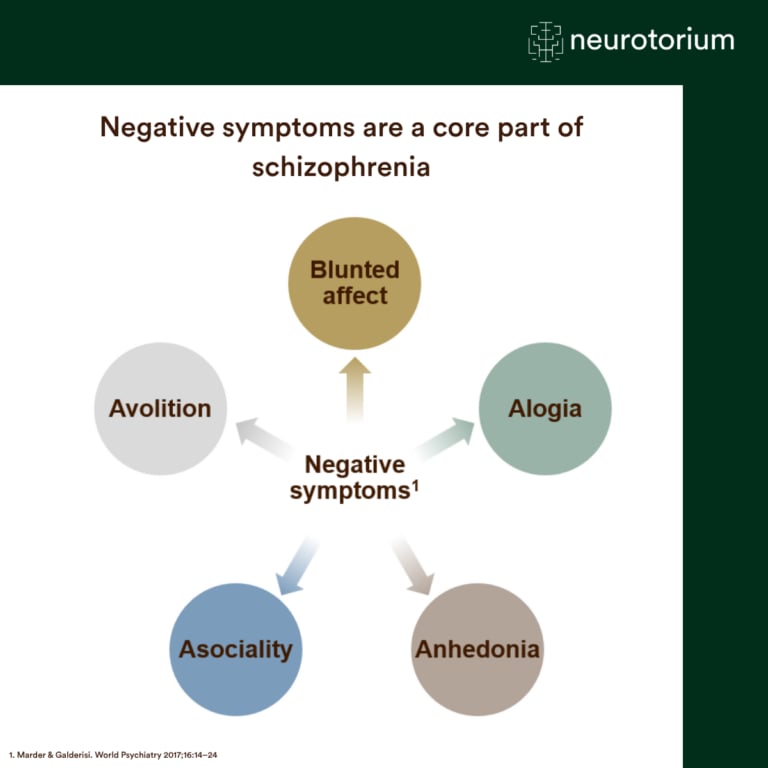
Negative symptoms are a core feature of schizophrenia and can have a profound impact on functioning, social relationships, and quality of life.