

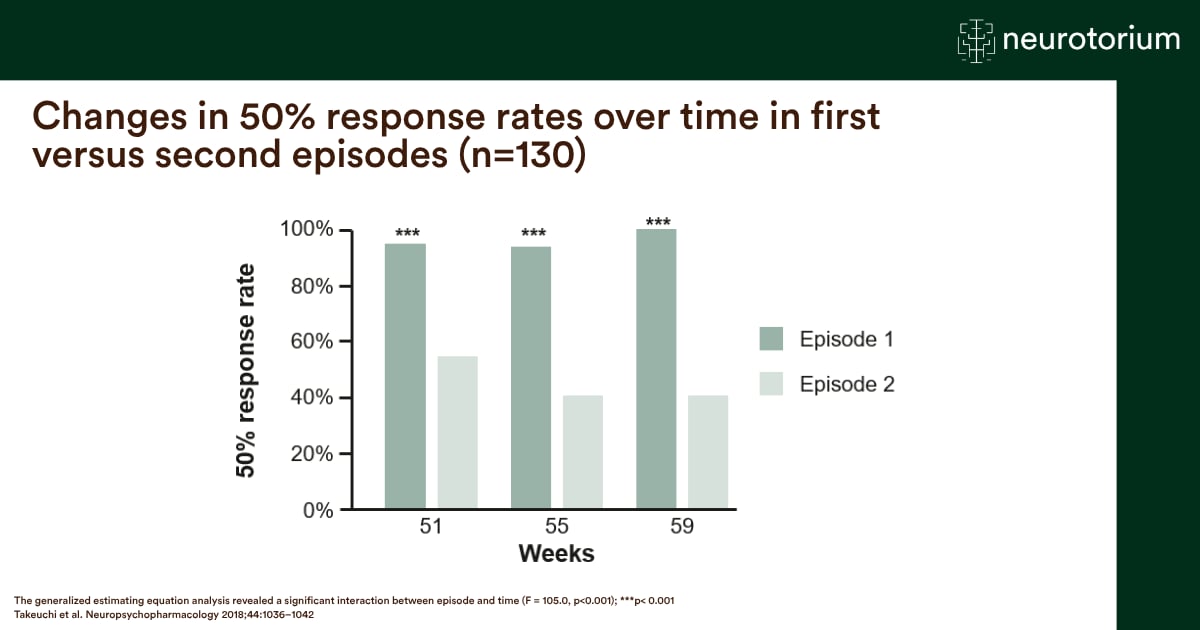
A cohort study of 130 people with schizophrenia supports that relapses should be avoided.1 The study found that most participants achieved a 50% reduction in symptoms during their first episode of illness within one year – if the same patients decided to stop their treatment and relapsed, fewer than 50% reached this degree of symptom reduction in their second episode.1
These findings align with the psychosis ‘neurotoxicity’ hypothesis.1
Related content
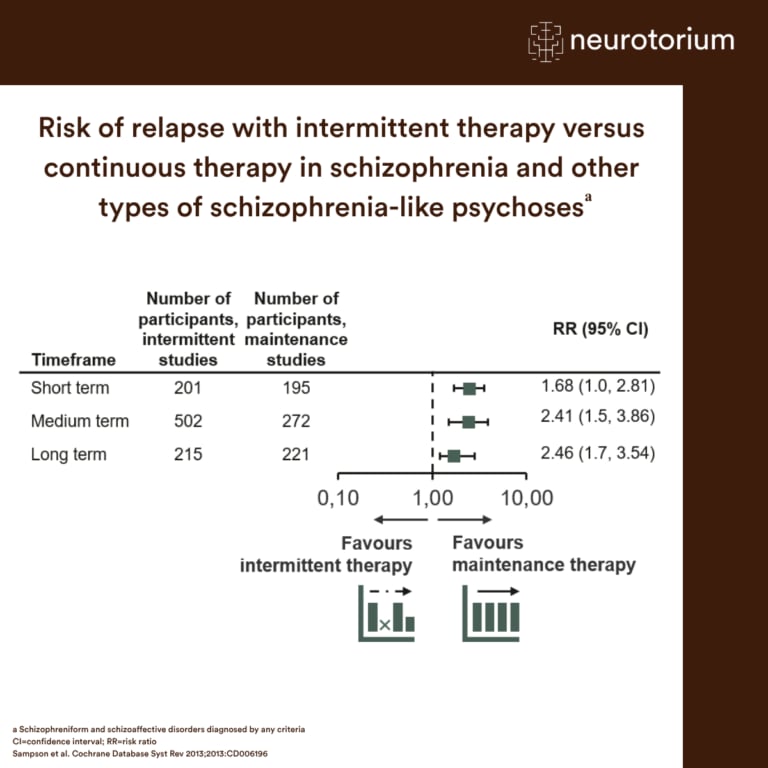
Continuous maintenance therapy is associated with a lower risk of relapse than intermittent treatment, supporting ongoing treatment strategies in schizophrenia and related psychotic disorders.
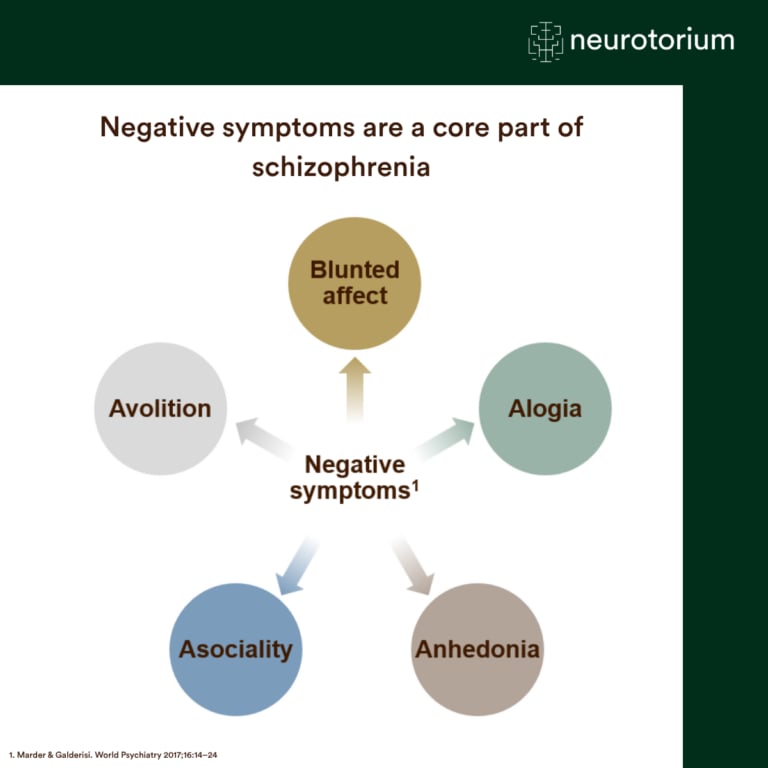
Negative symptoms are a core feature of schizophrenia and can have a profound impact on functioning, social relationships, and quality of life.

Collaborative care approaches can help address the complex needs of people living with both mental and physical health conditions.