

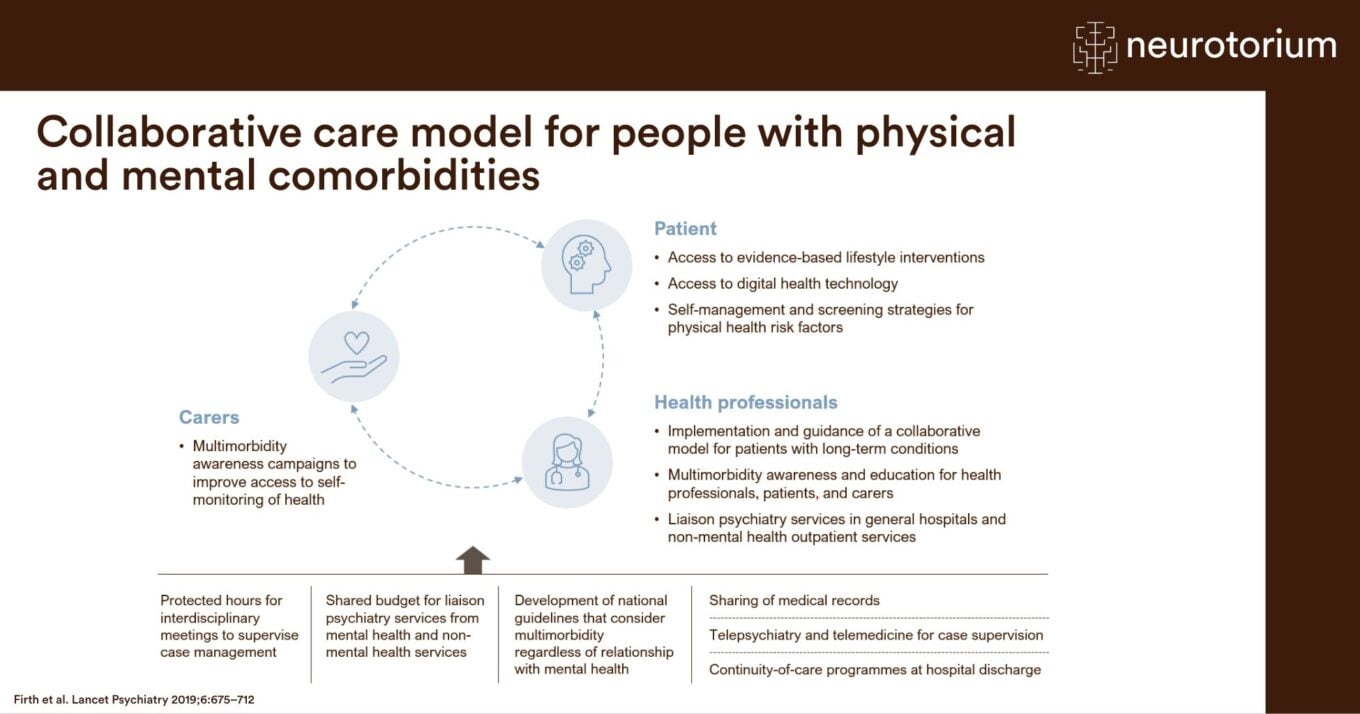
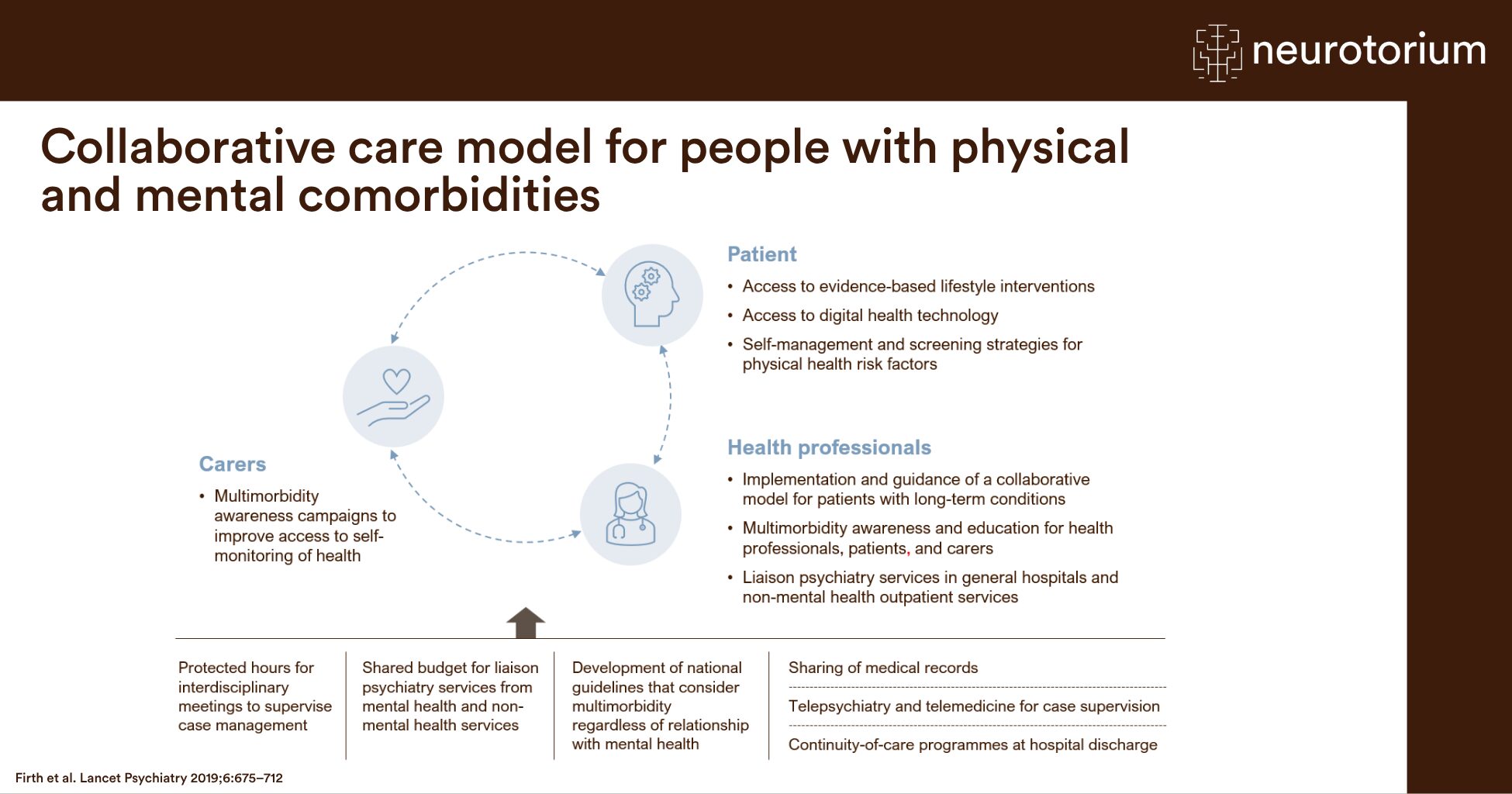
This model demonstrates an integrated management of physical and mental health comorbidities in people with mental illness.1
Collaborative care frameworks use multidisciplinary teams to coordinate integrated care, improving clinical outcomes, treatment adherence, and cost‑effectiveness for people with co‑occurring mental and physical health conditions.
Related content
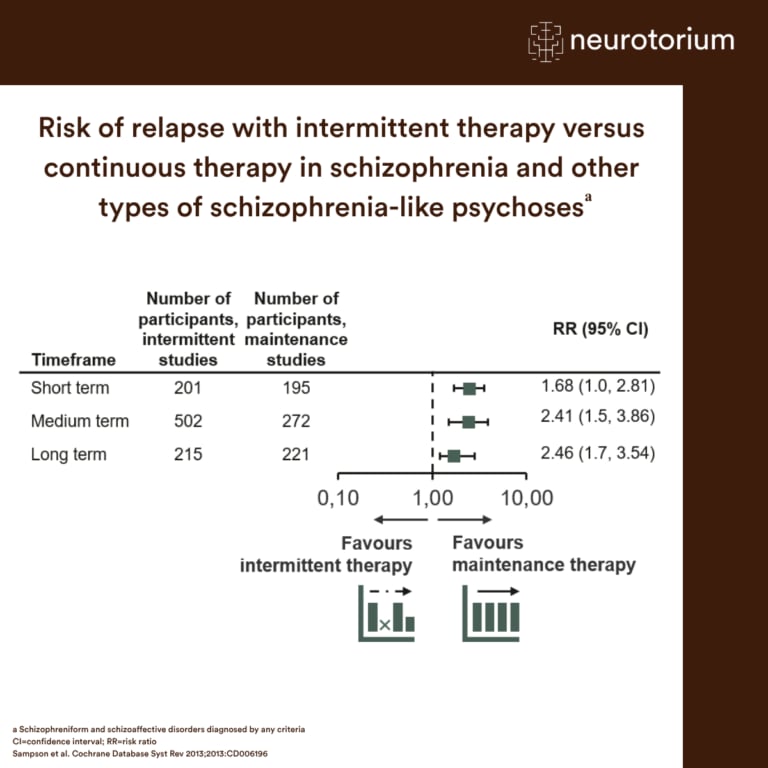
Continuous maintenance therapy is associated with a lower risk of relapse than intermittent treatment, supporting ongoing treatment strategies in schizophrenia and related psychotic disorders.
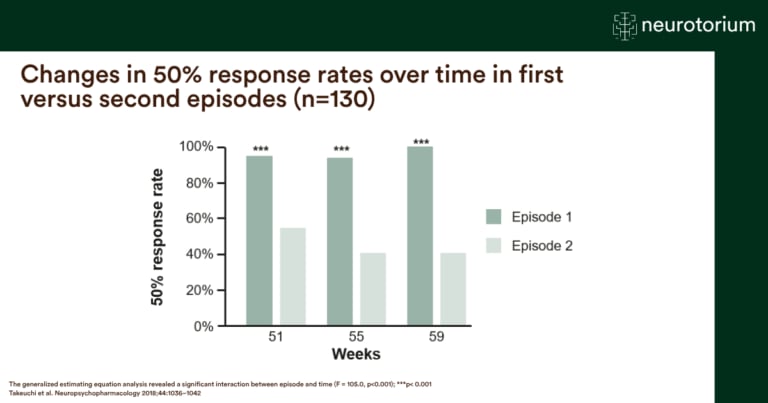
Treatment response tends to be higher during a first episode than during subsequent episodes, emphasizing the importance of early intervention and effective management.
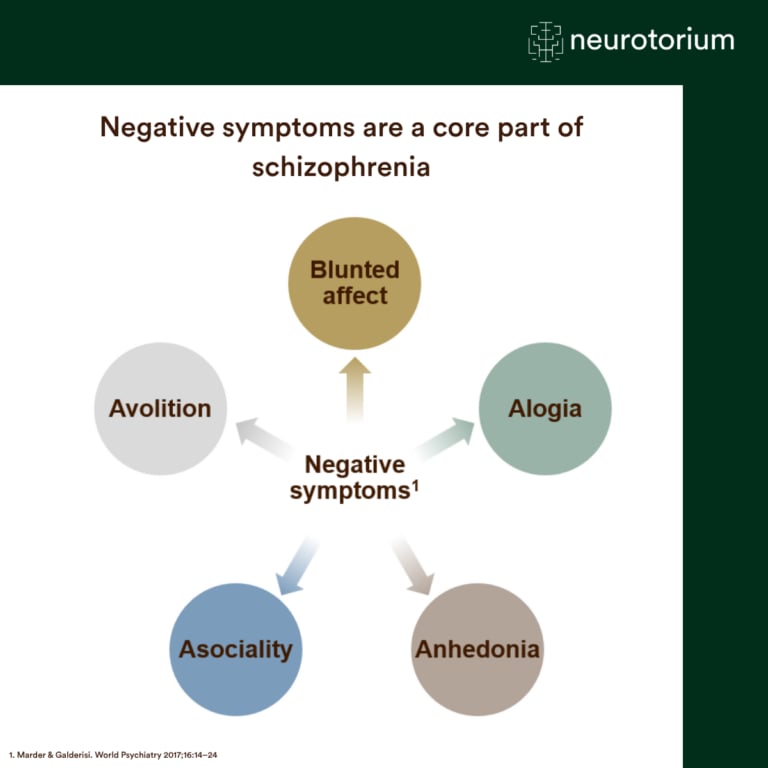
Negative symptoms are a core feature of schizophrenia and can have a profound impact on functioning, social relationships, and quality of life.