

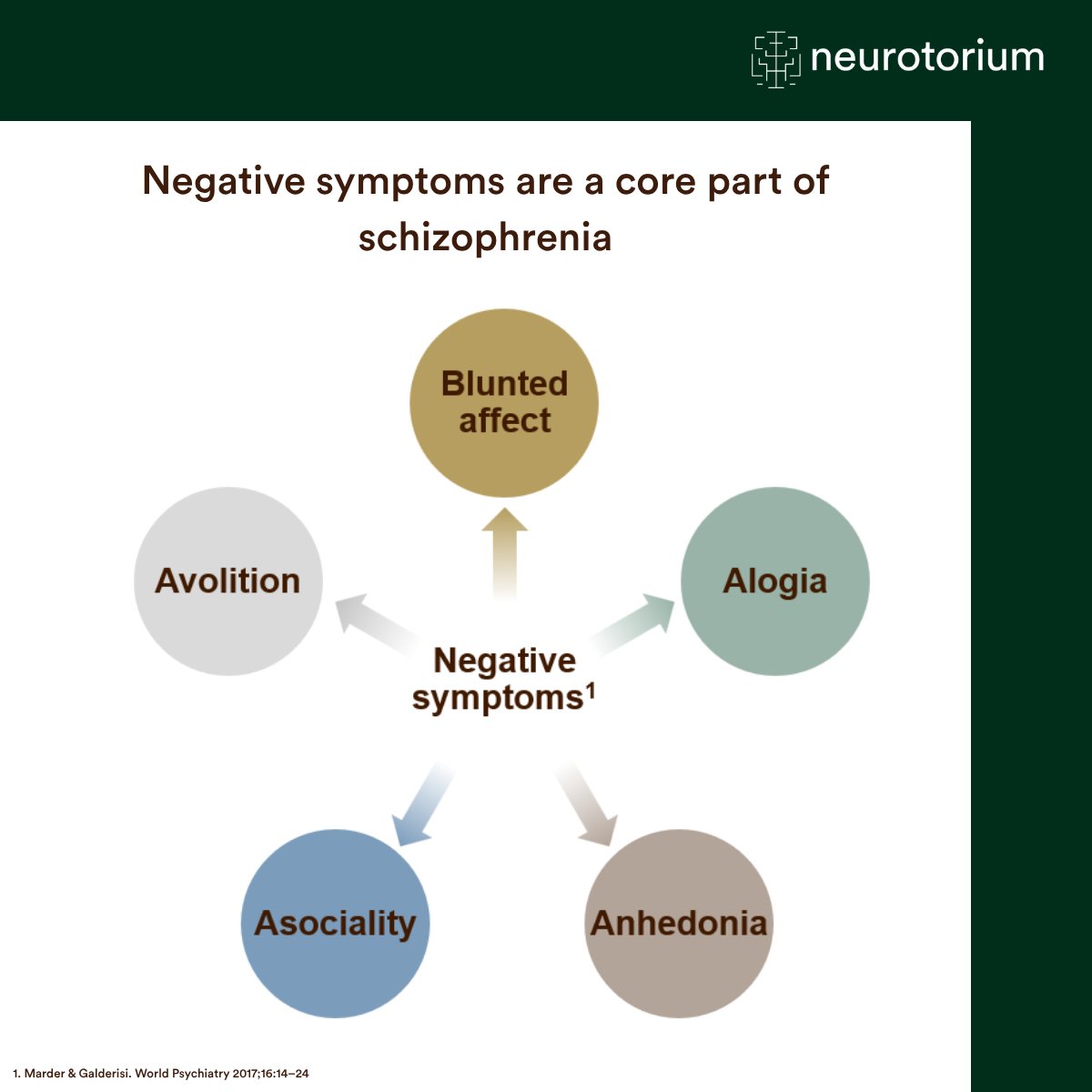
Negative symptoms are a core part of schizophrenia. A European Psychiatric Association guideline on the treatment of negative symptoms in schizophrenia recommends social skills training, exercise, and rehabilitation interventions such as supported employment and cognitive remediation, particularly for those who also show cognitive impairment.1
For pharmacological treatment, low-dose amisulpride (50-300 mg/day) and cariprazine have the best evidence among antipsychotic drugs.2
Adding an antidepressant may be an efficacious adjunctive treatment.3
Related content
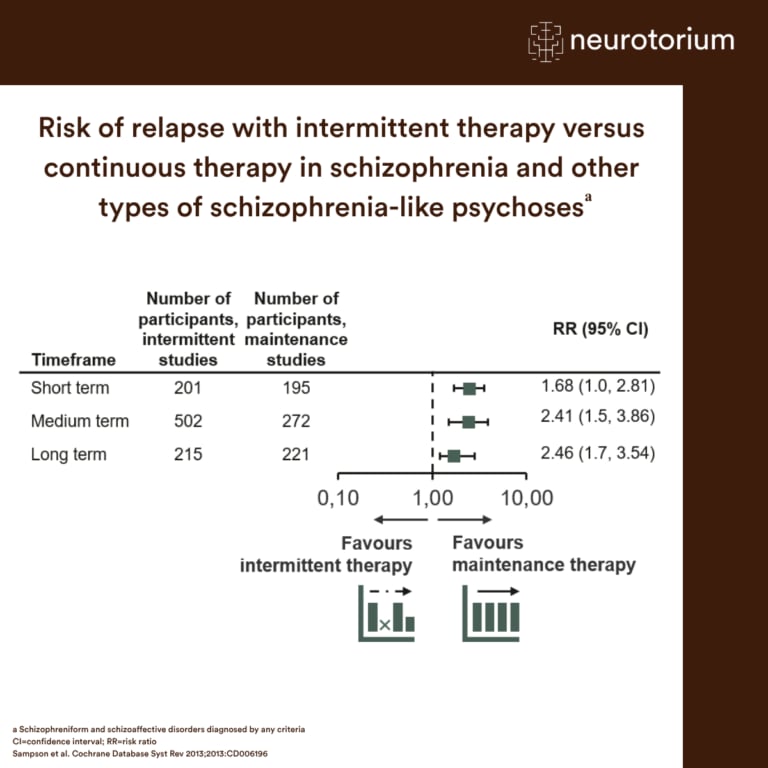
Continuous maintenance therapy is associated with a lower risk of relapse than intermittent treatment, supporting ongoing treatment strategies in schizophrenia and related psychotic disorders.
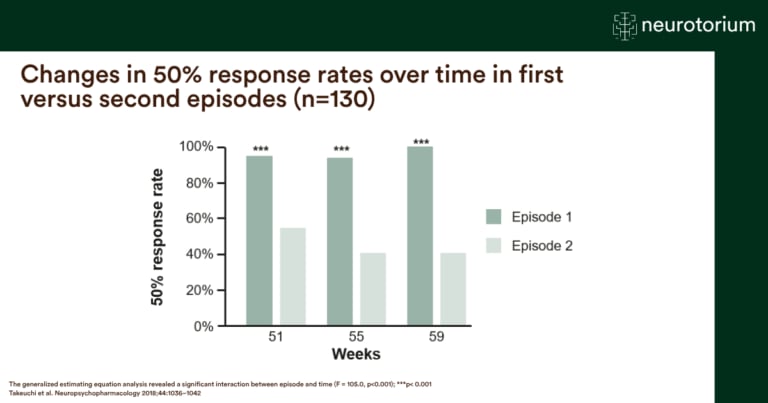
Treatment response tends to be higher during a first episode than during subsequent episodes, emphasizing the importance of early intervention and effective management.

Collaborative care approaches can help address the complex needs of people living with both mental and physical health conditions.