

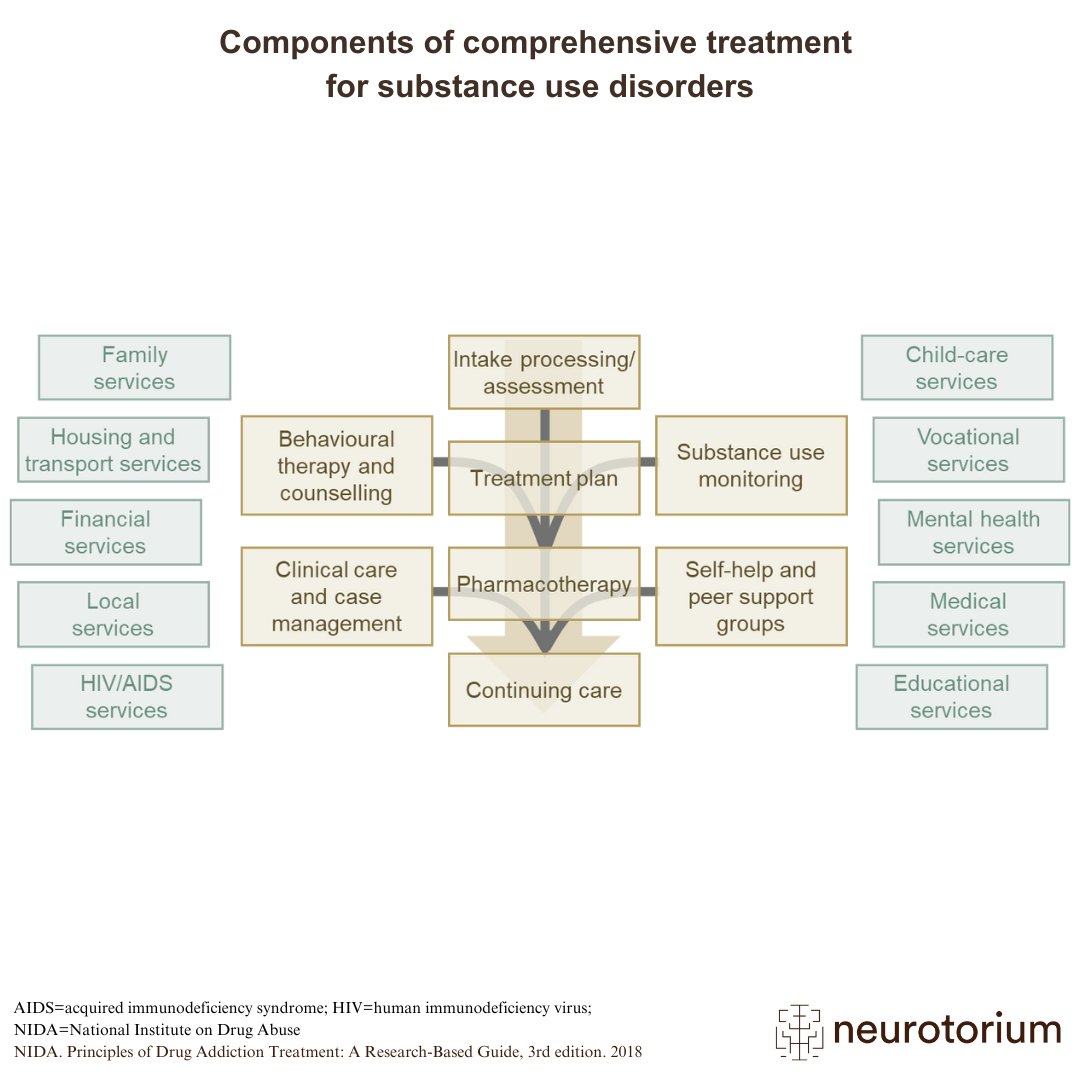
Addiction is typically a long-term illness, often involving relapse; therefore, treatment should not be seen as a single event, but rather a process of intervention and monitoring – highlighting the importance of treatment retention.1
Whatever form it may take, treatment for substance-use disorders is an intervention to help the individual stop seeking and using that substance.1
Related content
Current evidence on the neurobiology of addictive behaviour highlights the transition from reward-driven to habitual drug use through alterations in mesolimbic dopamine, glutamatergic signalling, frontostriatal circuitry, and stress-related systems.
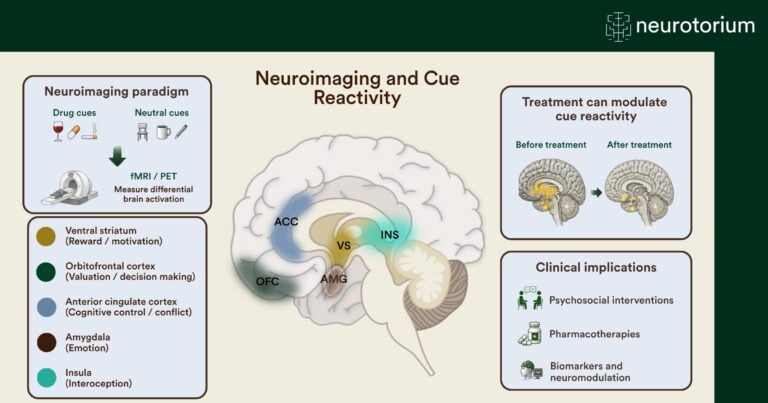
Functional neuroimaging studies commonly compare brain responses to substance-related cues versus neutral cues during fMRI or PET scanning and measure differential brain activation.
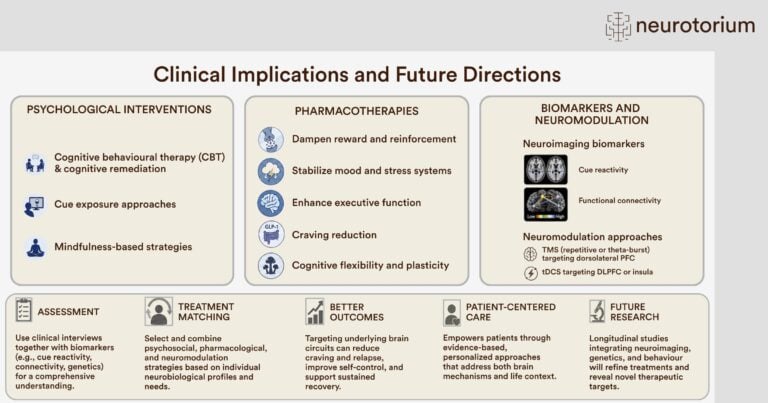
Recognition of addiction as a disorder of distributed brain circuits provides a framework for personalized assessment and treatment of addiction.