


Multifaceted issues faced by patients with Parkinson’s disease (PD) and genetics knowledge, using the examples of GBA1– and PRKN-related PD, can be applied clinically to aid personalized management. This includes a better understanding of the disease course and prognostication; enhanced selection and informed decision-making for treatments like deep brain stimulation (DBS); improved diagnosis in patients with atypical clinical features; assisting in family planning; and allaying anxiety, fear, or guilt.1,2
Related content
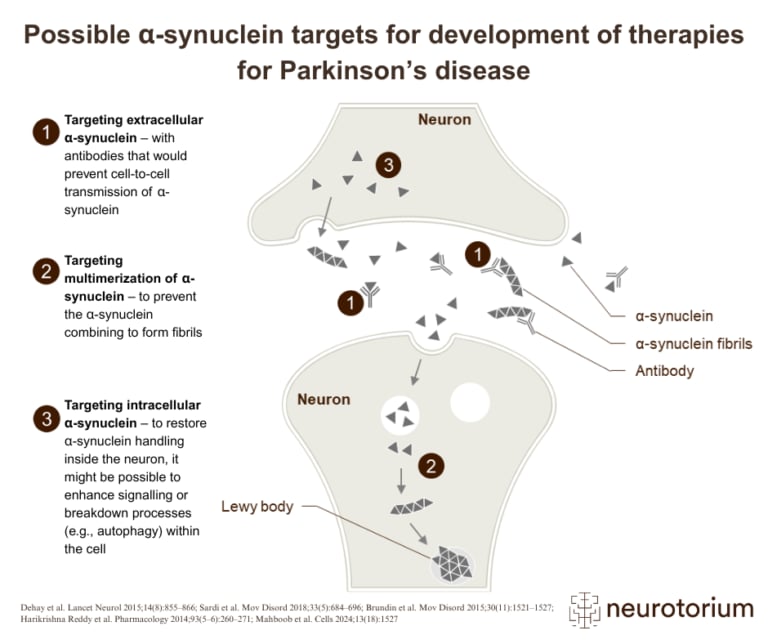
Overview of three therapeutic strategies targeting alpha-synuclein in the development of disease-modifying treatments for Parkinson’s disease
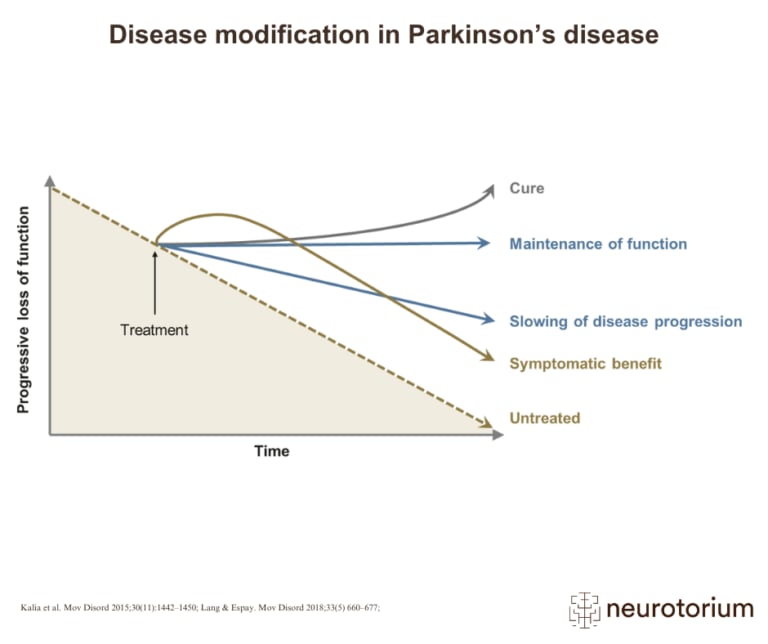
Graphical representation of how various treatment strategies can impact disease progression in Parkinson’s disease, from symptom relief to potential cure
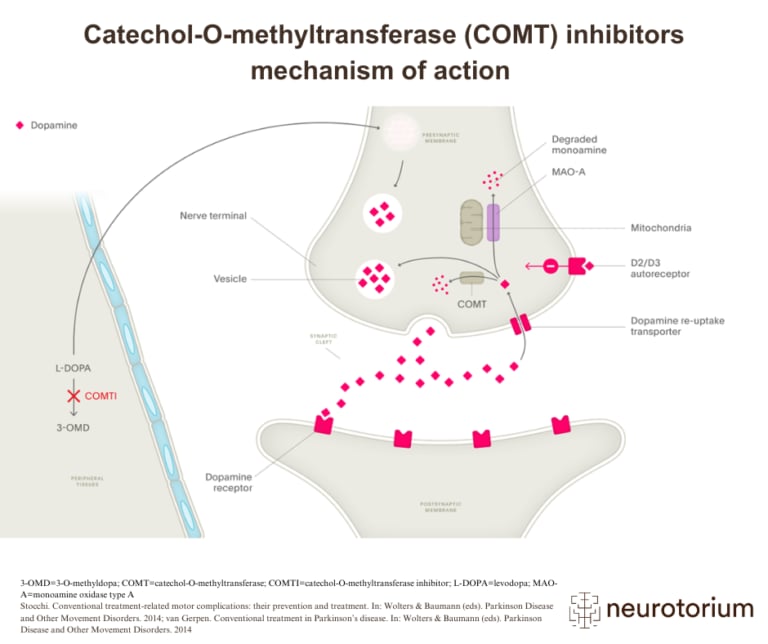
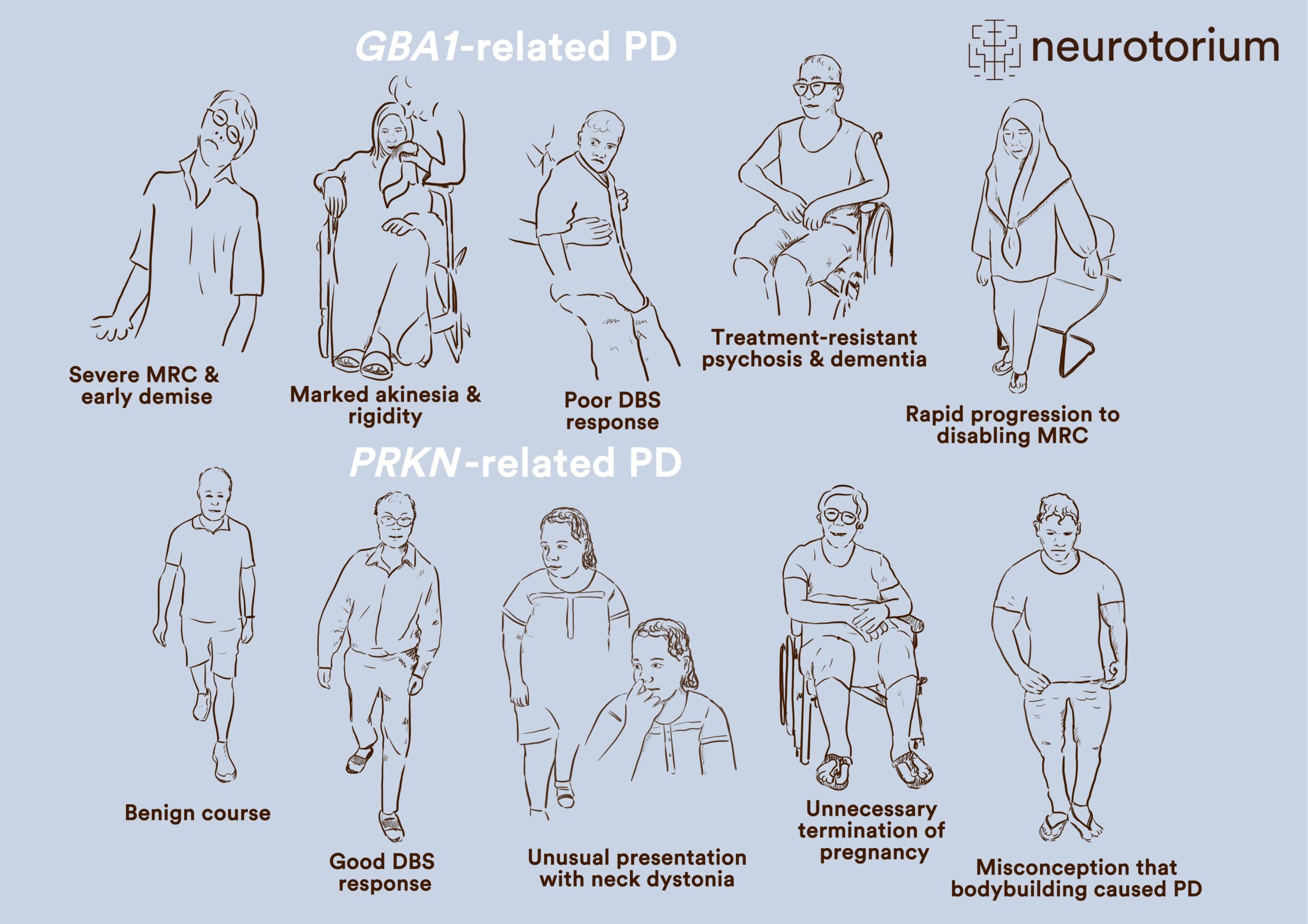
Illustration of how COMT inhibitors increase dopamine availability in Parkinson’s disease by preventing the breakdown of L-DOPA