


Epileptogenesis is the process by which the brain develops epilepsy, often divided into:2,3
- Acute insult (e.g., head injury, febrile seizures)
- A latent period, lasting months or sometimes years
- Spontaneous seizures
Epileptogenesis appears to be driven by a wide array of changes to neuronal and non-neuronal cells, at the levels of the cell, the pathways within the cell, and genetics.1 The cause of epilepsy in many cases is unknown, but several factors are known to trigger seizures (e.g., stroke, infections, and inflammation), as well as genetic causes – there are >500 genes that have been associated with epilepsy and an increased risk of epilepsy.1
Many neurophysiological changes occur within the brain during seizures, a range of interacting changes including some that compensate for others, which together drive epilepsy pathology.1 The wideness of the range of known epileptogenic mechanisms suggests a complex web of interacting pathology that drives the development of epilepsy.1
DNA=deoxyribonucleic acid; JAK-STAT=Janus kinase – signal transducer and activator of transcription; mTOR=mechanistic target of rapamycin; REST=RE1‑silencing transcription factor; RNA=ribonucleic acid; TGFβ=transforming growth factor-β
Related content
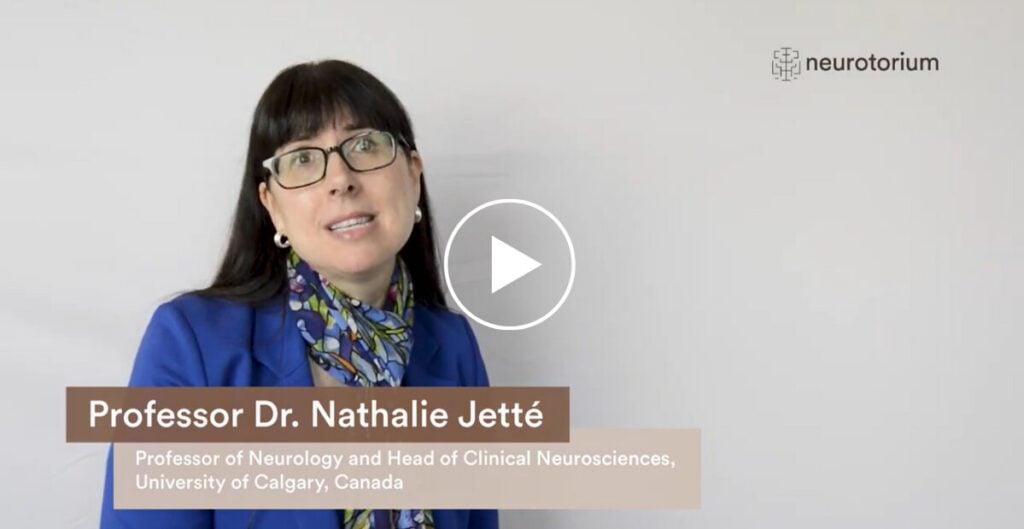
In this video, Professor Dr. Nathalie Jetté reviews depression as a common yet often under-recognized comorbidity in epilepsy.
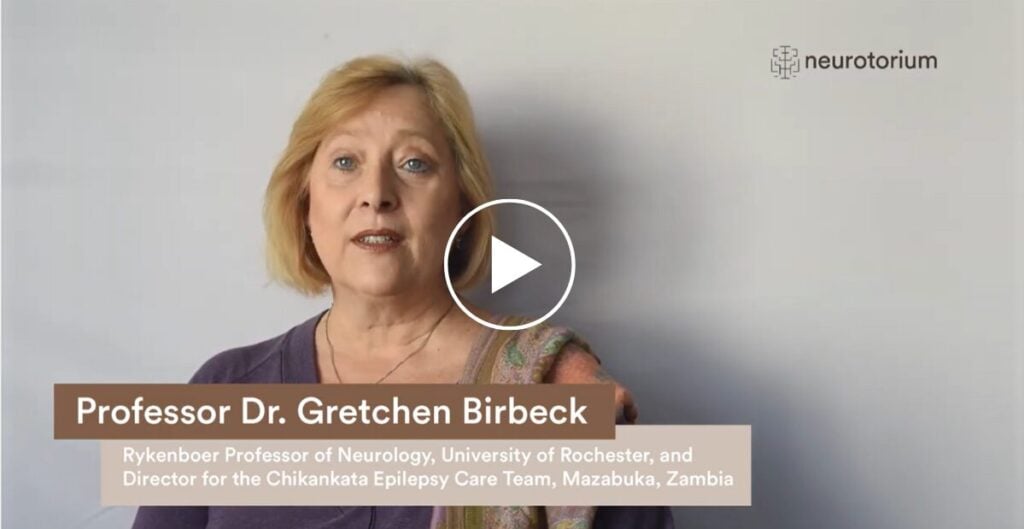
In this video, Professor Dr. Gretchen Birbeck examines epilepsy-associated stigma as a global public-health challenge

In this video, Professor Dr. Jacqueline French reviews practical, first-line decision-making for anti-seizure medication selection