

In this video, Professor Dr. Nathalie Jetté reviews depression as a common yet often under-recognized comorbidity in epilepsy. She notes that roughly one in three people with epilepsy meet criteria for depression at any given time, yet many are not screened in routine neurology care and a substantial proportion remain untreated. Practical assessment options are highlighted, such as structured/semi-structured interviews (MINI, SCID) and free tools such as the NDDI-E and PHQ-9. Understanding and treating depression in epilepsy is critically important, as it is linked to poorer response to anti-seizure medicines, more adverse effects, lower quality of life, and increased suicide risk.
Related content
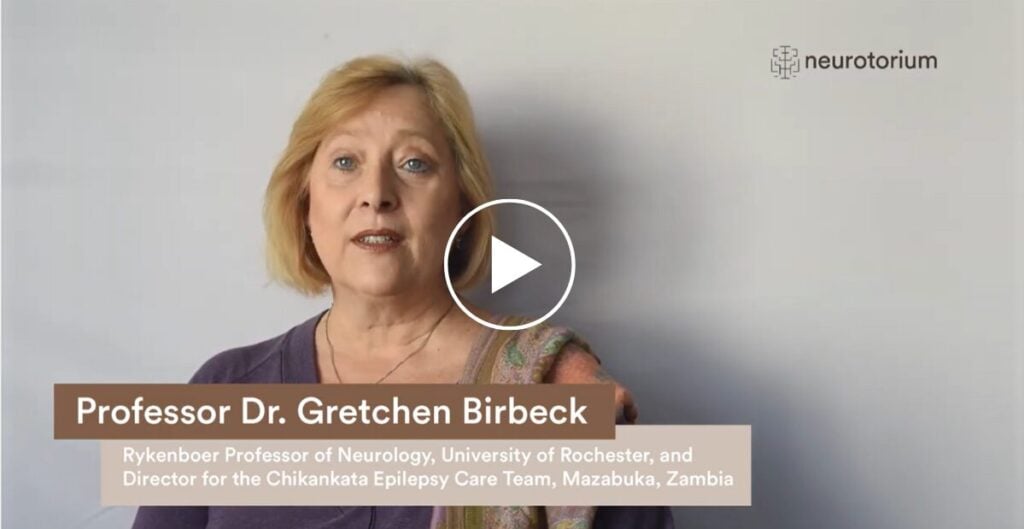
In this video, Professor Dr. Gretchen Birbeck examines epilepsy-associated stigma as a global public-health challenge
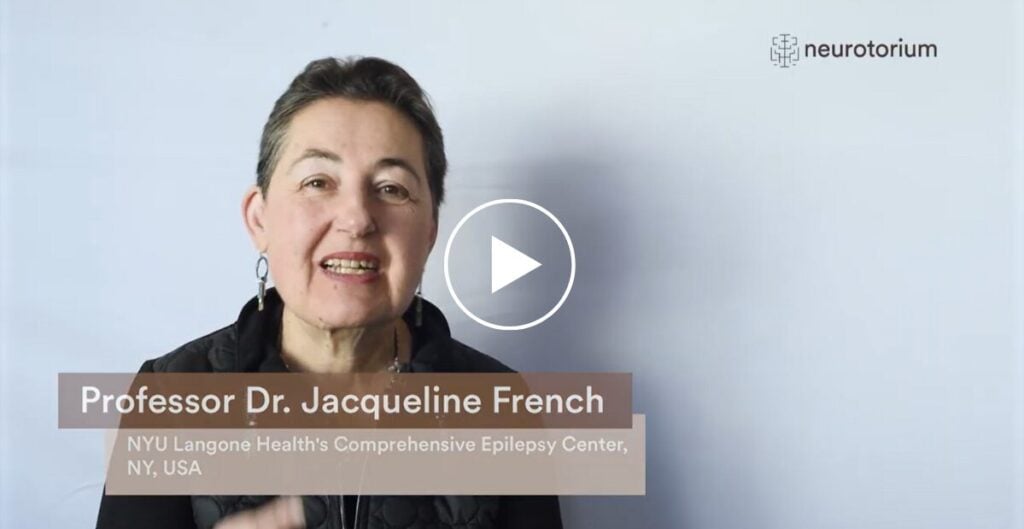
In this video, Professor Dr. Jacqueline French reviews practical, first-line decision-making for anti-seizure medication selection
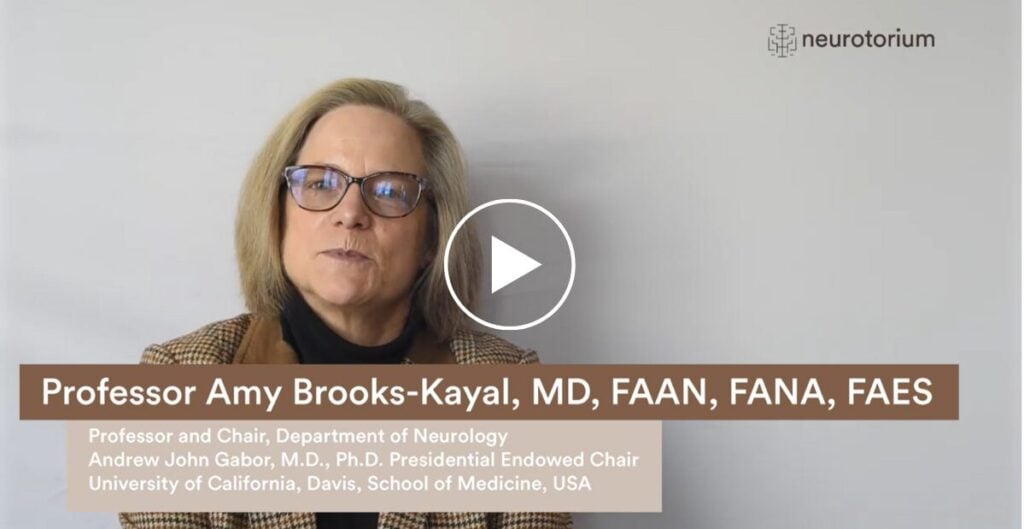
In this video, Professor Dr. Amy Brooks-Kayal outlines the field’s shift from seizure control to true disease modification in epilepsy.