

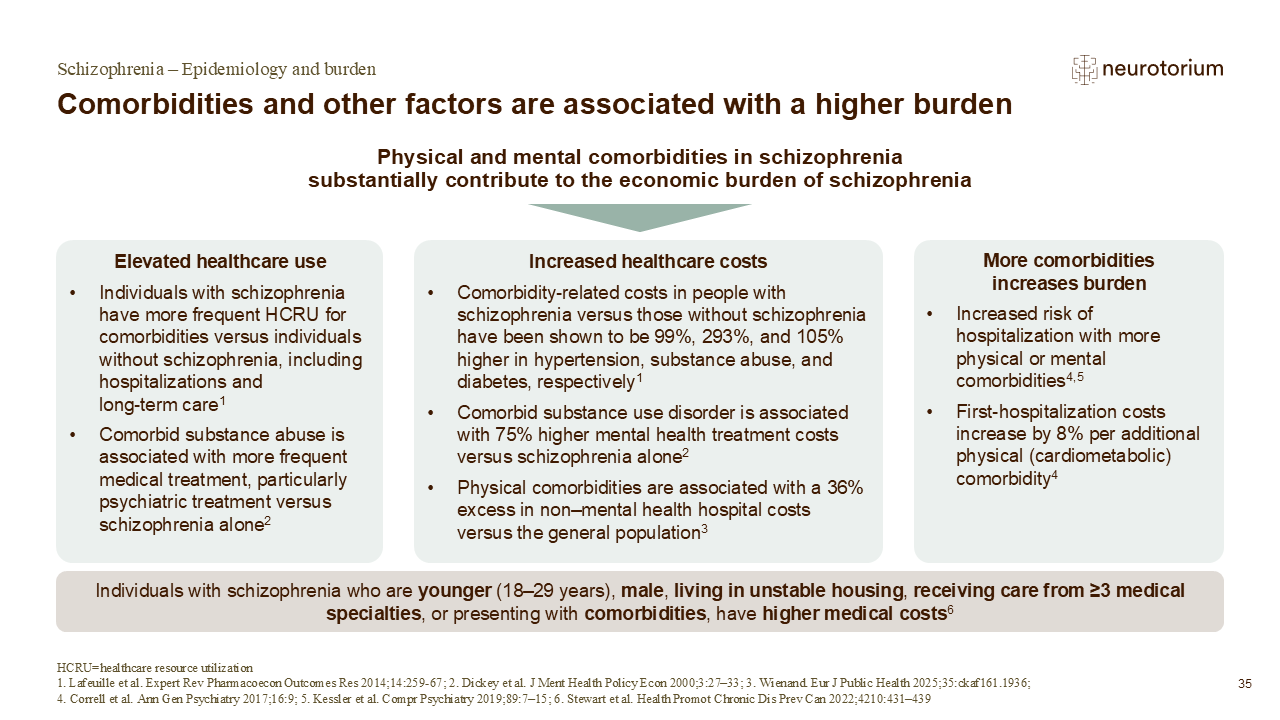
Individuals living with schizophrenia tend to have high rates of medical comorbidities and mortality. Multiple behavioural and treatment-related factors contribute to medical comorbidities including overeating, sedentary lifestyle, high smoking rates, inadequate medical care, and medication side effects (such as cardiovascular risk associated with antipsychotics).1 Comorbidities commonly identified include alcohol and substance abuse, diabetes, chronic obstructive pulmonary disease, cardiovascular disease (hypertension, congestive heart failure), hyperlipidaemia, obesity, HIV, and hepatitis C.1 In a US cohort of 57,506 patients with schizophrenia, 66.1% had ≥1 cardiometabolic comorbidity; over one-third had ≥2.4 Another US-based study (1997–2003) of 2,327 patients with schizophrenia found that 39.4% of people were depressed at enrolment, with poor mental and physical health.7
Comorbid substance abuse is associated with increased treatment for asthma, GI diseases, skin infections, and acute respiratory disease; and increased risk of hospitalization for diabetes, GI disorders, skin infections, and injury/poisoning,2 which may further contribute to the overall economic burden of schizophrenia.
Abbreviations: GI=gastrointestinal; HIV=human immunodeficiency virus; US=United States
References: