


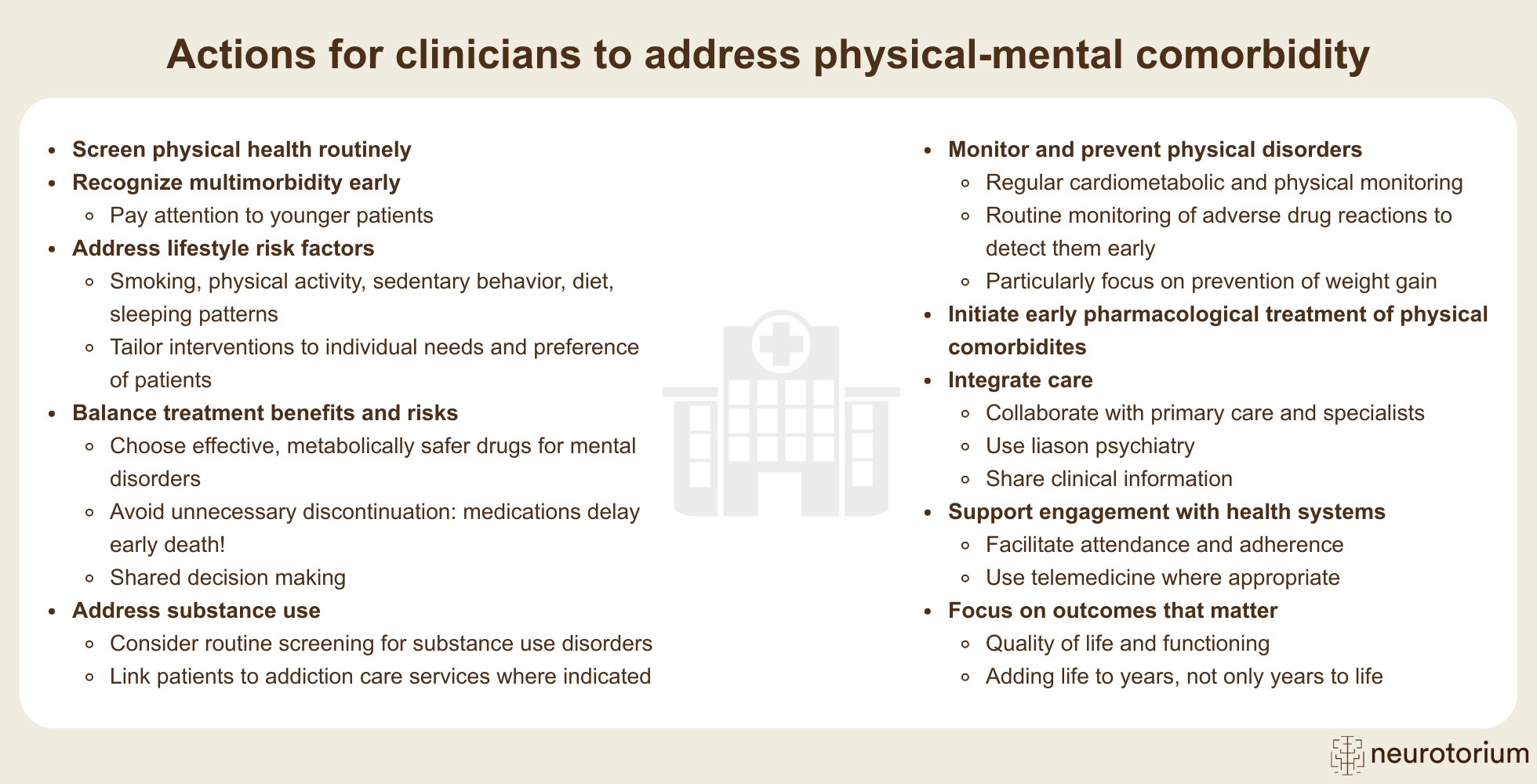
Key strategies include routine physical health screening, prevention and ongoing monitoring of physical disorders, addressing lifestyle risk factors and substance use, and ensuring early identification and treatment of physical comorbidities. It is also essential to balance treatment benefits and risks by selecting effective and metabolically safer treatments for mental disorders, avoiding unnecessary discontinuation, and engaging patients in shared decision-making. Integrated and collaborative care models, such as liaison psychiatry and close coordination with primary care and specialist services, support comprehensive and coordinated management. Collectively, these actions should aim to improve quality of life, functioning, and long-term health outcomes, adding life to years, not only years to life.
Related content
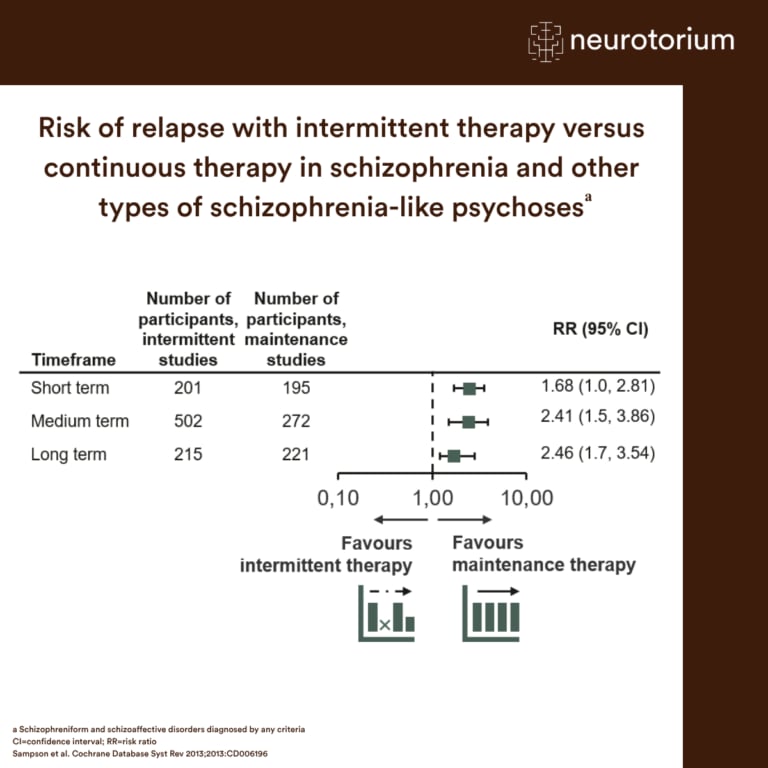
Continuous maintenance therapy is associated with a lower risk of relapse than intermittent treatment, supporting ongoing treatment strategies in schizophrenia and related psychotic disorders.
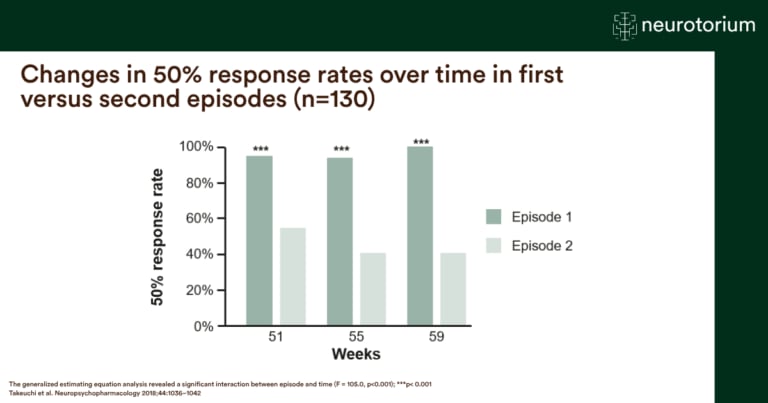
Treatment response tends to be higher during a first episode than during subsequent episodes, emphasizing the importance of early intervention and effective management.
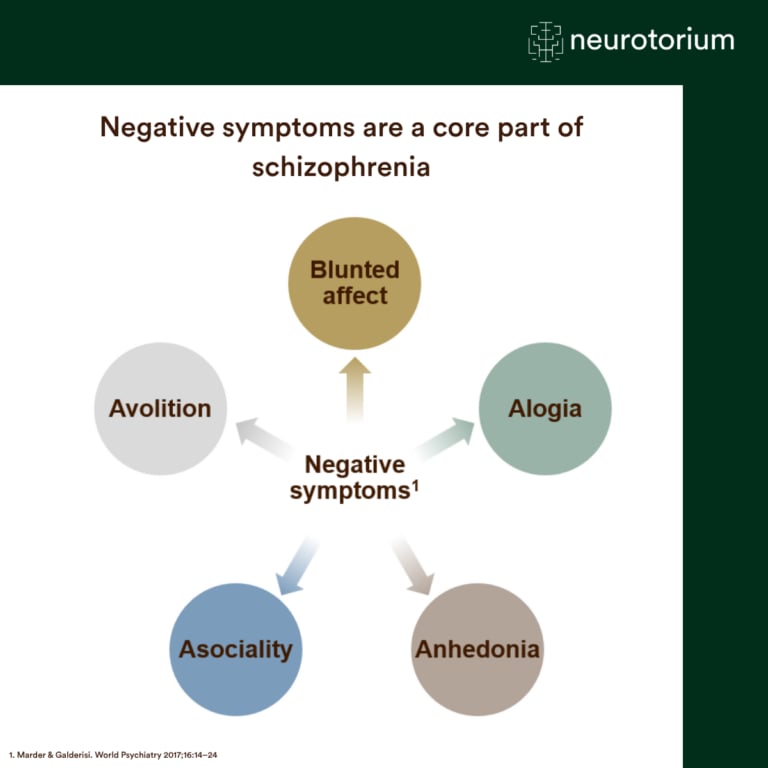
Negative symptoms are a core feature of schizophrenia and can have a profound impact on functioning, social relationships, and quality of life.