

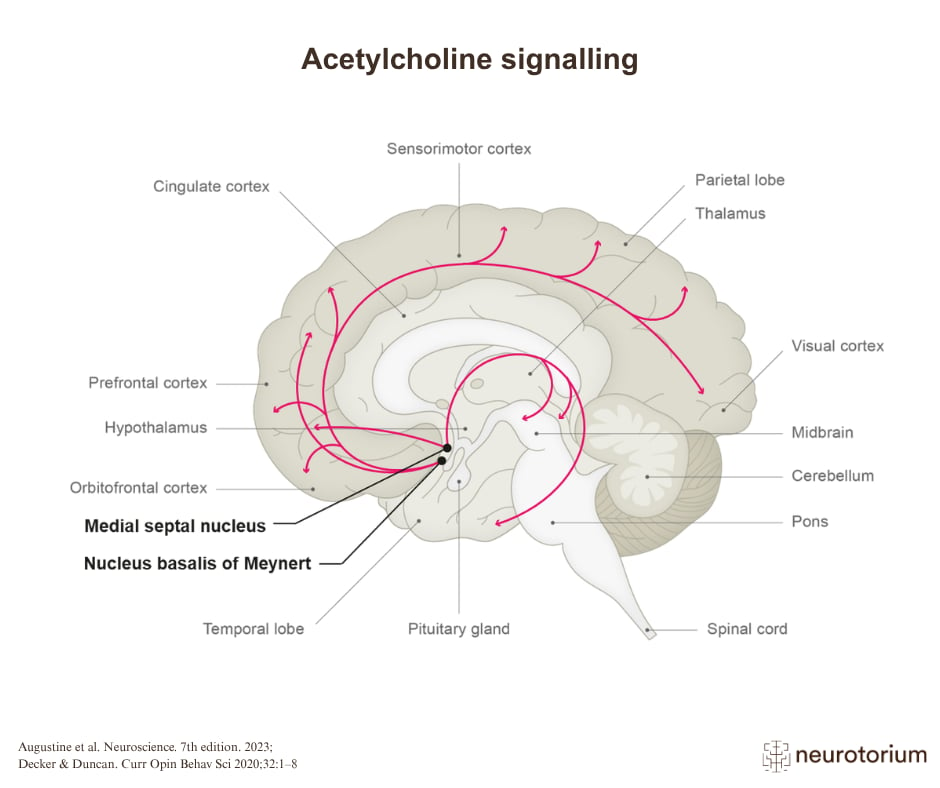
Acetylcholine is used throughout the nervous system at skeletal neuromuscular junctions, and within the central nervous system1. In the CNS, Acetylcholine acts mainly via muscarinic (metabotropic) and nicotinic (ionotropic) receptors.1,2
Acetylcholine is synthesized in nerve terminals from acetyl coenzyme A (produced from glucose) and choline.1 Acetylcholine is removed from the synapse by AChE.1
Involved in memory and attention within the brain and muscle contraction at the neuromuscular junction.1,2
Related content
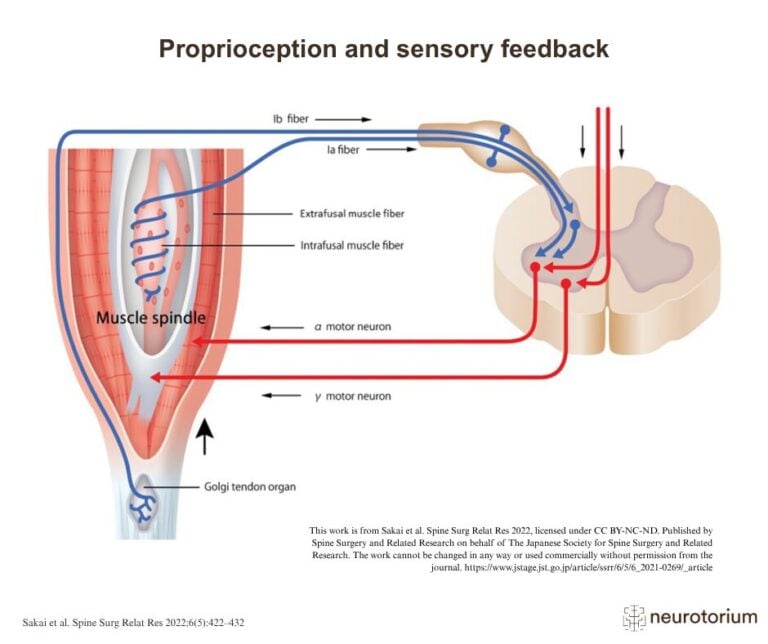
Controlled movement relies on sensory feedback, particularly proprioception (the sense of body position in space and movement).
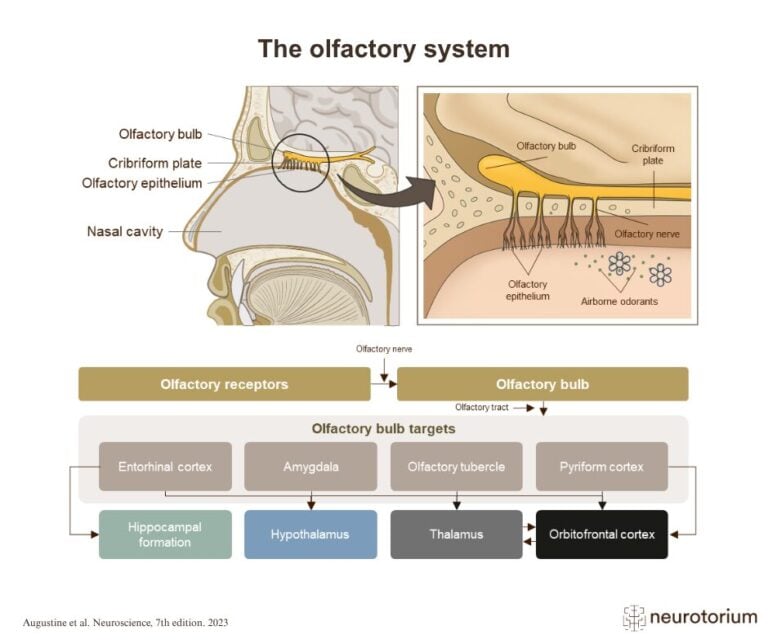
The olfactory system detects airborne odor molecules in the nasal cavity and transmits this information to the olfactory bulb. From there, signals are relayed to several brain regions involved in smell perception, memory, emotion, and behaviour.
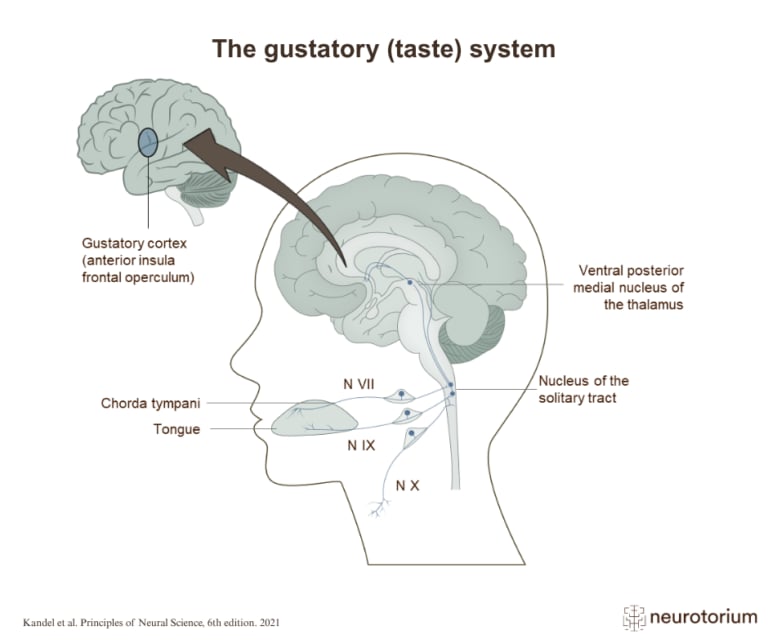
The gustatory system detects taste stimuli on the tongue and relays this information through brainstem and thalamic pathways to the gustatory cortex.