

Schizophrenia is a chronic mental health condition that comprises positive symptoms, negative symptoms, motor symptoms, and a global cognitive deficit.1 In 2019, schizophrenia ranked as the 20th leading cause of disability globally2 affected individuals experience a reduction in life expectancy of >15 years.3 Alongside disease burden, individuals with schizophrenia experience a range of psychiatric and somatic comorbidities.4,5
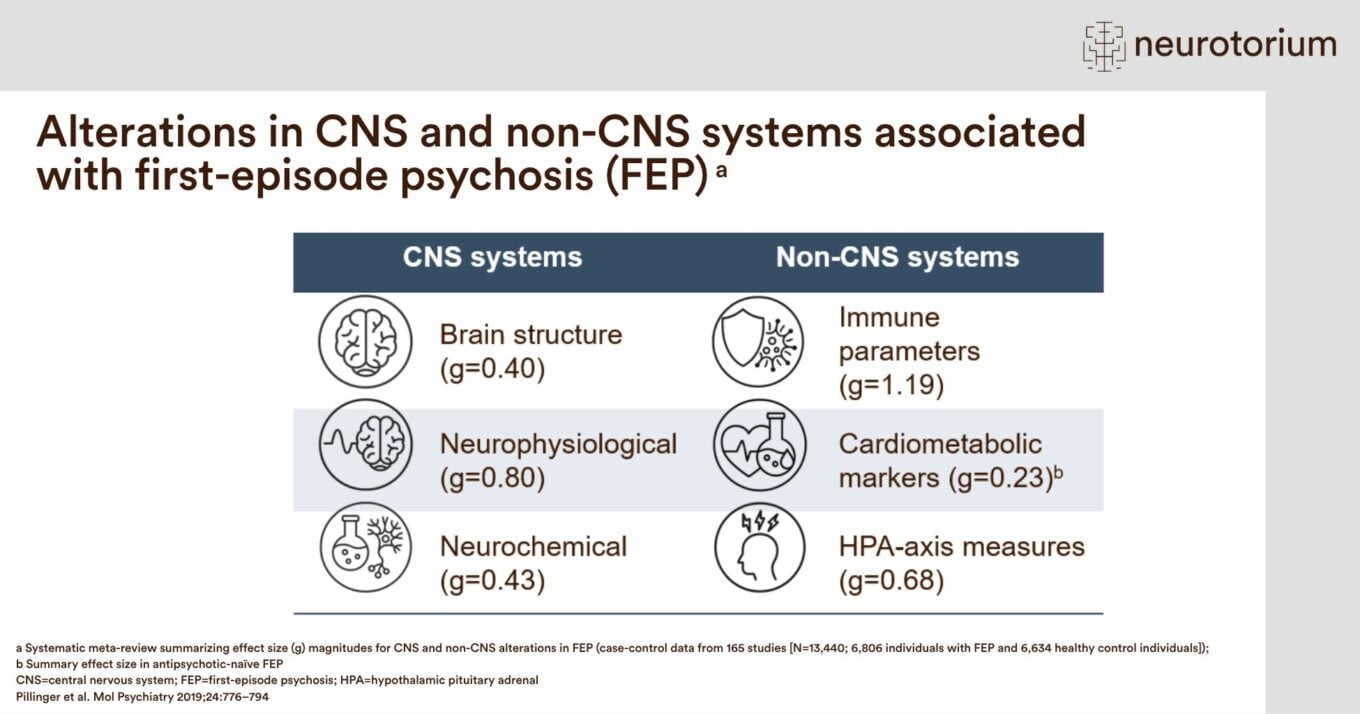
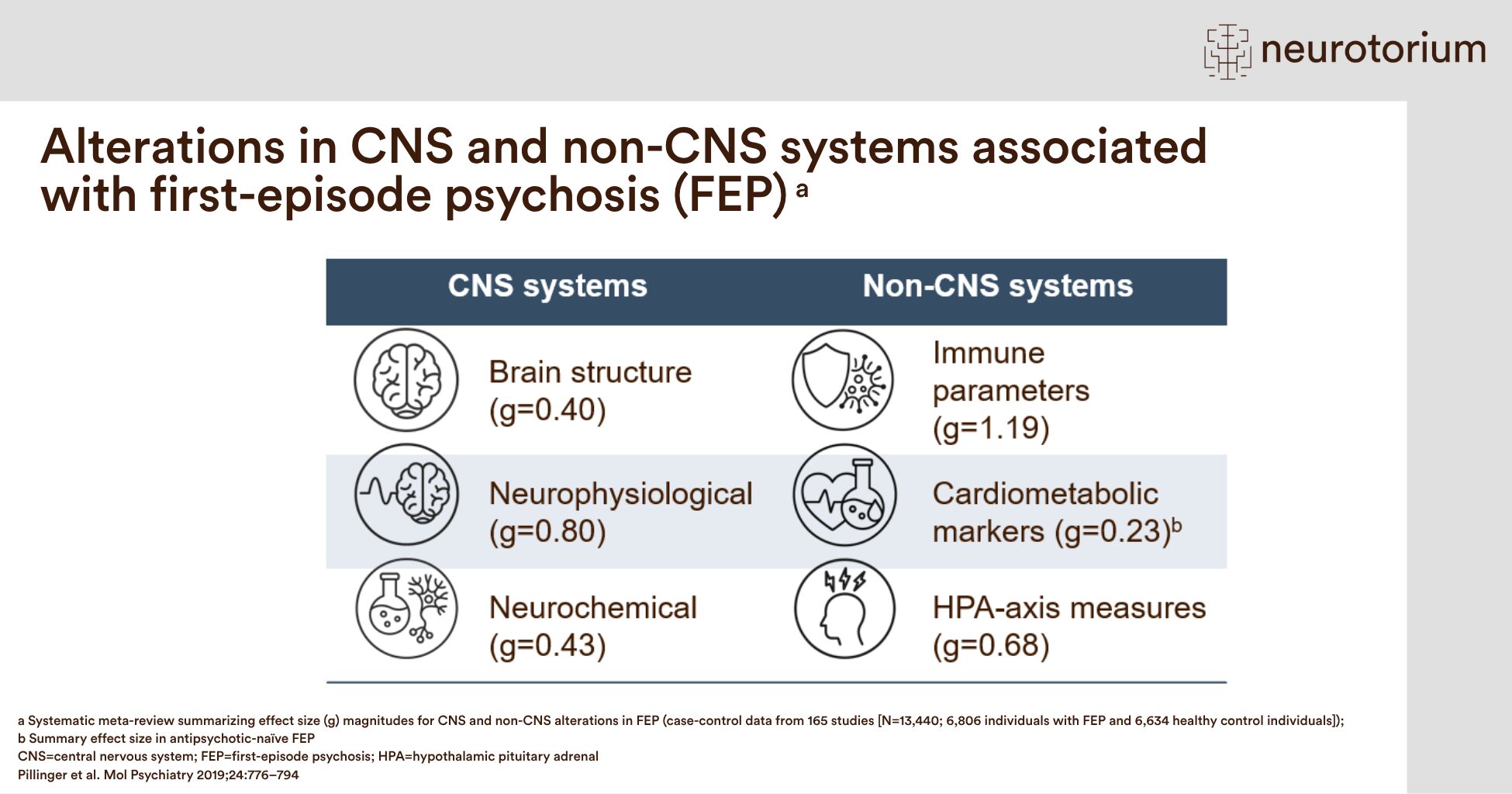
Schizophrenia is reportedly associated with >1.5 times the odds of comorbidities across multiple disease categories,6 and is linked to broad, multi‑system increases in natural‑cause mortality.7 First-Episode Psychosis (FEP) is associated with pronounced alterations in non‑CNS systems, which are broadly comparable in magnitude to those observed in the CNS.8 Relative to healthy controls, individuals with FEP exhibited alterations across CNS and non-CNS systems.8,a
a. Systematic meta-review summarizing effect size (g) magnitudes for CNS and non-CNS alterations in FEP (case-control data from 165 studies [N=13,440; 6,806 individuals with FEP and 6,634 healthy control individuals]);8
b. Summary effect size in antipsychotic-naïve FEP8
CNS=central nervous system; HPA=hypothalamic pituitary adrenal.
Related content
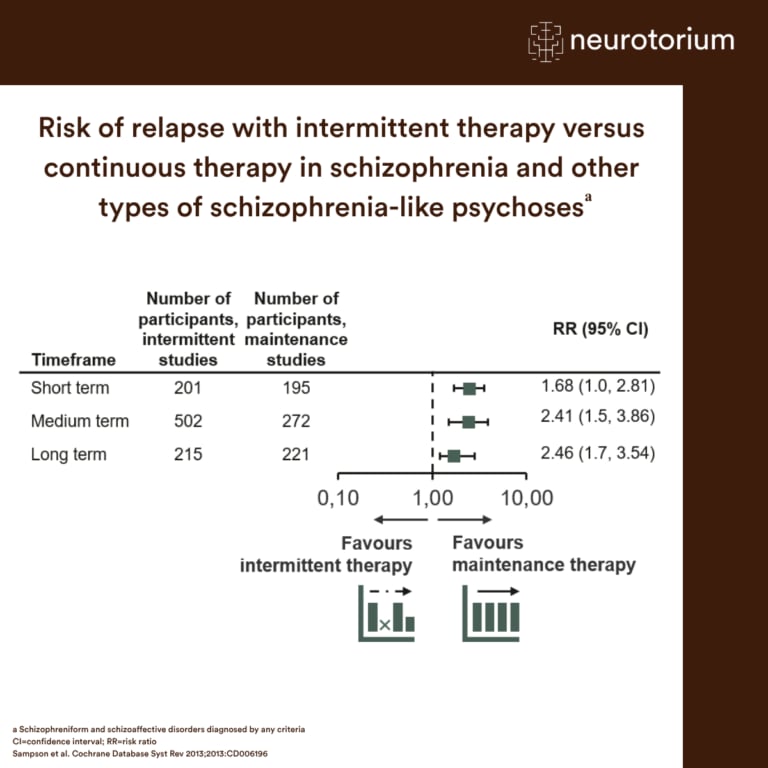
Continuous maintenance therapy is associated with a lower risk of relapse than intermittent treatment, supporting ongoing treatment strategies in schizophrenia and related psychotic disorders.
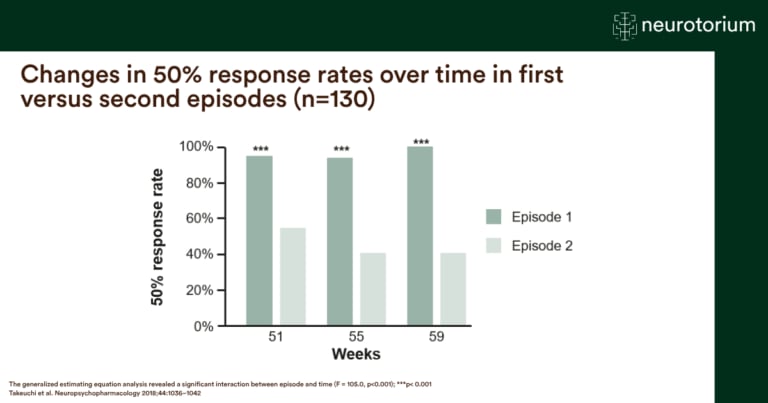
Treatment response tends to be higher during a first episode than during subsequent episodes, emphasizing the importance of early intervention and effective management.
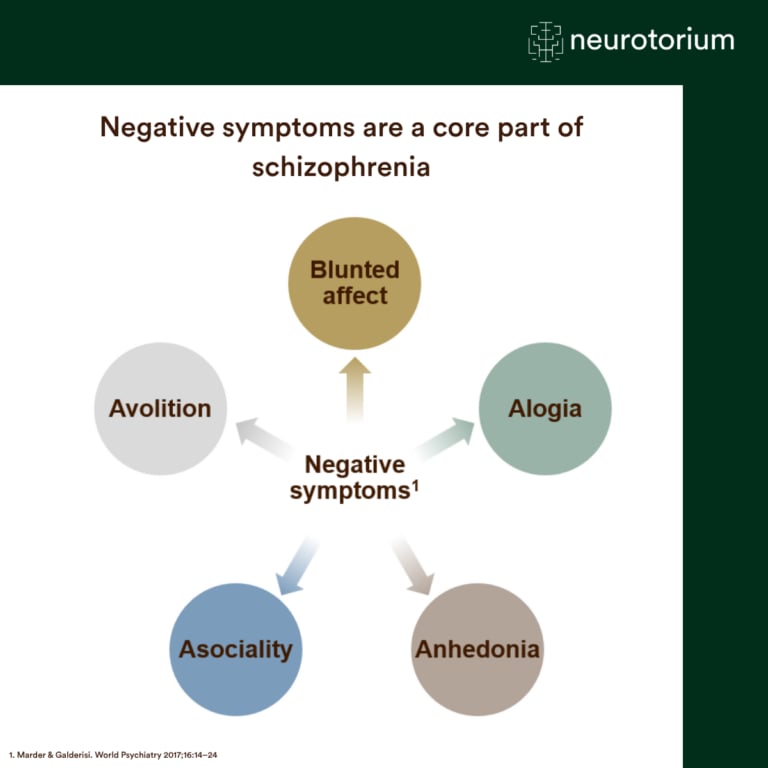
Negative symptoms are a core feature of schizophrenia and can have a profound impact on functioning, social relationships, and quality of life.