

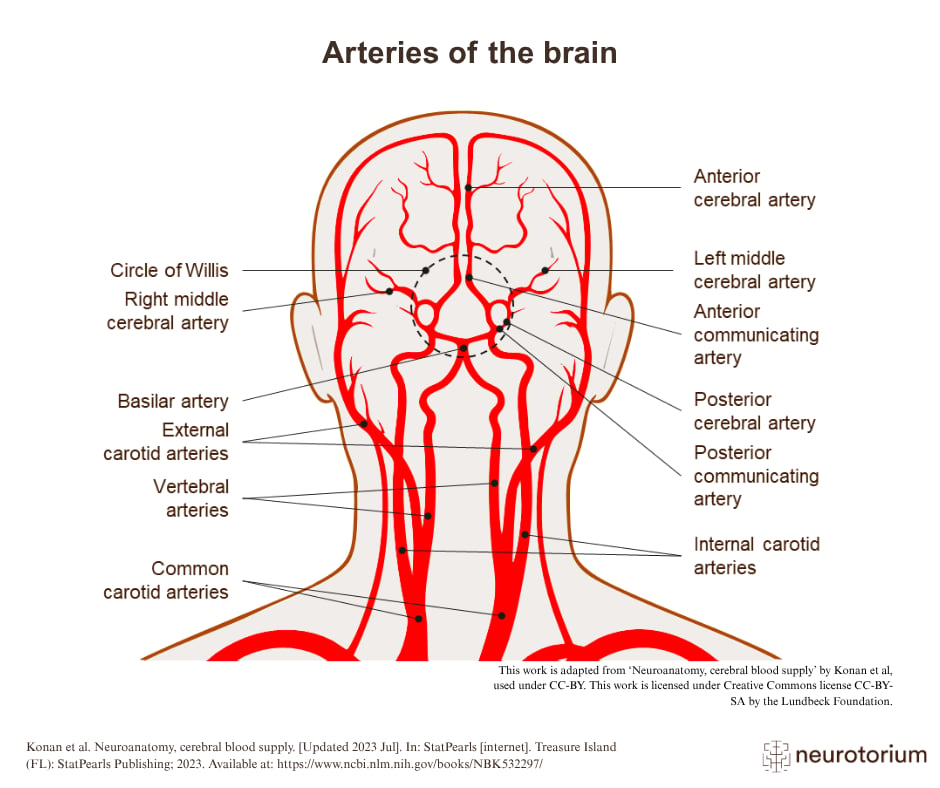
The brain receives oxygenated blood primarily through the internal carotid arteries and the vertebral arteries1 Deoxygenated blood exits the brain through a network of superficial and deep veins that drain into the dural venous sinuses, which then flow into the internal jugular vein to return blood to the heart1.
The arteries of the brain supply oxygen and nutrients to neural tissue while also removing carbon dioxide and metabolic waste products. Brain capillaries additionally contribute to the formation of the blood–brain barrier, which helps regulate the passage of substances between the bloodstream and the brain.1,2
Clinical relevance:
Stroke: blockage (ischaemic stroke) or rupture (haemorrhagic stroke) of the cerebrovasculature, which can result in brain damage and death3. An aneurysm is the dilation of a blood vessel (usually an artery)1. Large aneurysms may cause symptoms by compression of adjacent structures such as cranial nerve roots1.
Related content
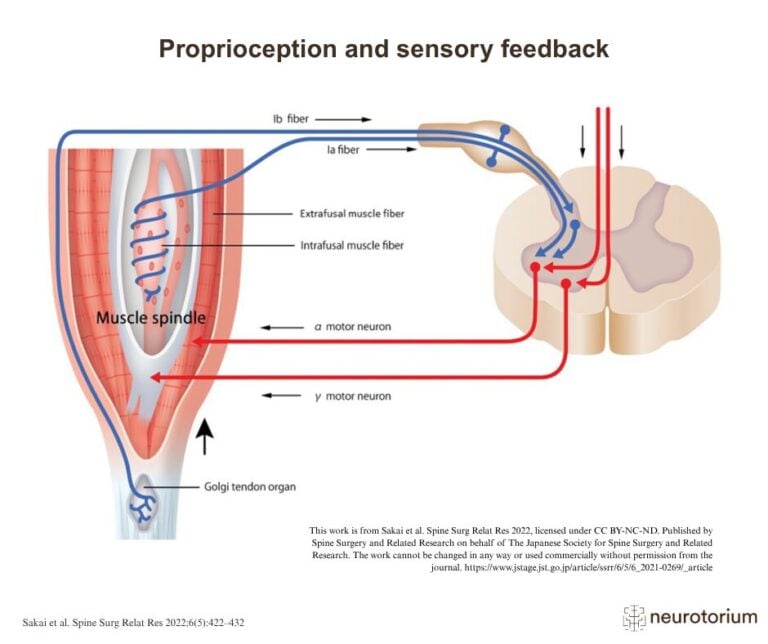
Controlled movement relies on sensory feedback, particularly proprioception (the sense of body position in space and movement).
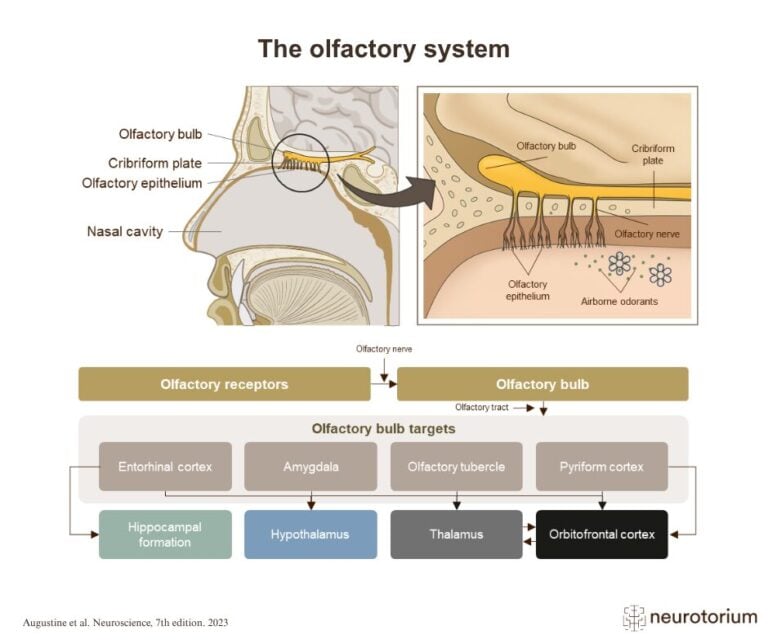
The olfactory system detects airborne odor molecules in the nasal cavity and transmits this information to the olfactory bulb. From there, signals are relayed to several brain regions involved in smell perception, memory, emotion, and behaviour.
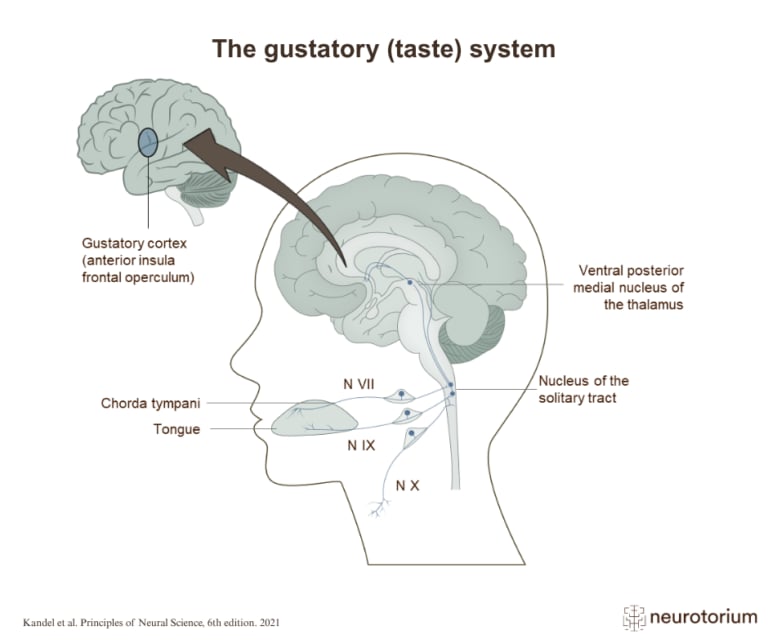
The gustatory system detects taste stimuli on the tongue and relays this information through brainstem and thalamic pathways to the gustatory cortex.