

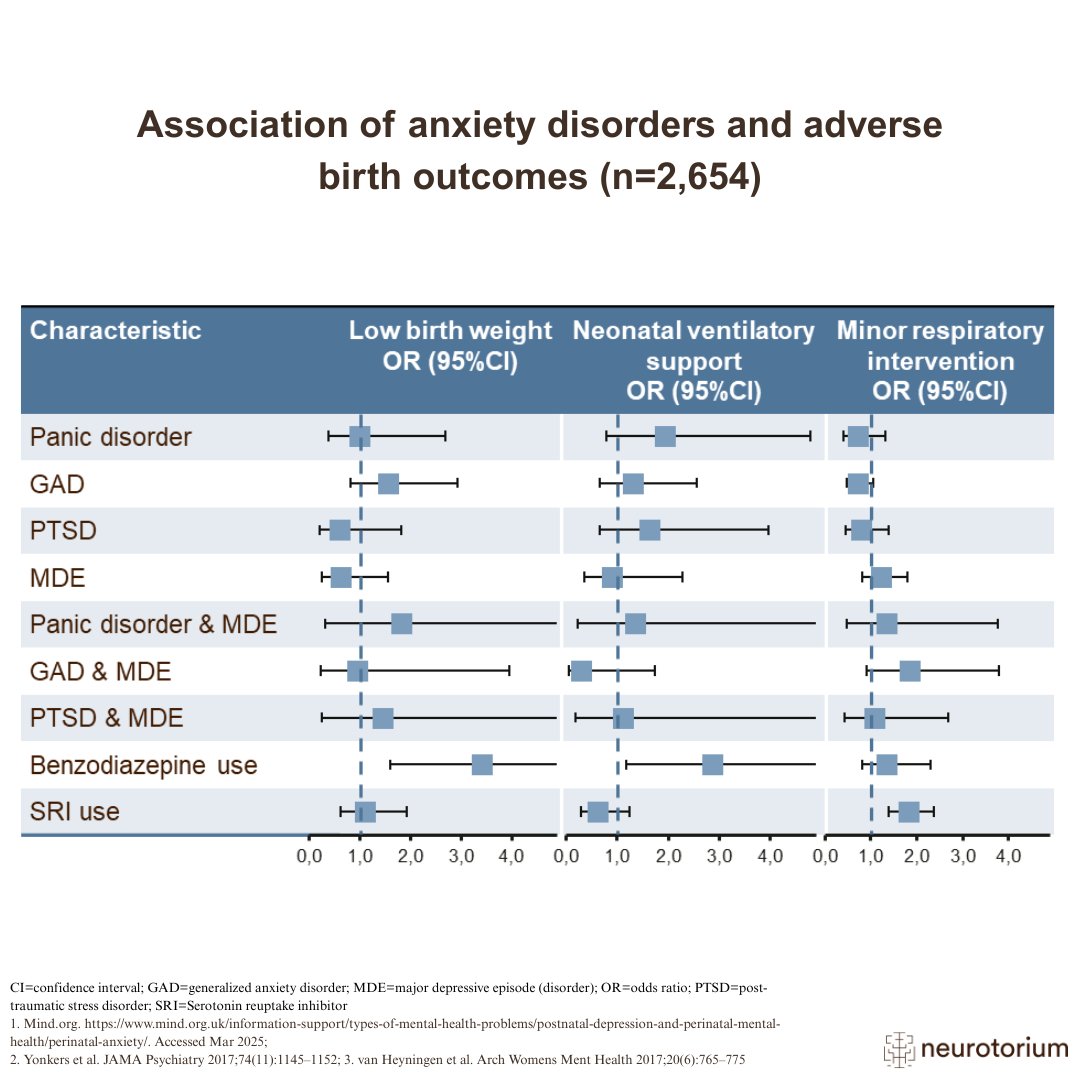
Worry is a common component of pregnancy, driven by concerns about becoming a parent or worrying about a baby’s health.1,2
Symptoms of peripartum anxiety can include churning stomach, dizziness, headaches, palpitations, sweating, sleep problems, nausea, and panic attacks.1 The predictors for peripartum anxiety include a history of mental health and psychosocial problems.3 However, although common in pregnant women, the presence of panic disorder or GAD did not contribute to adverse outcomes in pregnancy in this study.2
CI=confidence interval; GAD=generalized anxiety disorder; MDE=major depressive episode (disorder); OR=odds ratio; PTSD=post-traumatic stress disorder; SRI=Serotonin reuptake inhibitor
Related content

Decades of twin and family research have established that anxiety disorders run in families and are meaningfully influenced by genetic factors. Family and twin studies suggest an increased recurrence risk for first degree relatives of patients with anxiety to develop any anxiety disorders.
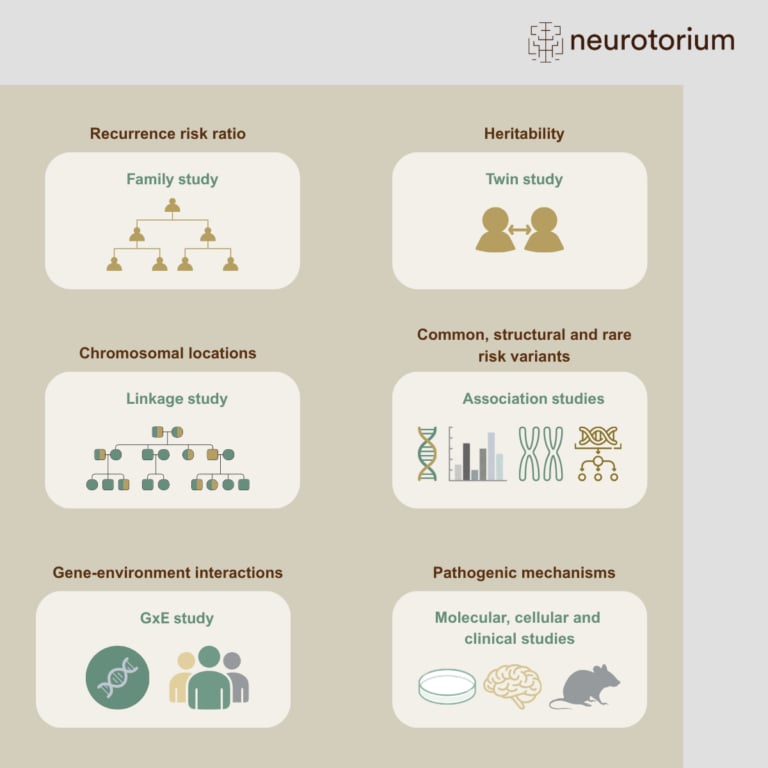
Family and twin studies estimate recurrence risk and heritability, showing that anxiety disorders aggregate in families and have a moderate genetic component.
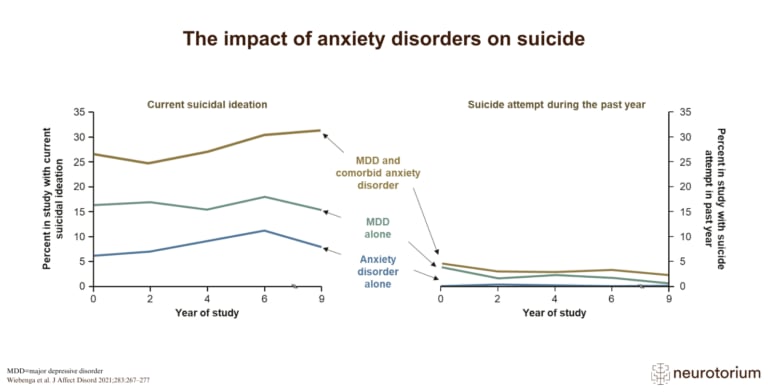
Suicidal ideation is far more common than attempts in people with anxiety or depression, especially with comorbid disorders and severe depression.