

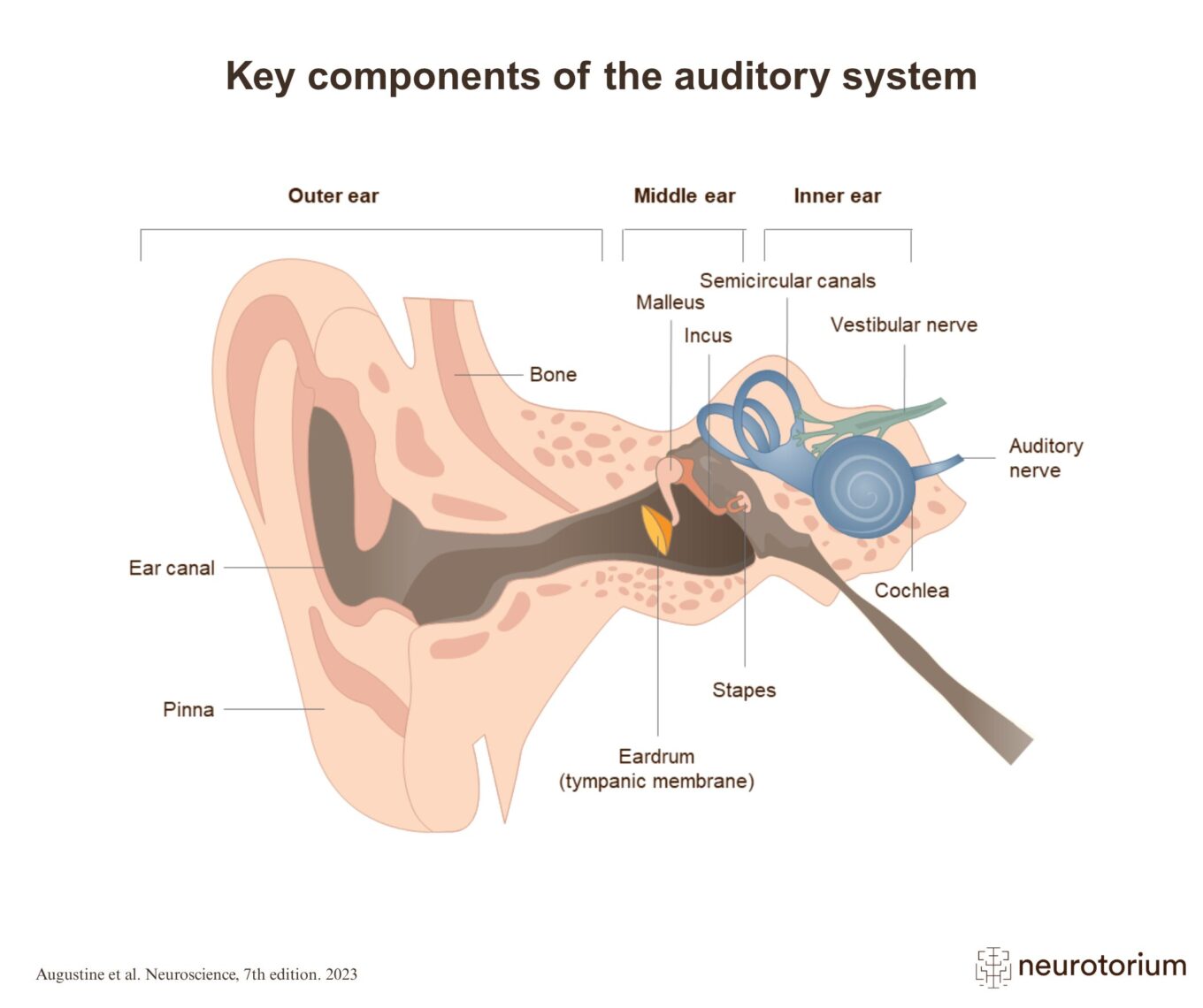
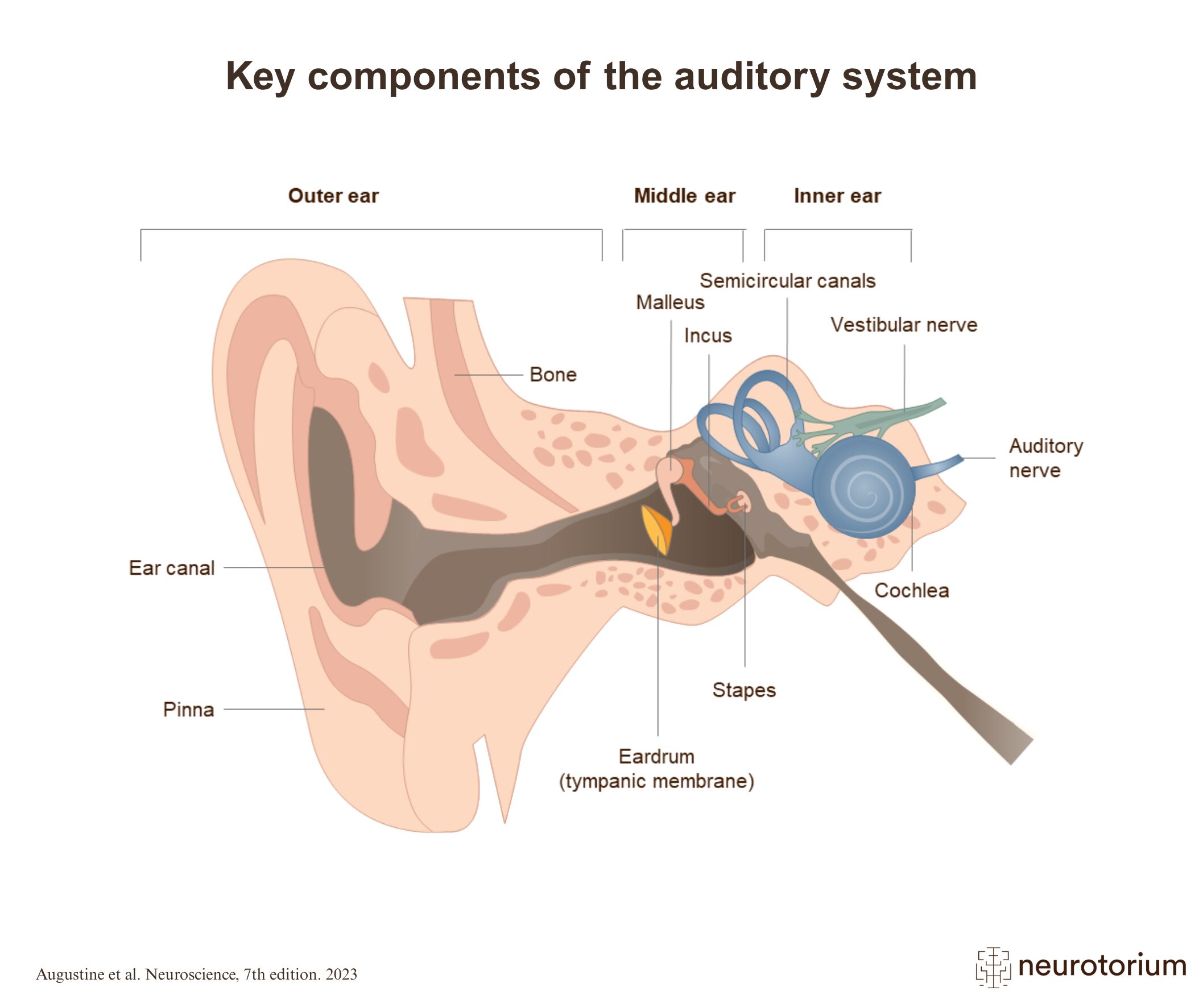
The auditory system is responsible for the sense of hearing. Key components of the auditory system include:
- Outer ear: Captures sound waves from the environment and focuses them on the eardrum
- Middle ear: Amplifies sound vibrations and transmits them to the inner ear
- Inner ear: Transduces sound vibrations and physical motion into neural signals through hair cells, sensory receptors located inside a coiled structure called the cochlea.
The neural signals then travel to the brain, where they are processed to generate sound perception and localization. Structures in the inner ear are also key components of the vestibular system, which processes sensory information related to self-motion, head position, and spatial orientation relative to gravity
Adults with normal hearing can detect sounds falling within the frequency range of 20 to 20,000 Hz; the higher end of the audible range usually decreases slightly with age.1
Related content
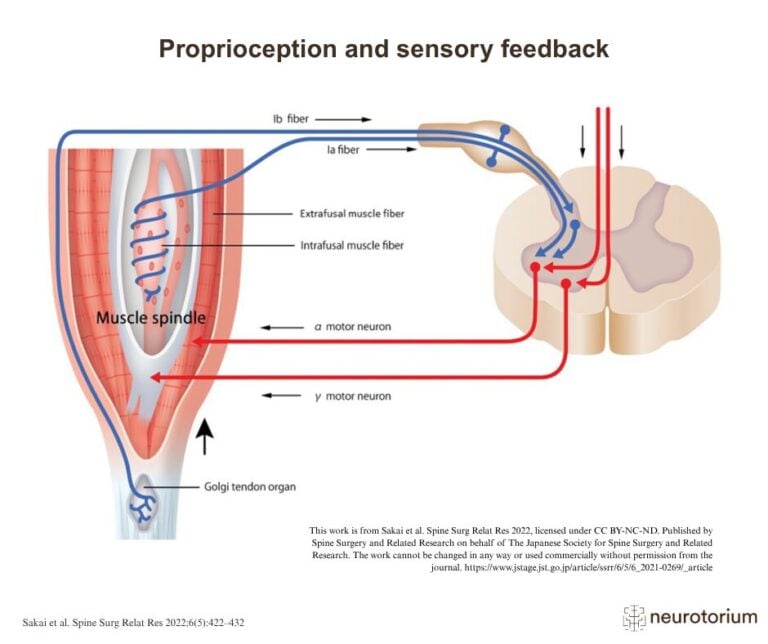
Controlled movement relies on sensory feedback, particularly proprioception (the sense of body position in space and movement).
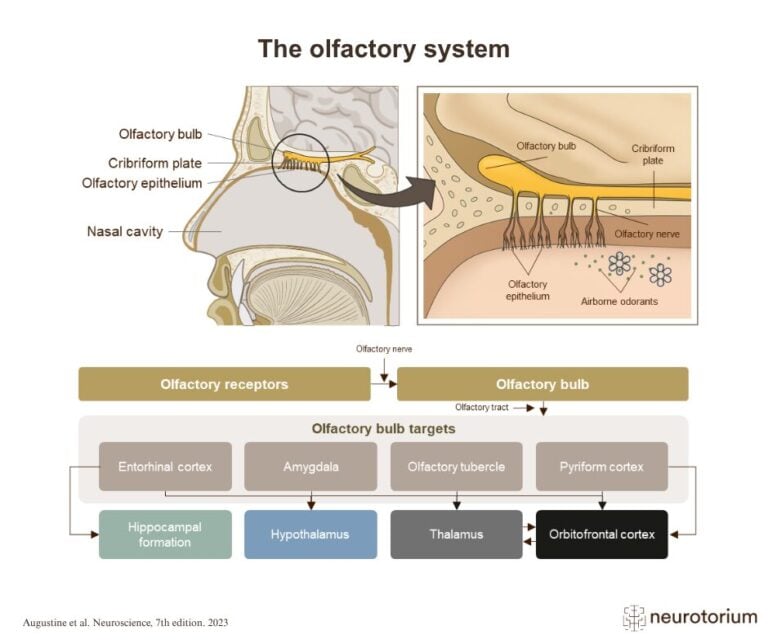
The olfactory system detects airborne odor molecules in the nasal cavity and transmits this information to the olfactory bulb. From there, signals are relayed to several brain regions involved in smell perception, memory, emotion, and behaviour.
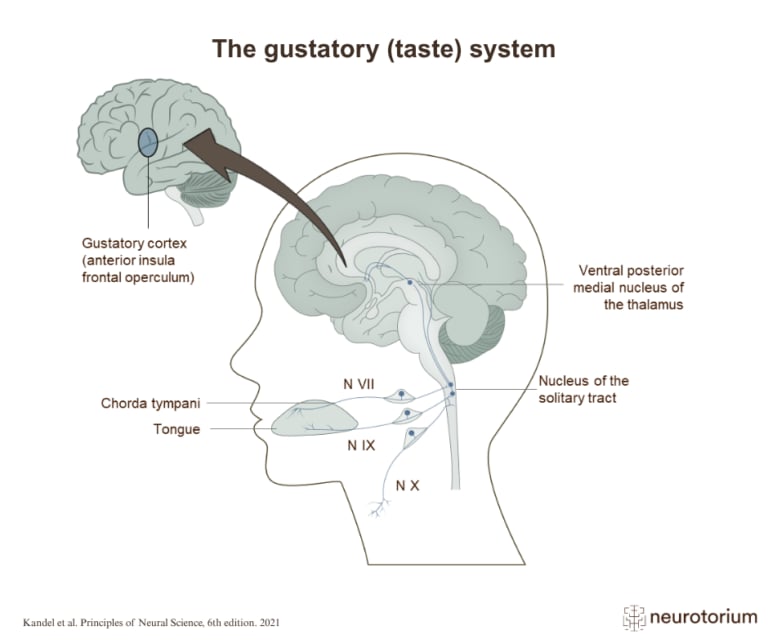
The gustatory system detects taste stimuli on the tongue and relays this information through brainstem and thalamic pathways to the gustatory cortex.