

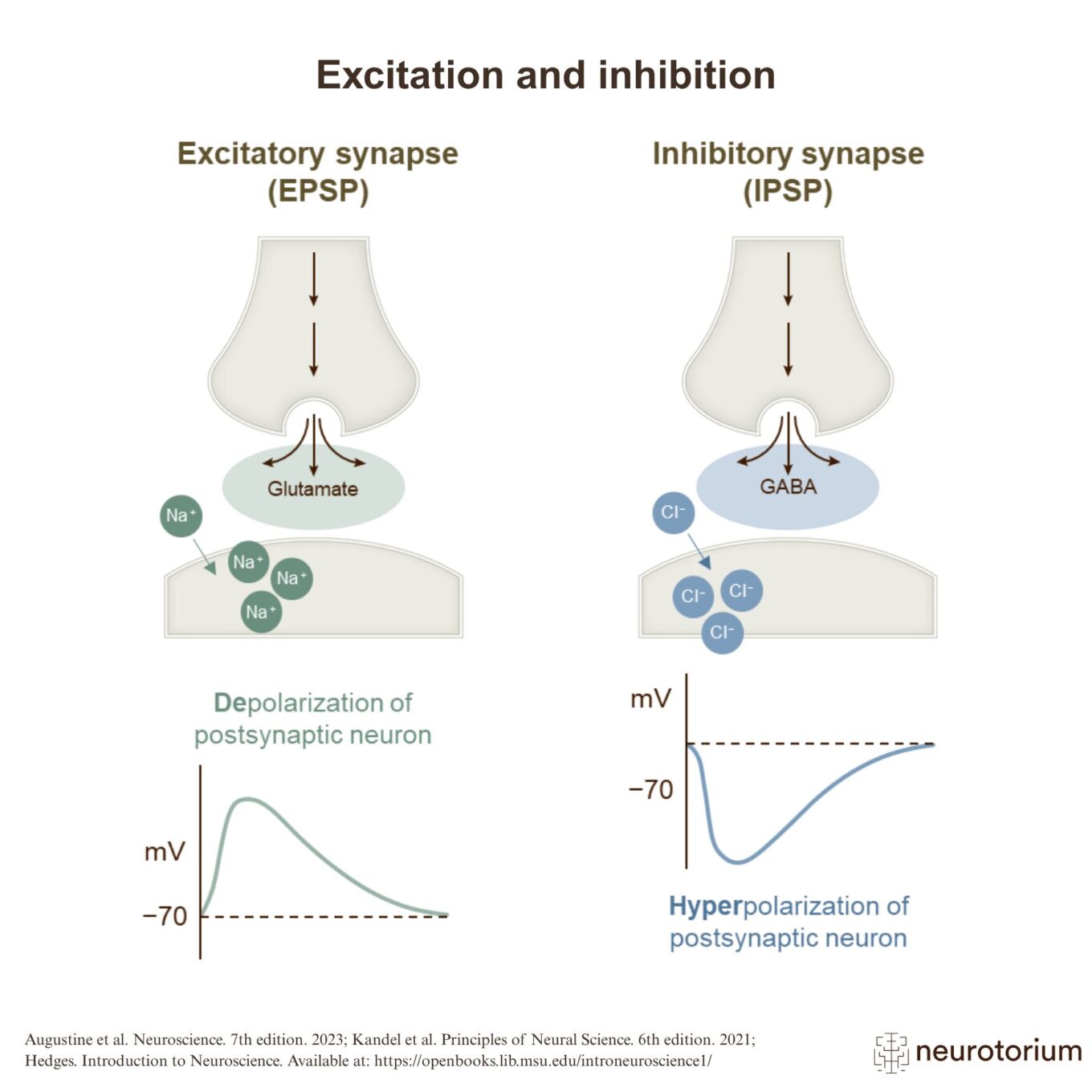
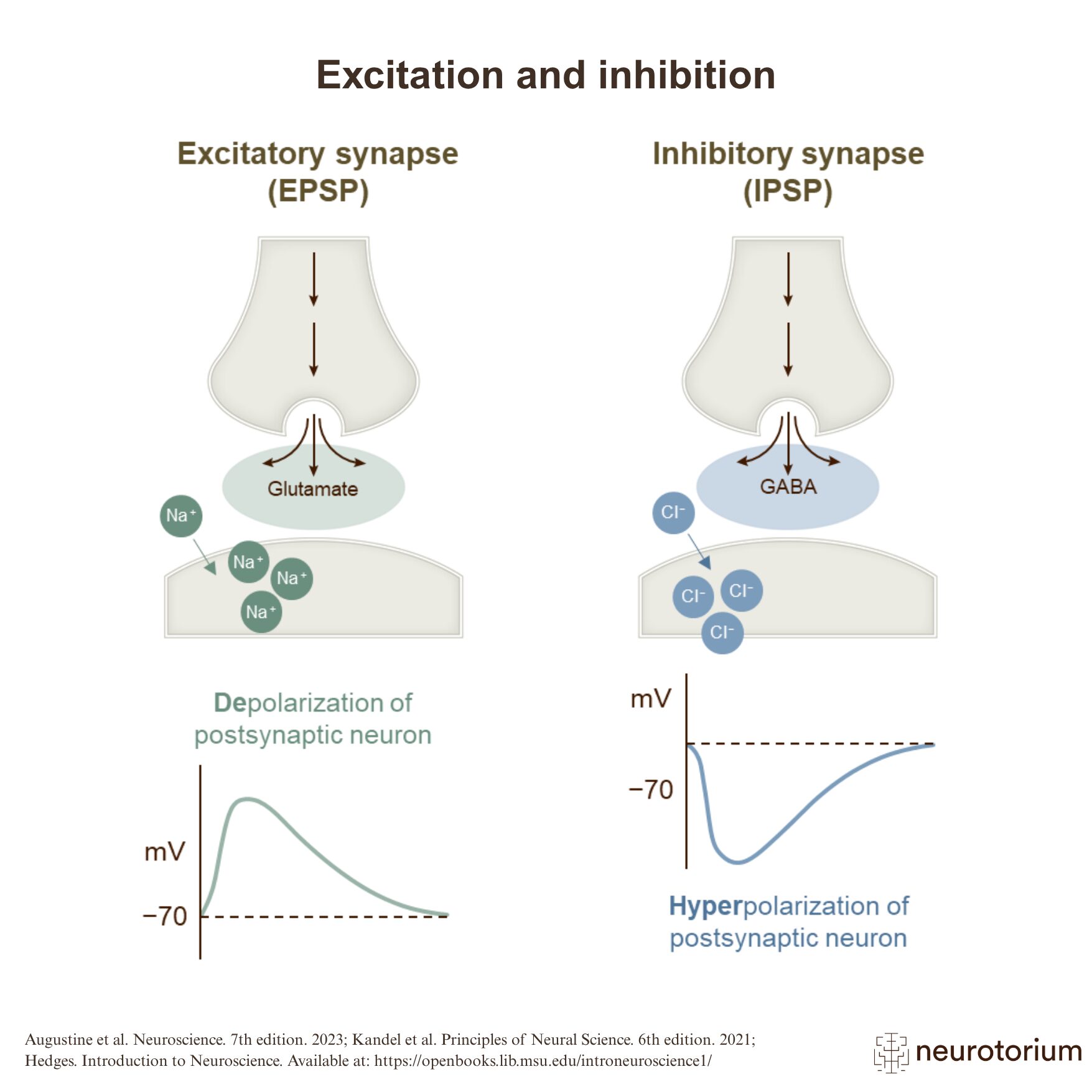
Neurons can be broadly classified into two functional types, excitatory and inhibitory, based on their neurotransmitters. The balance between excitation and inhibition in the brain is a fundamental principle of neural circuit function.5 It refers to the dynamic equilibrium between excitatory signals, which increase the likelihood of neuronal firing (mainly mediated by glutamate), and inhibitory signals, which decrease that likelihood (primarily mediated by GABA).5 Maintenance of the excitation–inhibition balance of the brain is crucial for its functioning.5 Indeed, many neurological and psychiatric disorders can involve a disruption to the excitation–inhibition balance, including epilepsy, and schizophrenia.5
Related content
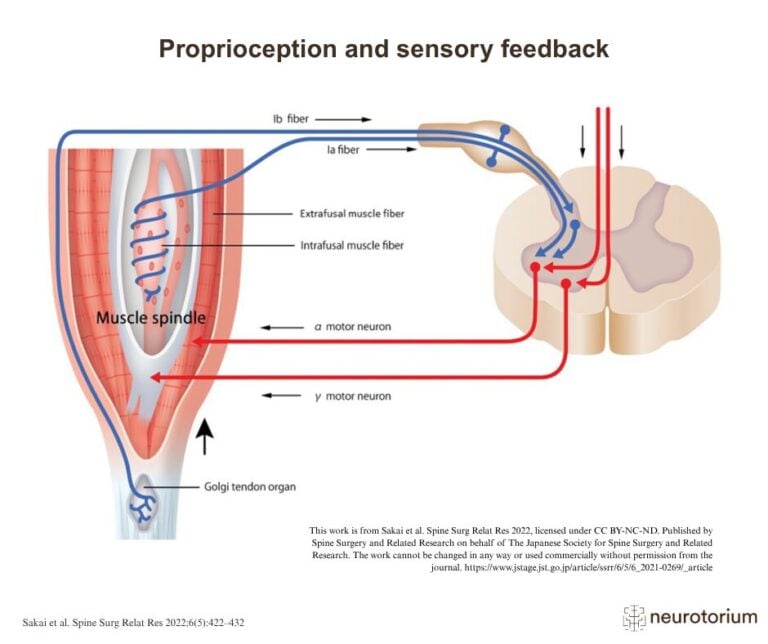
Controlled movement relies on sensory feedback, particularly proprioception (the sense of body position in space and movement).
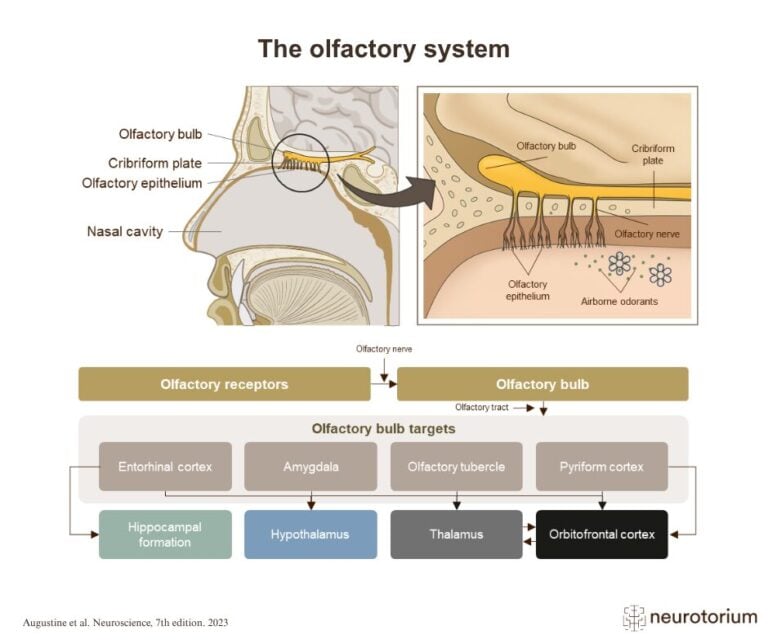
The olfactory system detects airborne odor molecules in the nasal cavity and transmits this information to the olfactory bulb. From there, signals are relayed to several brain regions involved in smell perception, memory, emotion, and behaviour.
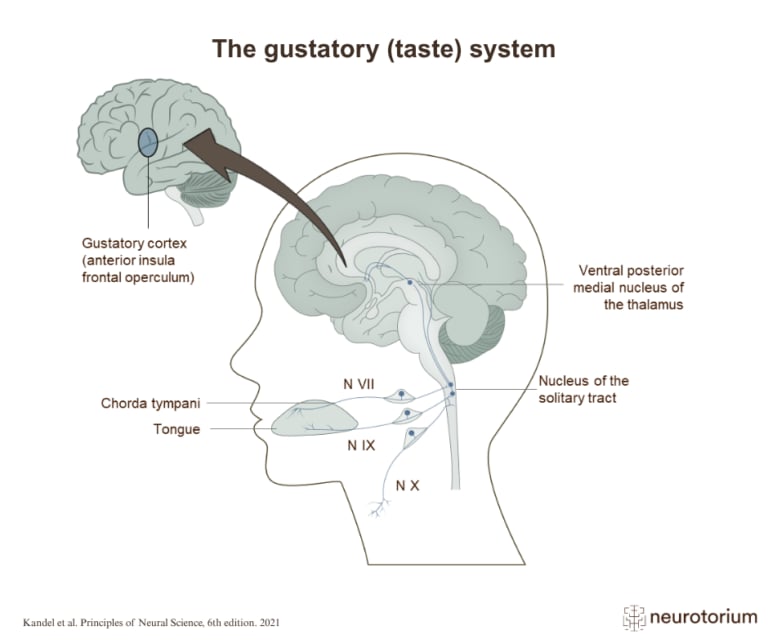
The gustatory system detects taste stimuli on the tongue and relays this information through brainstem and thalamic pathways to the gustatory cortex.