

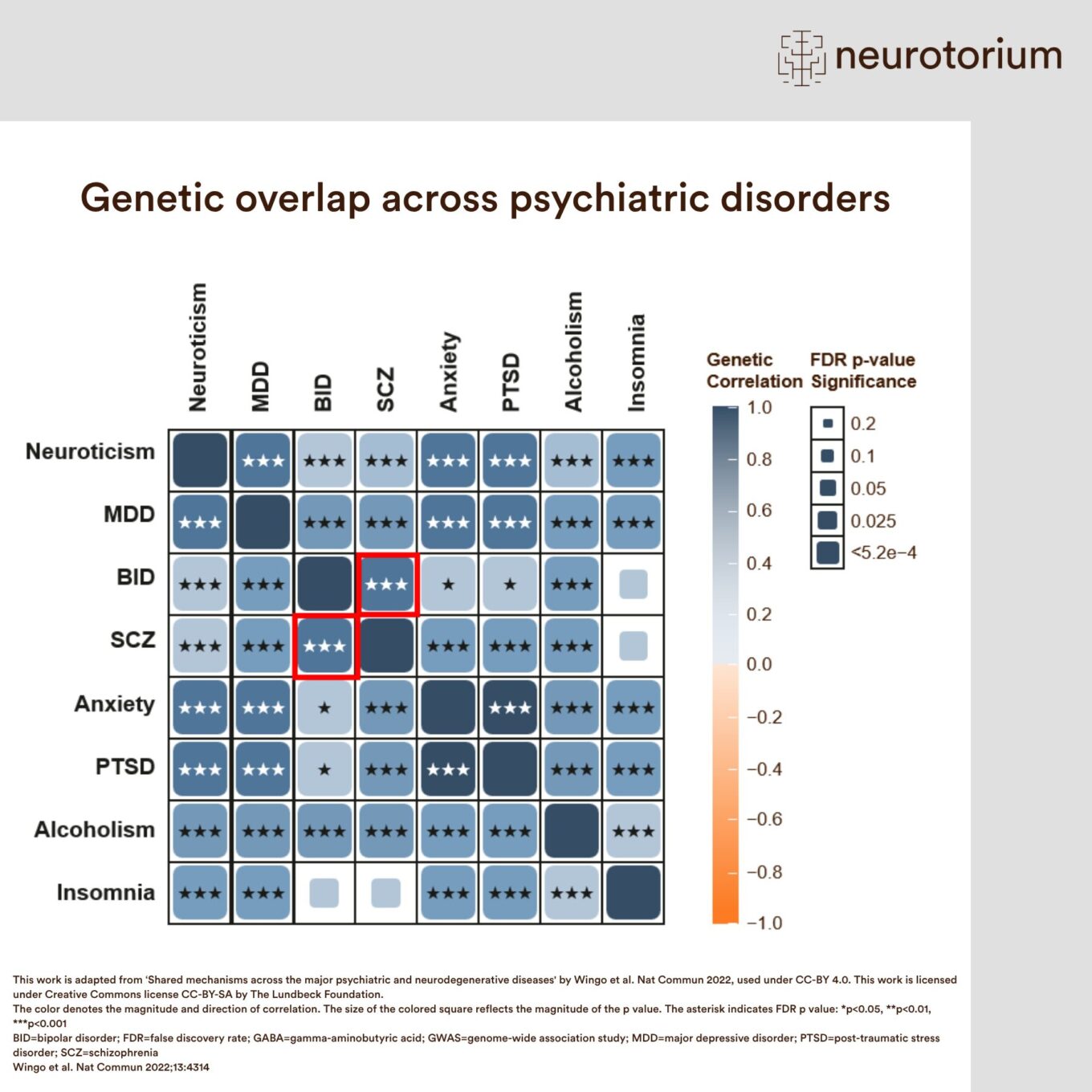
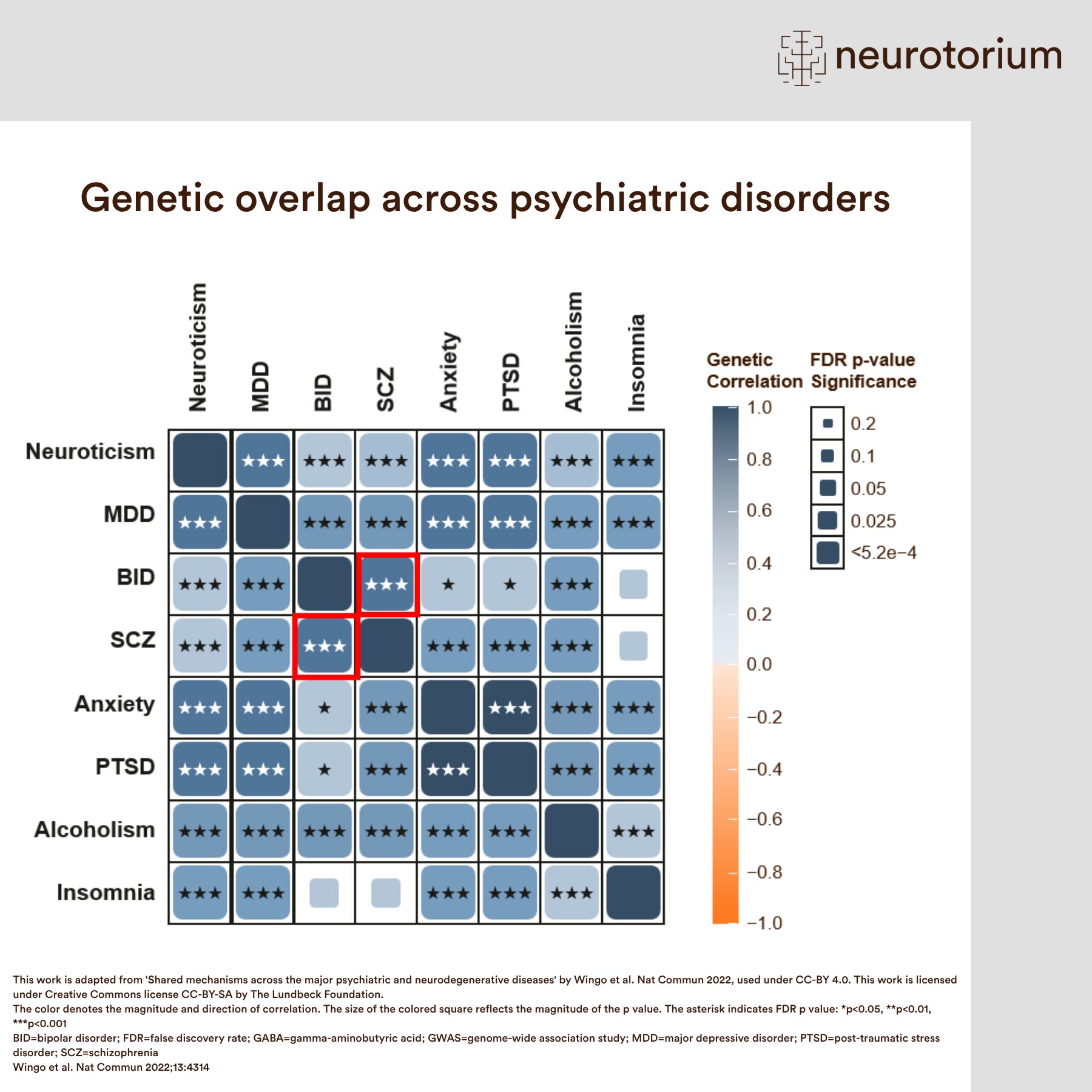
The figure summarizes how common-variant genetic risk is shared across 8 psychiatric disorders, using genome-wide genetic correlations calculated with linkage disequilibrium (LD) score regression.1 Polygenic risk for schizophrenia overlaps substantially with other disorders, particularly bipolar disorder, supporting shared biological vulnerability across diagnoses.1,2
FDR=false discovery rate.
Related content
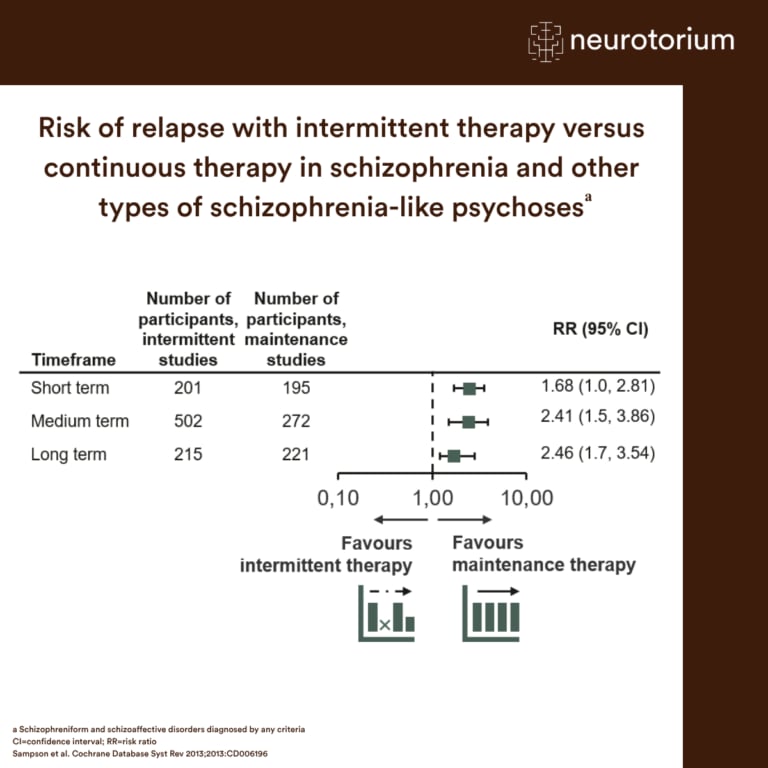
Continuous maintenance therapy is associated with a lower risk of relapse than intermittent treatment, supporting ongoing treatment strategies in schizophrenia and related psychotic disorders.
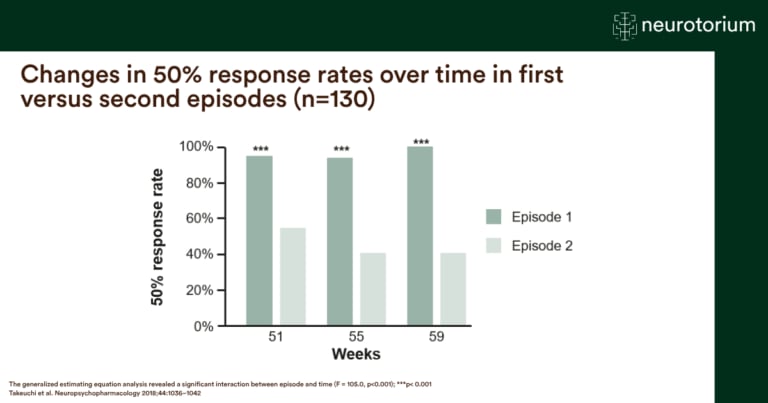
Treatment response tends to be higher during a first episode than during subsequent episodes, emphasizing the importance of early intervention and effective management.
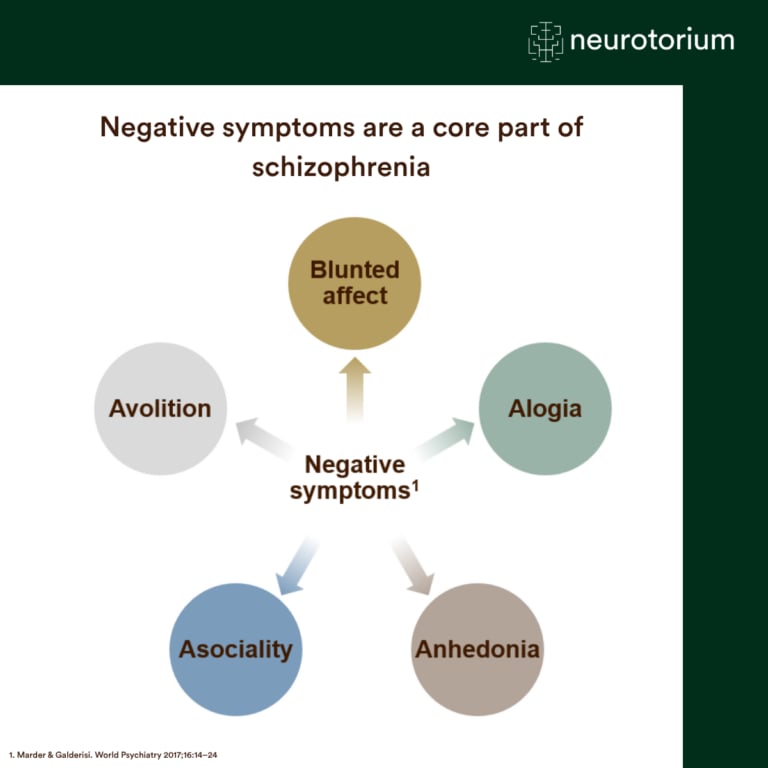
Negative symptoms are a core feature of schizophrenia and can have a profound impact on functioning, social relationships, and quality of life.