


Index for
slide deck
Aetiology and neurobiology
Aetiology and neurobiology
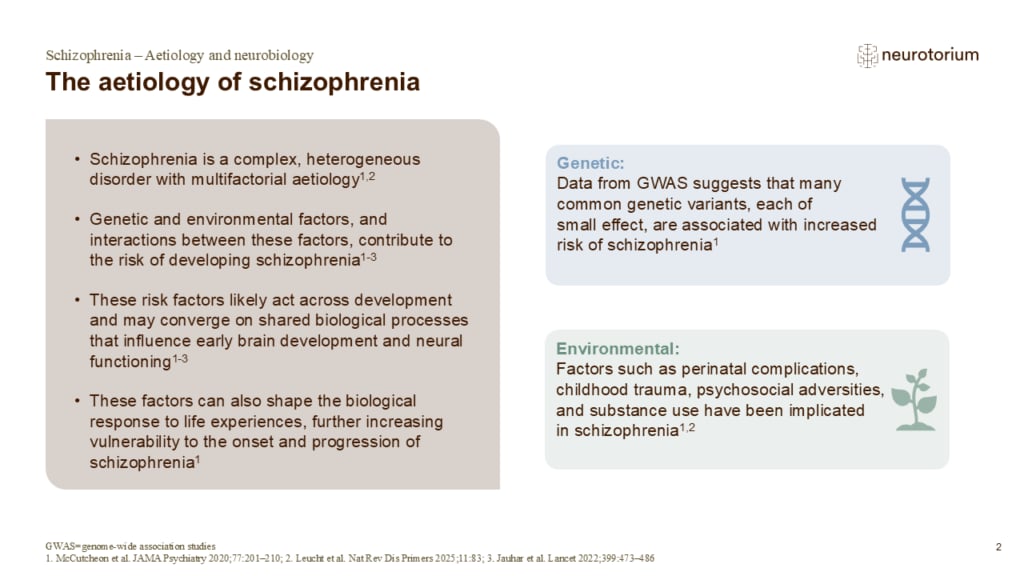
The aetiology of schizophrenia
In addition to the factors outlined on the slide, research also highlights the role of epigenetic mechanisms, which may mediate the interplay between genetic predisposition and environmental influences.4 These mechanisms include processes such as DNA methylation, histone …
Genetic risk factors for schizophrenia
Genetic risk factors for schizophrenia
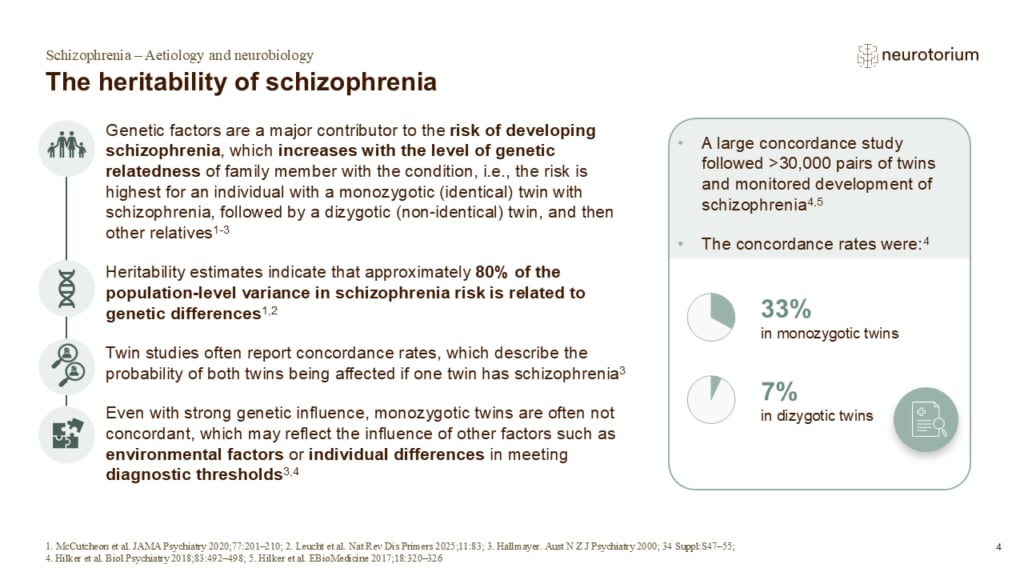
The heritability of schizophrenia
Differences between heritability estimates and concordance rates arise due to heritability and concordance rates capturing different aspects of genetic contribution to schizophrenia risk, with heritability reflecting population-level variance in risk and concordance refle…
The genetics of schizophrenia
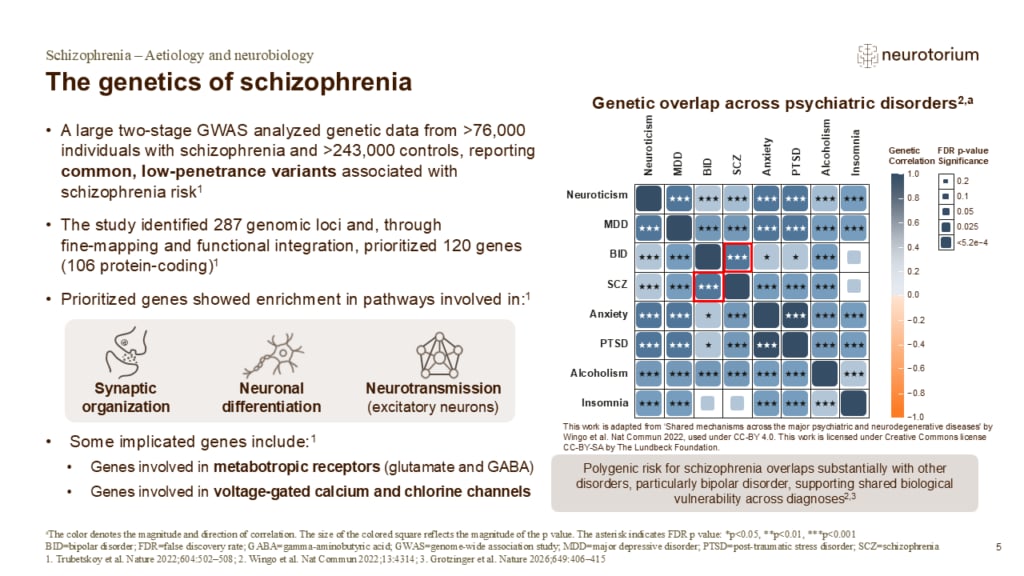
The figure summarizes how common‑variant genetic risk is shared across 8 psychiatric disorders, using genome-wide genetic correlations calculated with LD score regression.2 Within this structured pattern of shared genetic risk, schizophrenia and bipolar disorder show stro…
Rare genetic variants in the risk of schizophrenia
Rare CNVs associated with schizophrenia risk
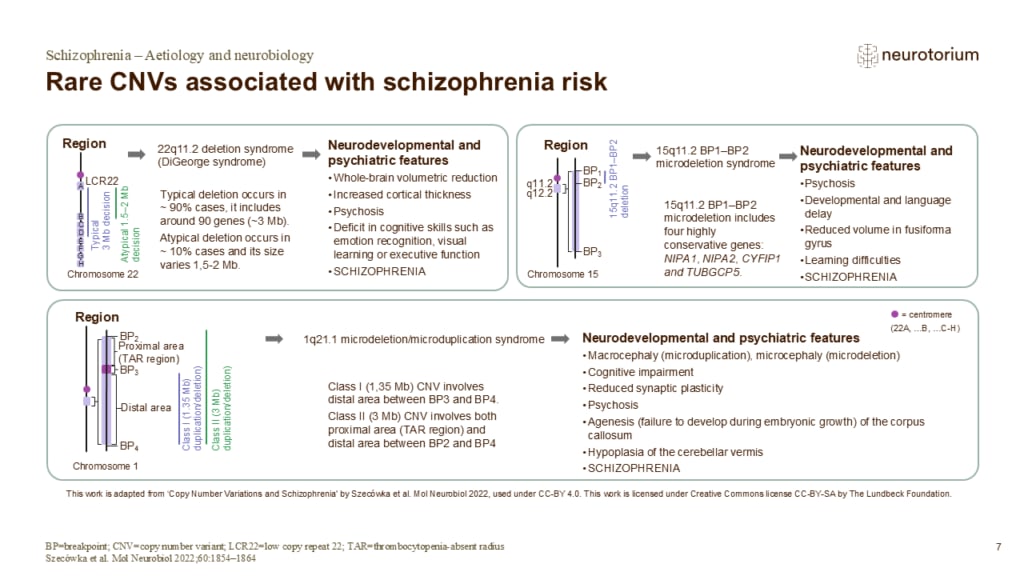
This figure illustrates examples of rare CNVs that are associated with increased risk of schizophrenia. Each panel shows the chromosomal region affected (22q11.2 deletion, 15q11.2 microdeletion, and 1q21.1 microdeletion or microduplication), alongside characteristic neuro…
Genetic risk for schizophrenia converges on specific biological pathways
Environmental risk factors for schizophrenia
Environmental risk factors for schizophrenia
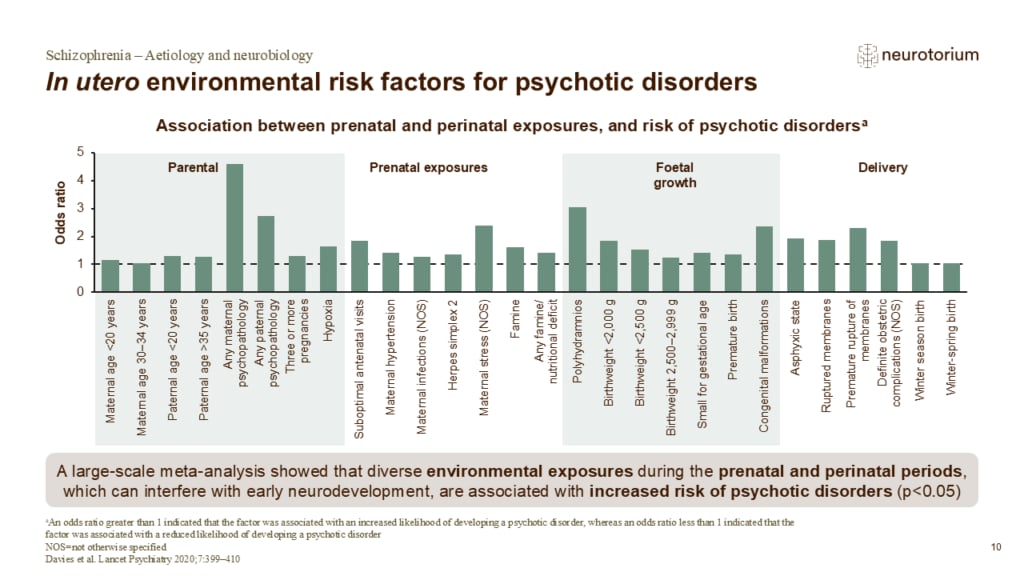
In utero environmental risk factors for psychotic disorders
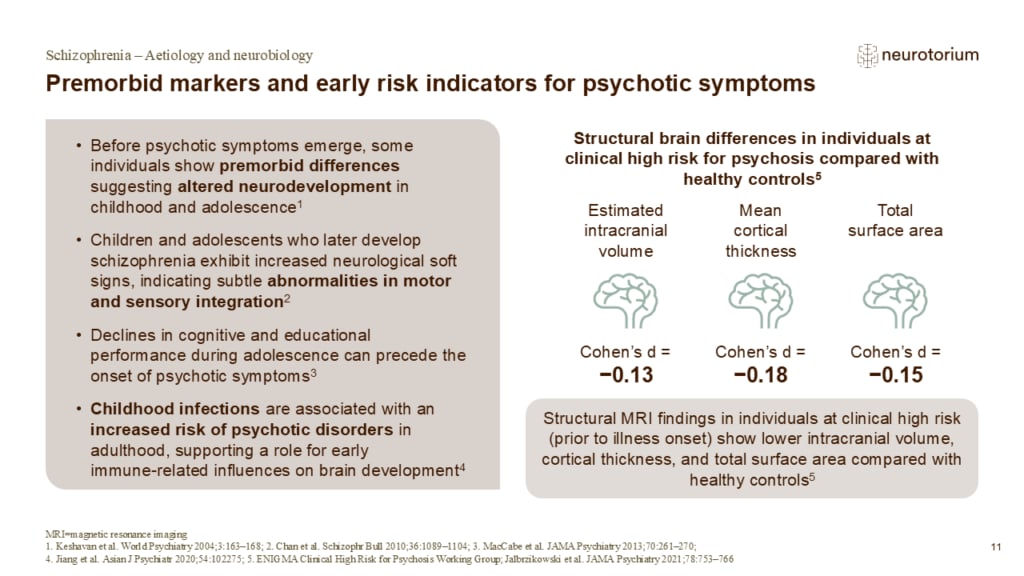
Premorbid markers and early risk indicators for psychotic symptoms
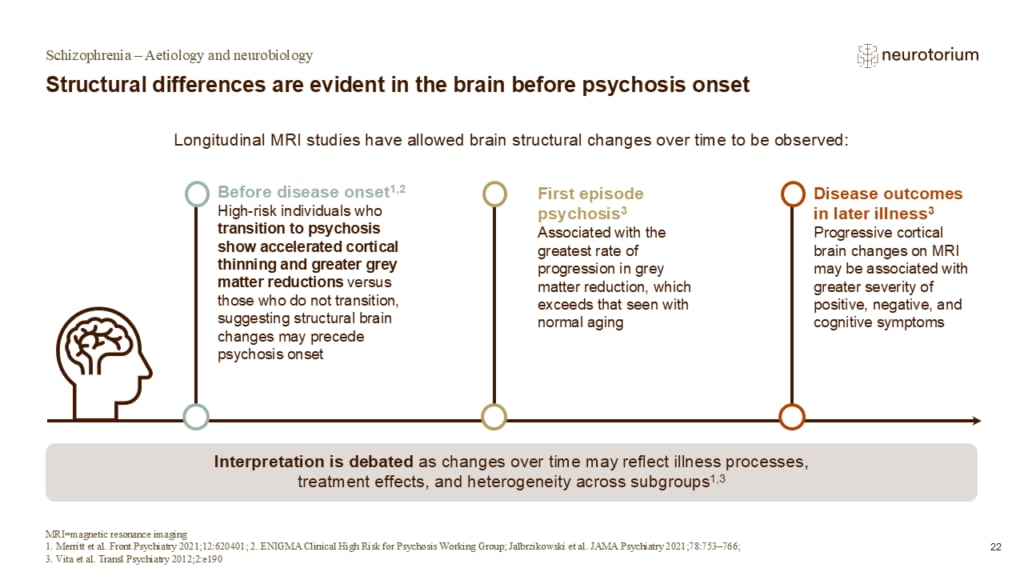
The study by ENIGMA Clinical High Risk for Psychosis Working Group pooled MRI data from 31 international sites, including 1,792 individuals at CHR and 1,377 healthy controls, giving a total sample of 3,169 participants. Among the CHR group, longitudinal clinical follow‑up…
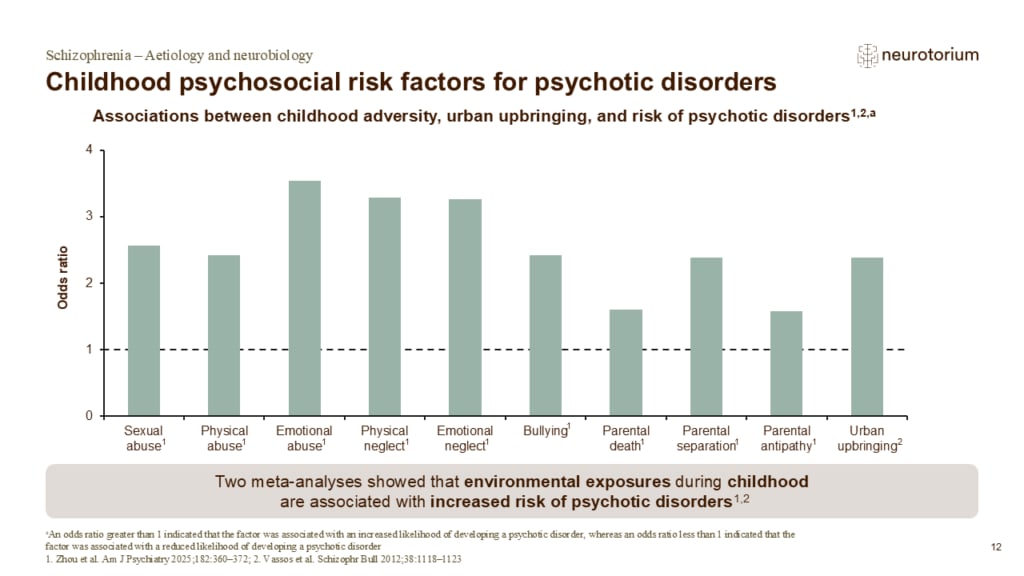
Childhood psychosocial risk factors for psychotic disorders
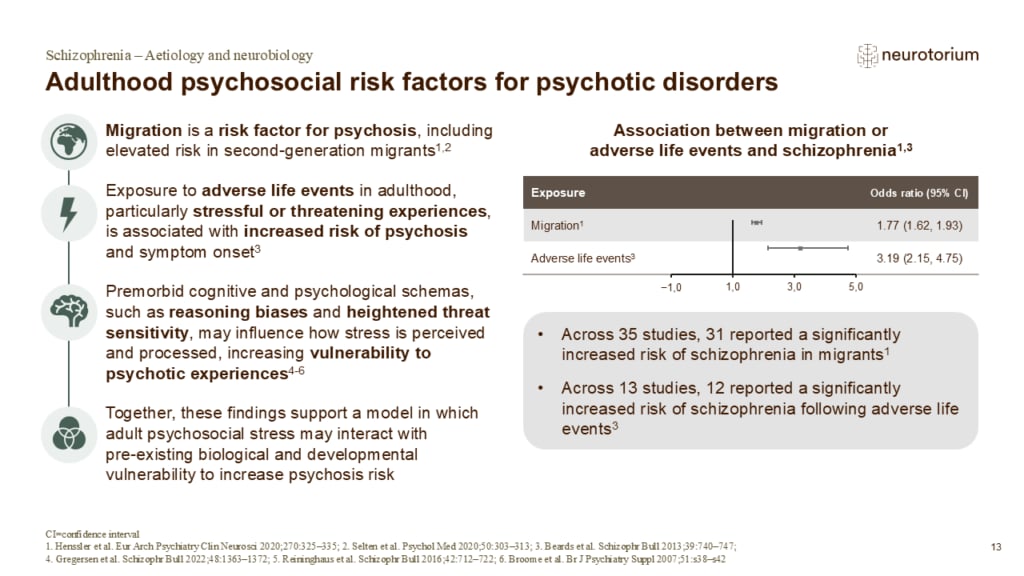
Adulthood psychosocial risk factors for psychotic disorders
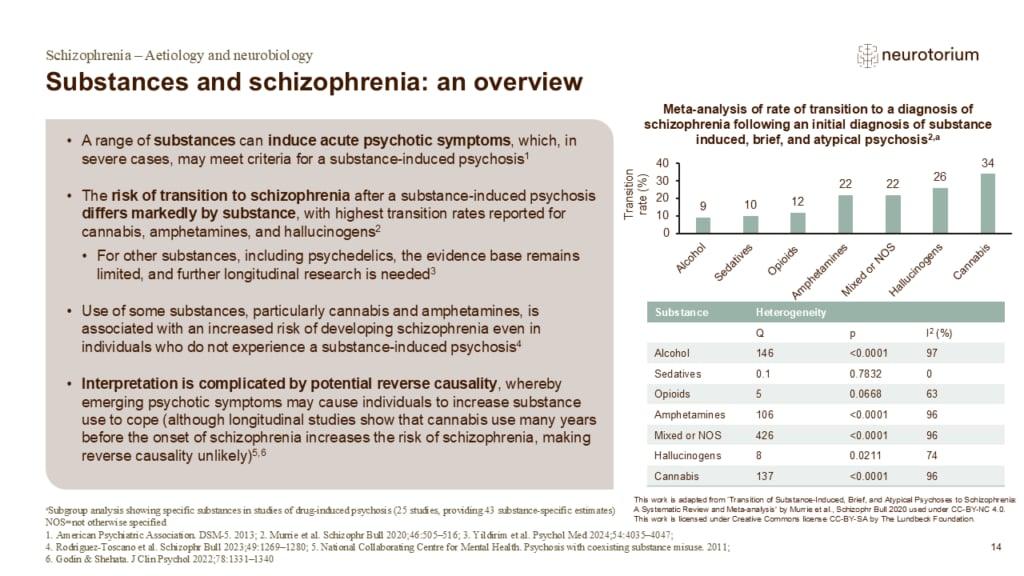
Substances and schizophrenia: an overview
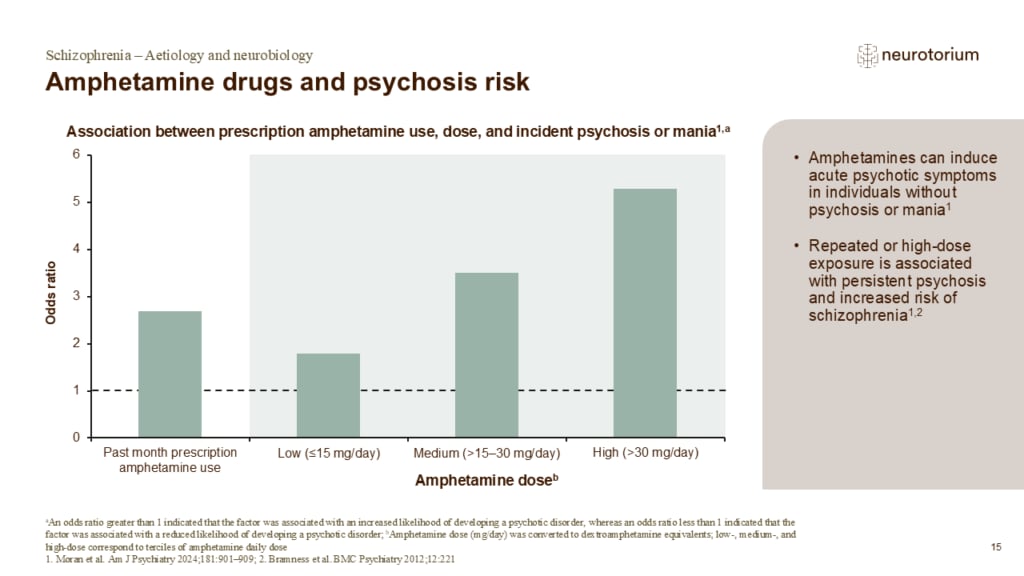
Amphetamine drugs and psychosis risk
The study used electronic health record data from a large US healthcare system (Mass General Brigham), including individuals aged 16–35 years admitted for a first psychiatric hospitalization between 2005 and 2019.1
A case–control design was employed: cases were patients w…
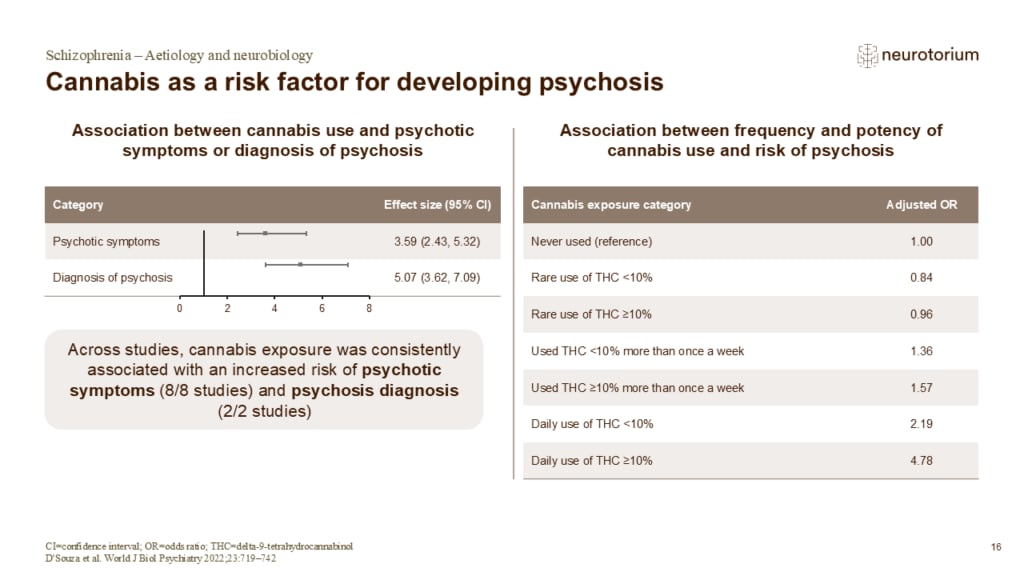
Cannabis as a risk factor for developing psychosis
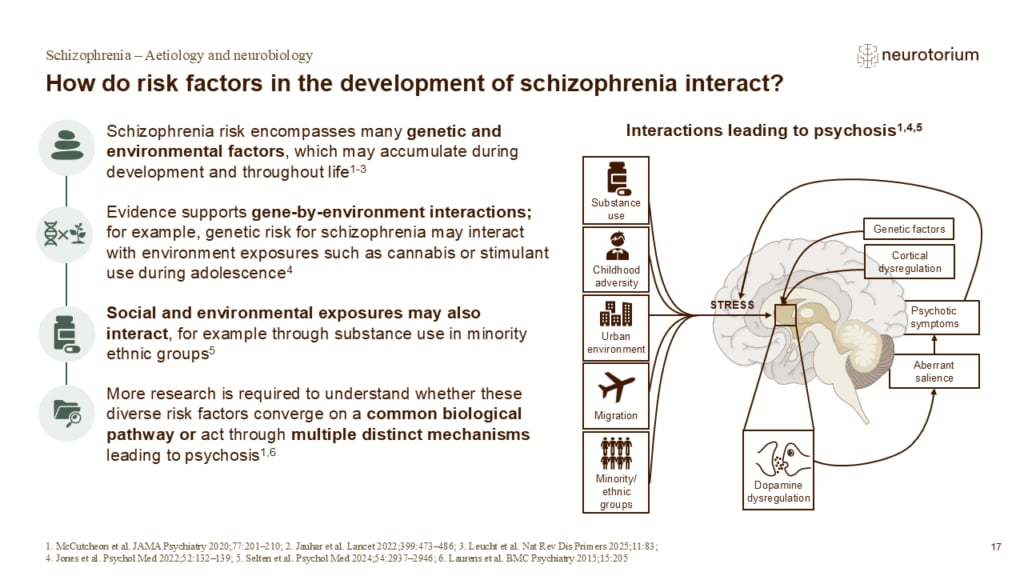
How do risk factors in the development of schizophrenia interact?
Related content
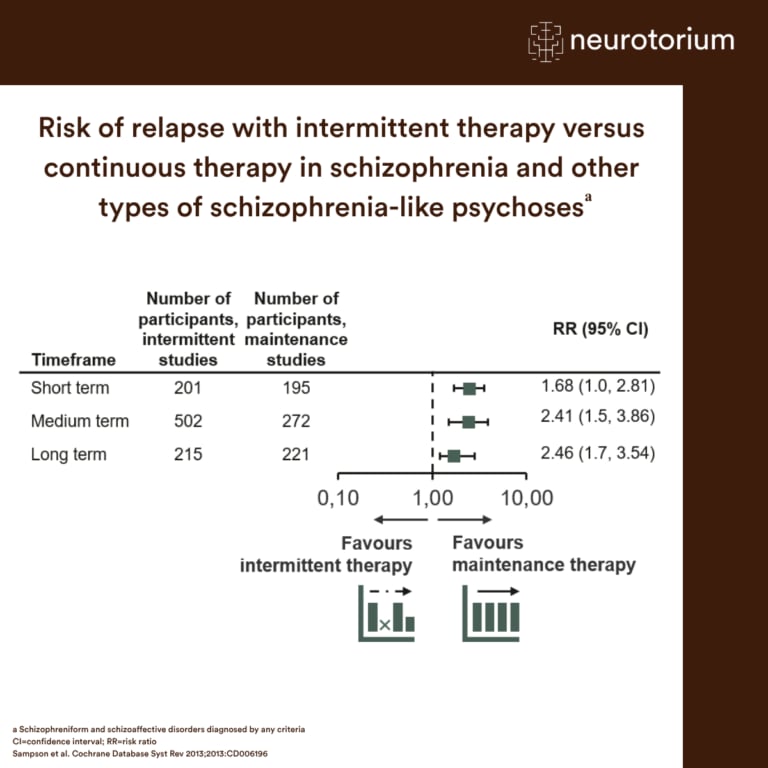
Continuous maintenance therapy is associated with a lower risk of relapse than intermittent treatment, supporting ongoing treatment strategies in schizophrenia and related psychotic disorders.
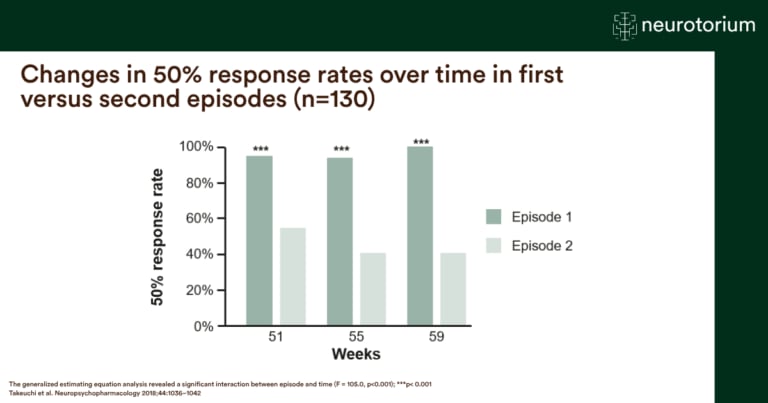
Treatment response tends to be higher during a first episode than during subsequent episodes, emphasizing the importance of early intervention and effective management.
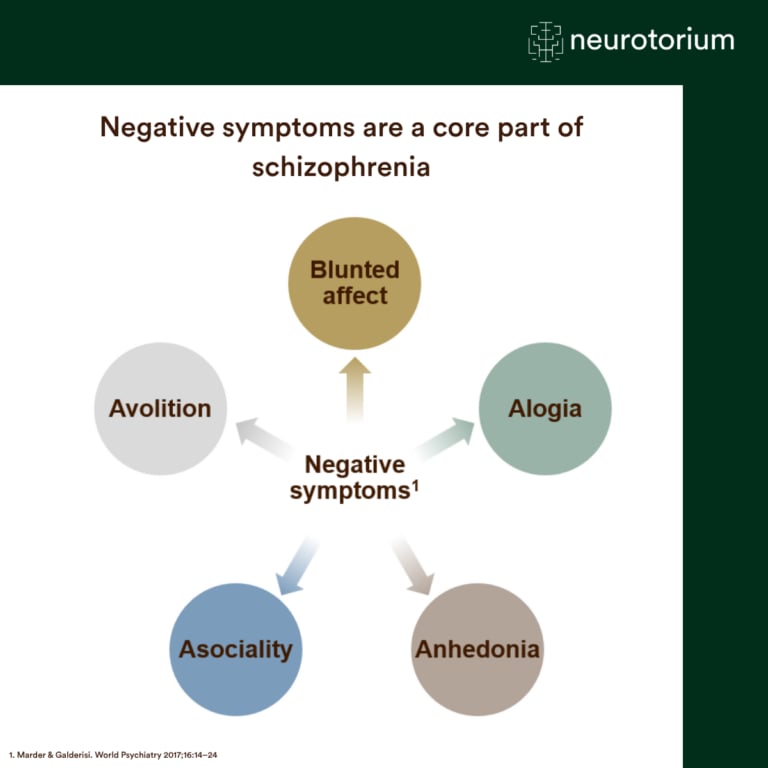
Negative symptoms are a core feature of schizophrenia and can have a profound impact on functioning, social relationships, and quality of life.