

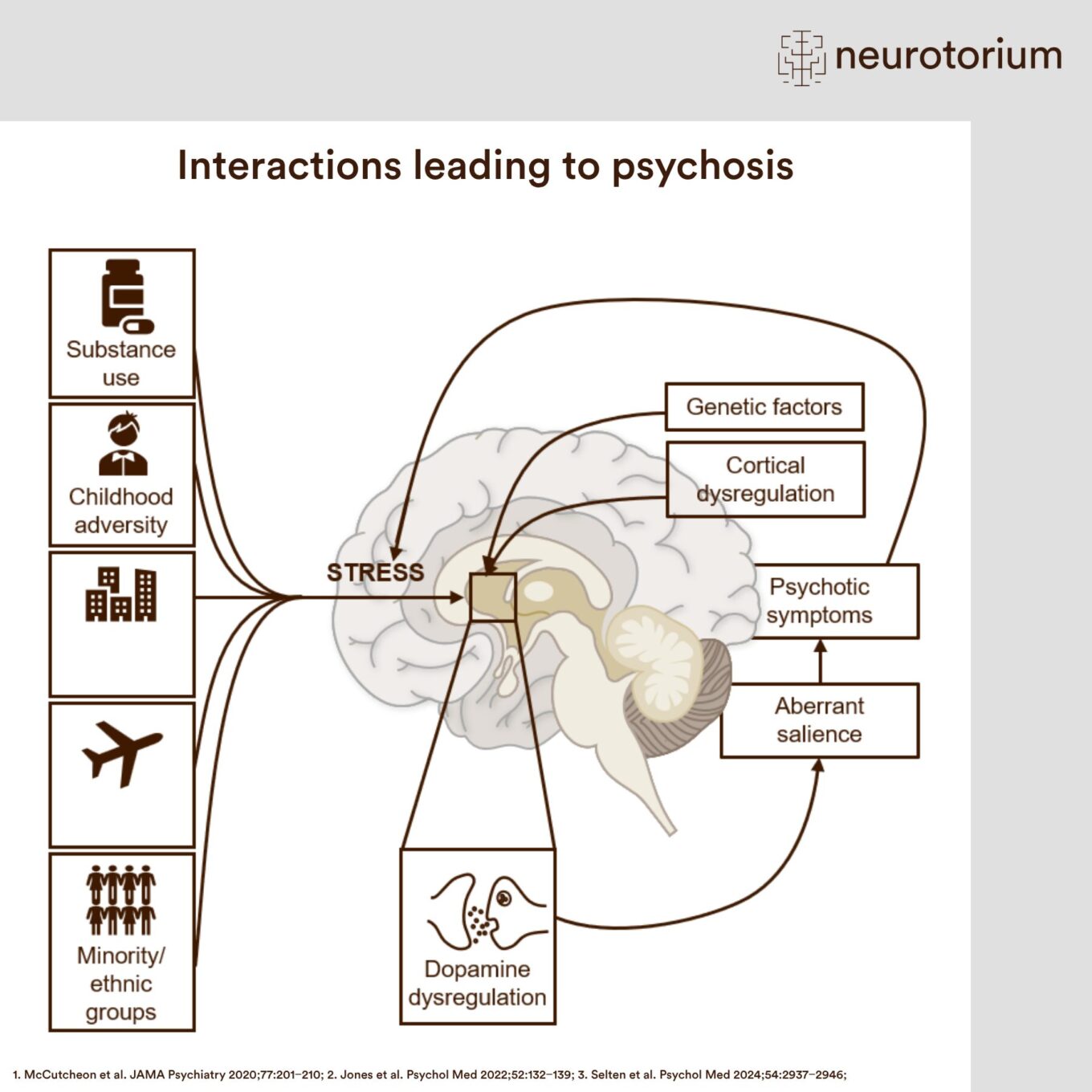
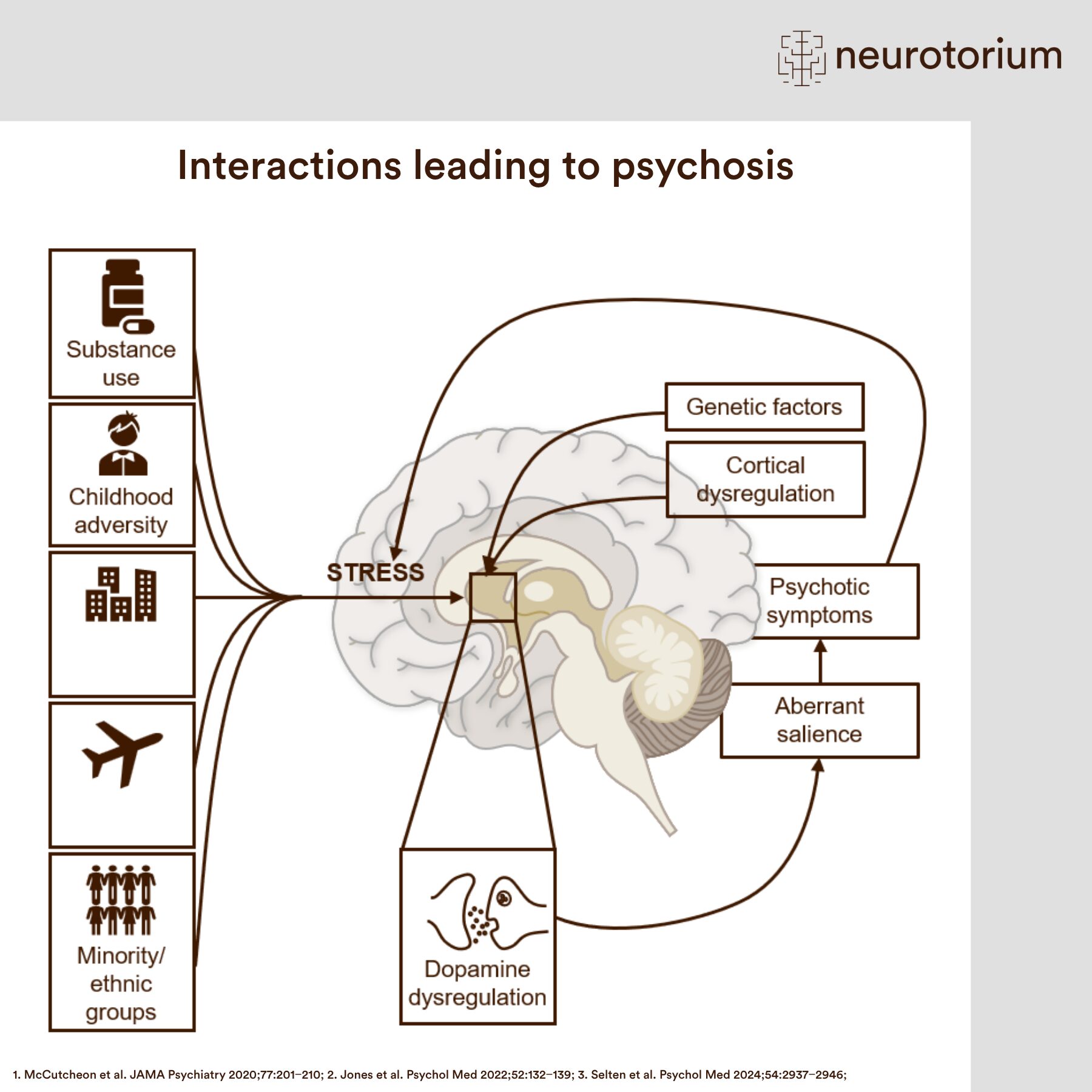
Schizophrenia risk encompasses many genetic and environmental factors, which may accumulate during development and throughout life.1-3 Evidence supports gene-by-environment interactions; for example, genetic risk for schizophrenia may interact with environmental exposures such as cannabis or stimulant use during adolescence.4
Social and environmental exposures may also interact, for example, through substance use in minority ethnic groups.5
However, more research is required to understand whether these diverse risk factors converge on a common biological pathway or act through multiple distinct mechanisms leading to psychosis.1,6
Related content
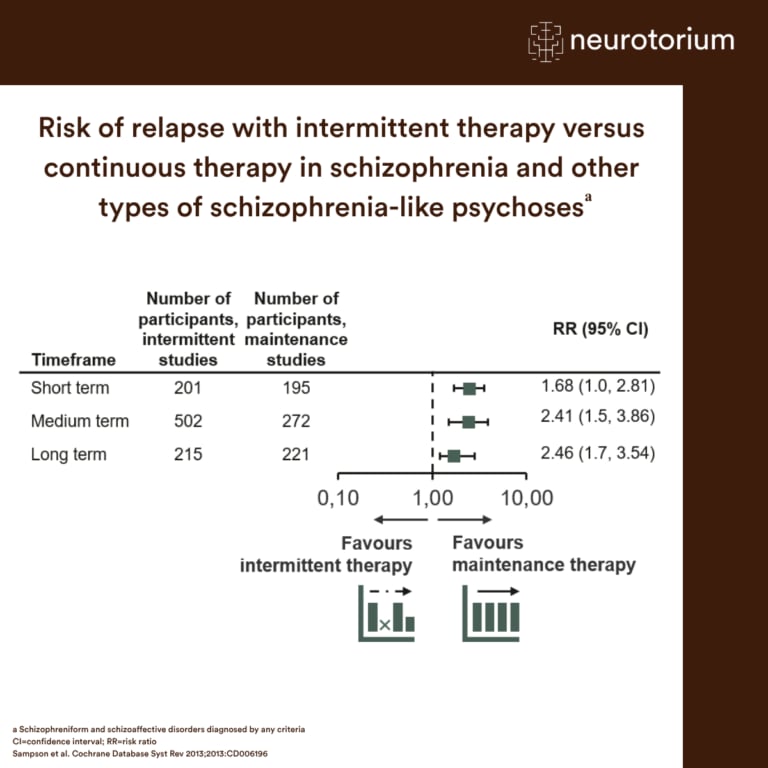
Continuous maintenance therapy is associated with a lower risk of relapse than intermittent treatment, supporting ongoing treatment strategies in schizophrenia and related psychotic disorders.
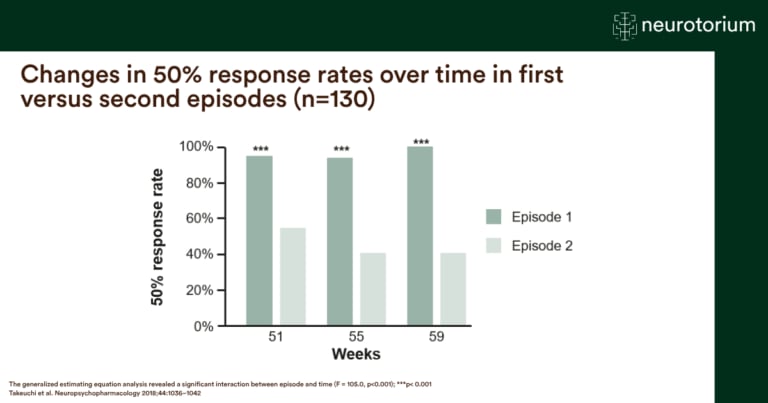
Treatment response tends to be higher during a first episode than during subsequent episodes, emphasizing the importance of early intervention and effective management.
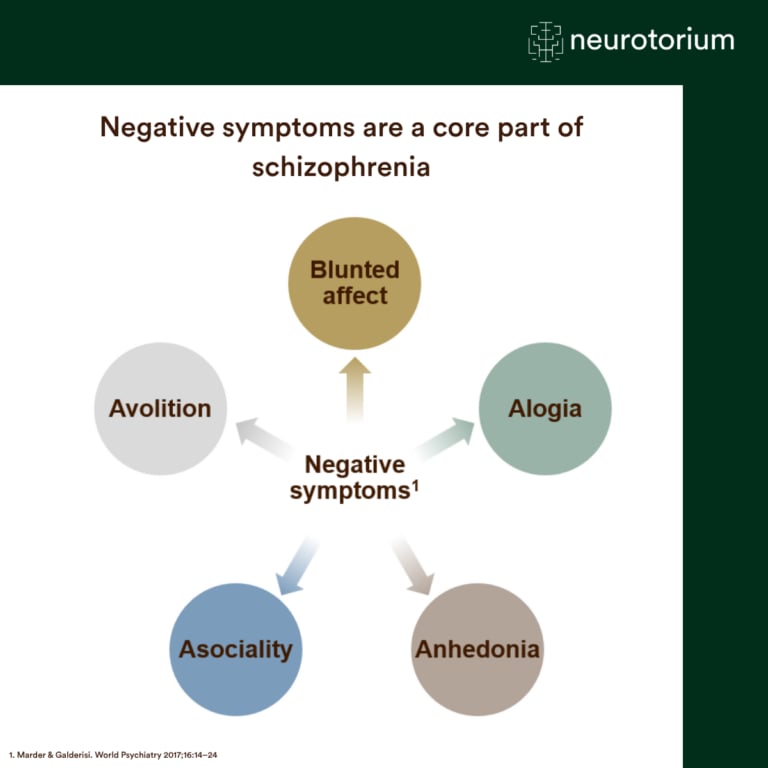
Negative symptoms are a core feature of schizophrenia and can have a profound impact on functioning, social relationships, and quality of life.