

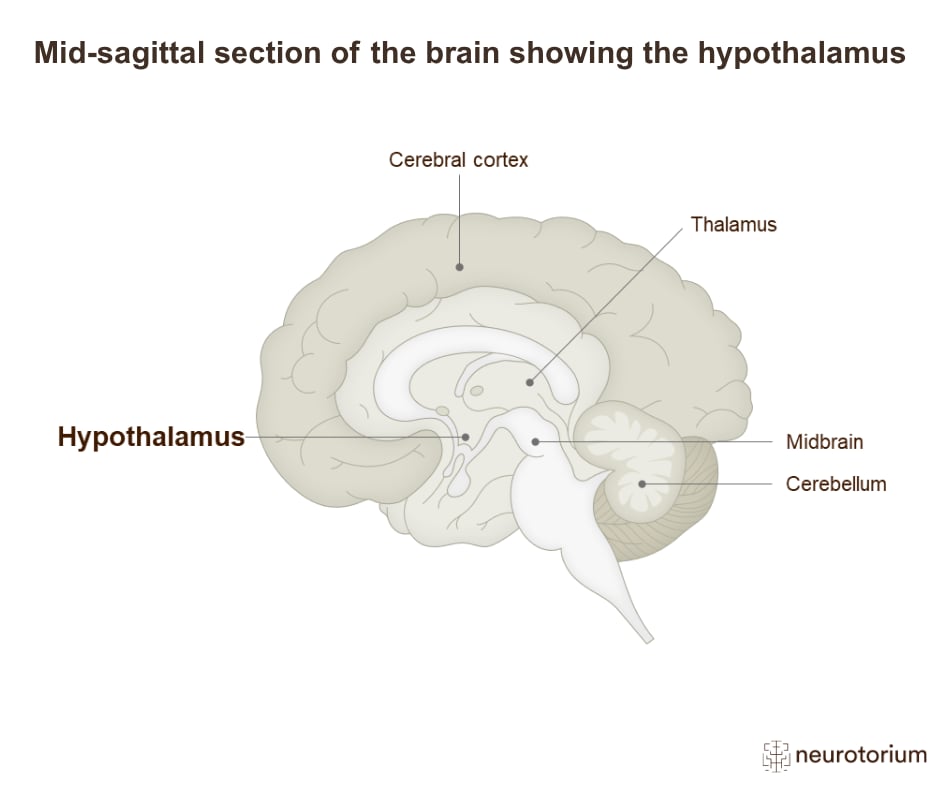
The hypothalamus is an integrative centre, and is a key part of the body’s regulatory system1. Almost every major subdivision of the CNS communicates with the hypothalamus and is also subject to its influence. The hypothalamus also communicates with the peripheral organs by converting synaptic information to hormonal signals2
The hypothalamus affects the regulations of autonomic functions such as heart rate via its influence on the sympathetic and parasympathetic branches of the autonomic nervous system.1,3
It also affects thermoregulation, hunger and thirst, sleep and circadian rhythms, emotional and behavioural responses as well as sexual and reproductive behavior.1,3,5,6,7
Related content
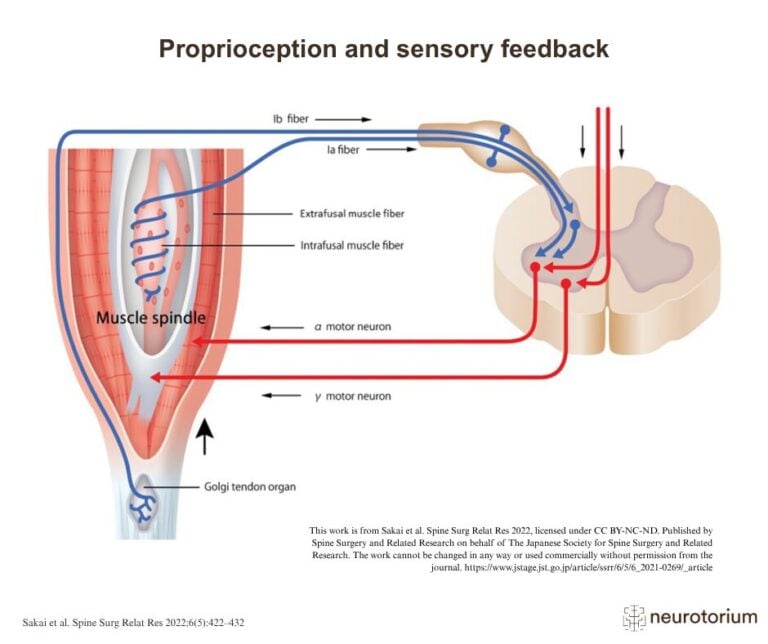
Controlled movement relies on sensory feedback, particularly proprioception (the sense of body position in space and movement).
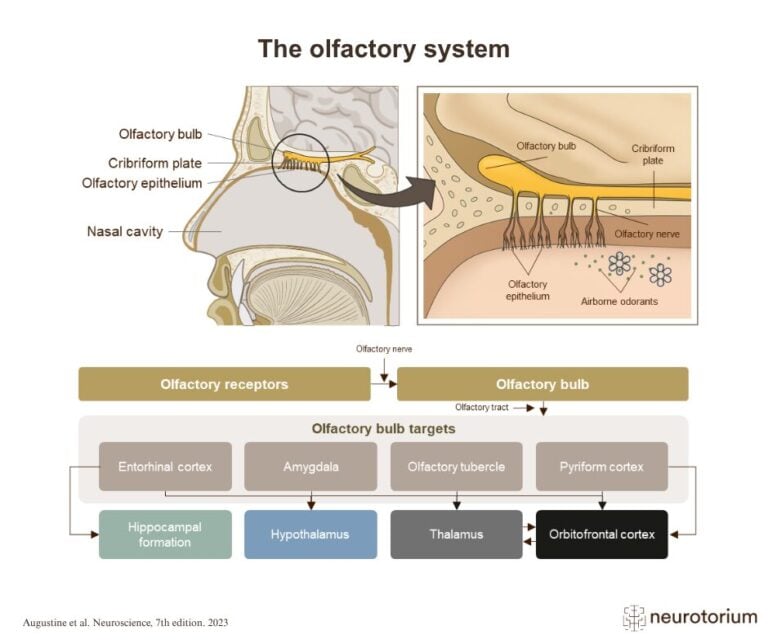
The olfactory system detects airborne odor molecules in the nasal cavity and transmits this information to the olfactory bulb. From there, signals are relayed to several brain regions involved in smell perception, memory, emotion, and behaviour.
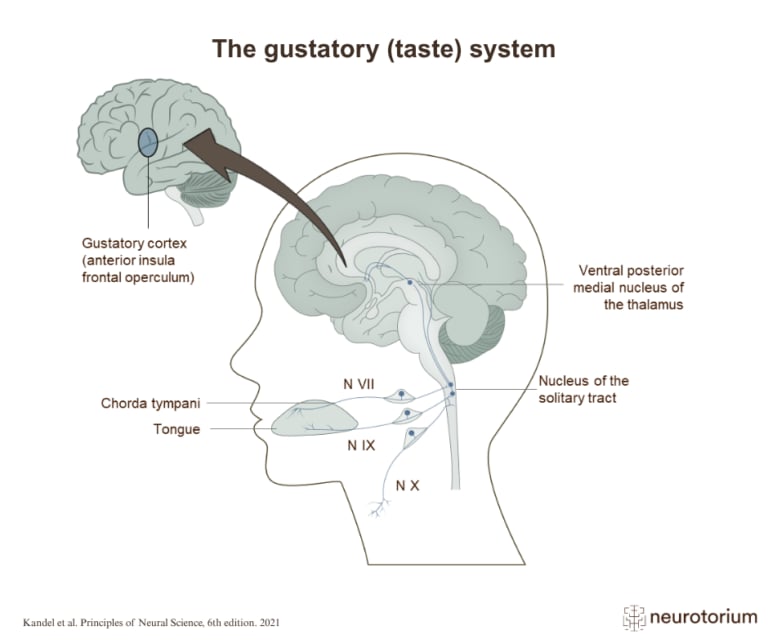
The gustatory system detects taste stimuli on the tongue and relays this information through brainstem and thalamic pathways to the gustatory cortex.