

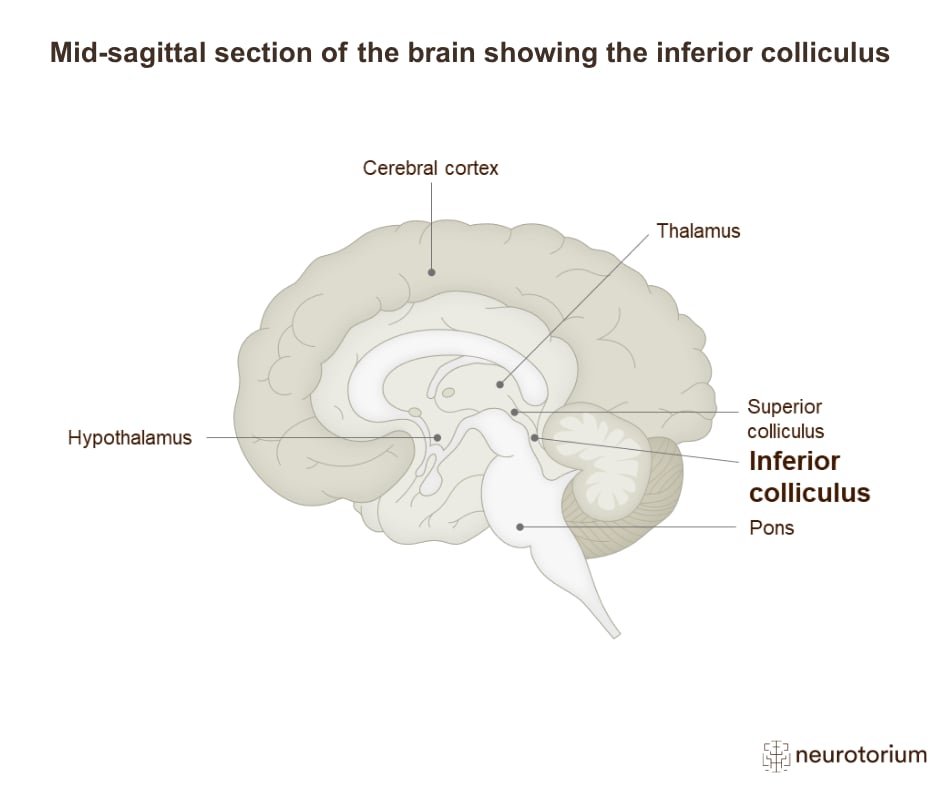
The inferior colliculus (IC) is a principal midbrain structure that plays a crucial role in the auditory pathway1. The IC acts as a major integration hub for auditory information. It processes various aspects of sound, such as pitch, volume, spatial localization, and temporal patterns1. The IC also projects to the thalamus (medial geniculate nucleus) for further relay to the auditory cortex, where conscious sound perception occurs1
Damage to the IC can result in auditory processing disorders, such as difficulty localizing sounds.1 Additionally, associations between the IC and tinnitus have been reported1
Related content
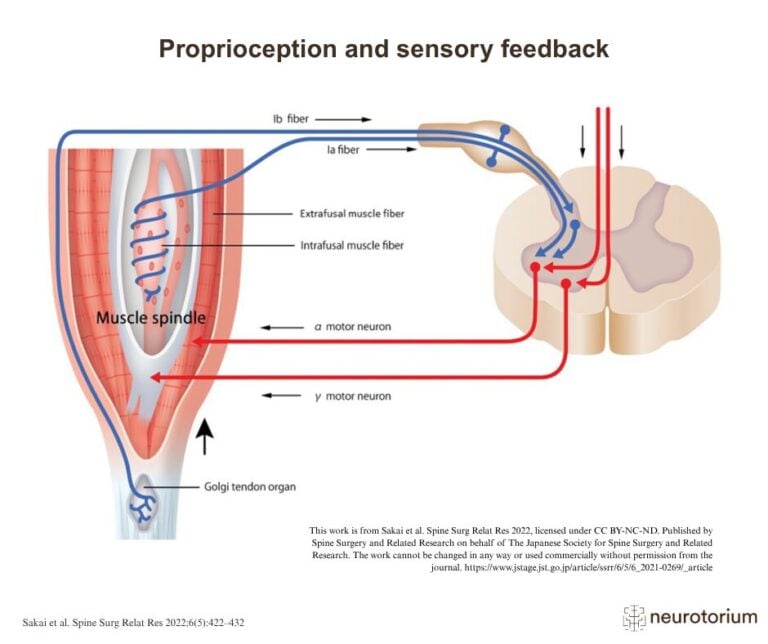
Controlled movement relies on sensory feedback, particularly proprioception (the sense of body position in space and movement).
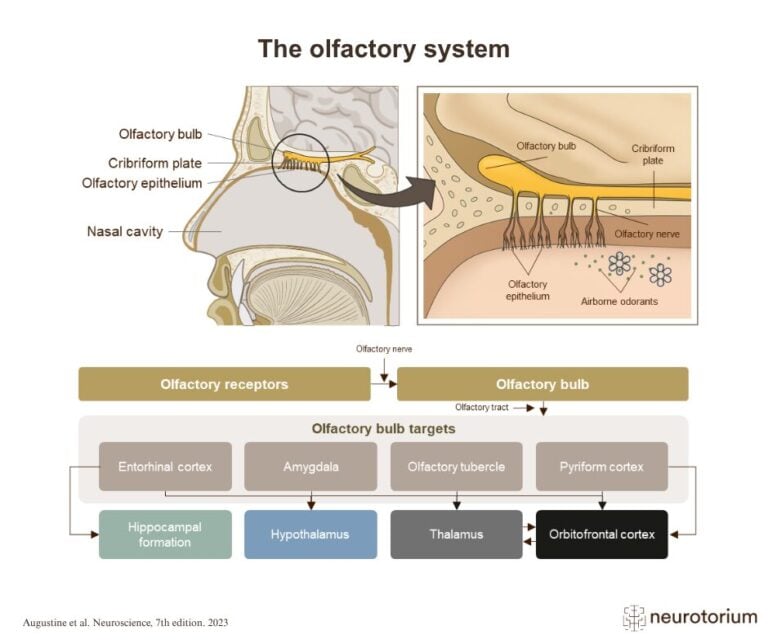
The olfactory system detects airborne odor molecules in the nasal cavity and transmits this information to the olfactory bulb. From there, signals are relayed to several brain regions involved in smell perception, memory, emotion, and behaviour.
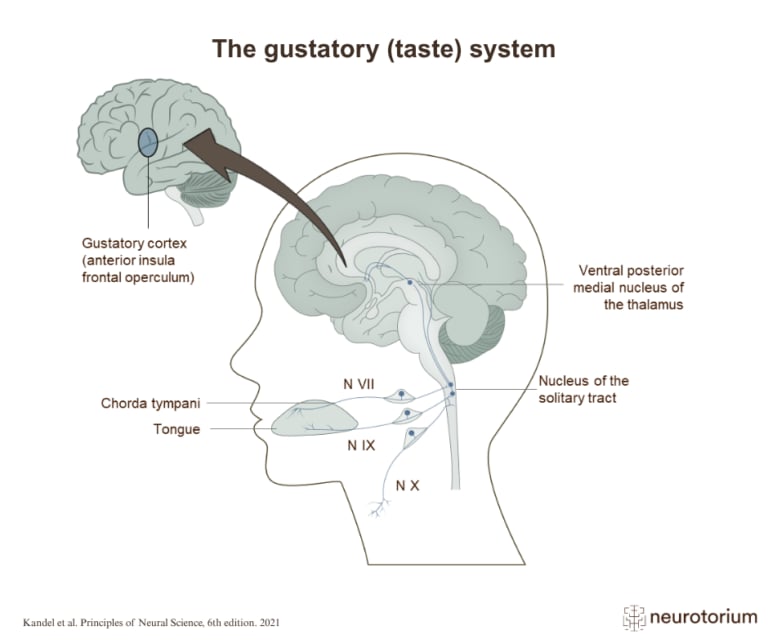
The gustatory system detects taste stimuli on the tongue and relays this information through brainstem and thalamic pathways to the gustatory cortex.