

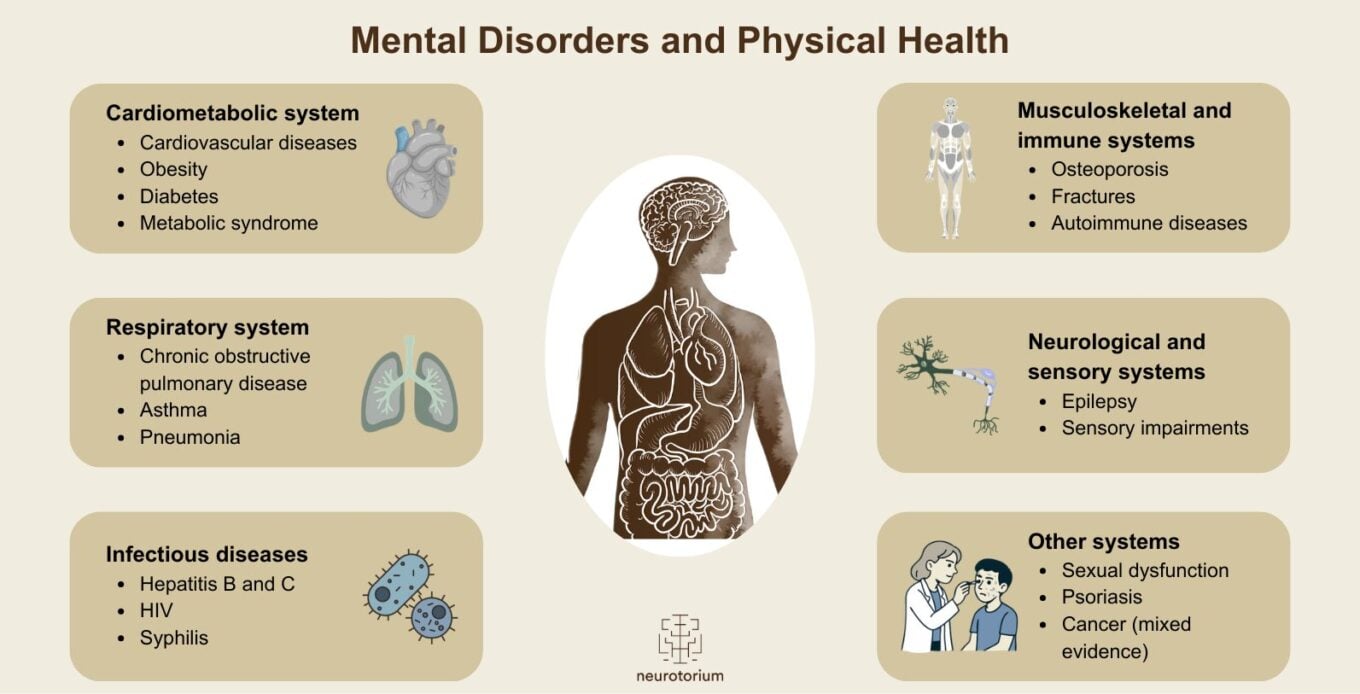
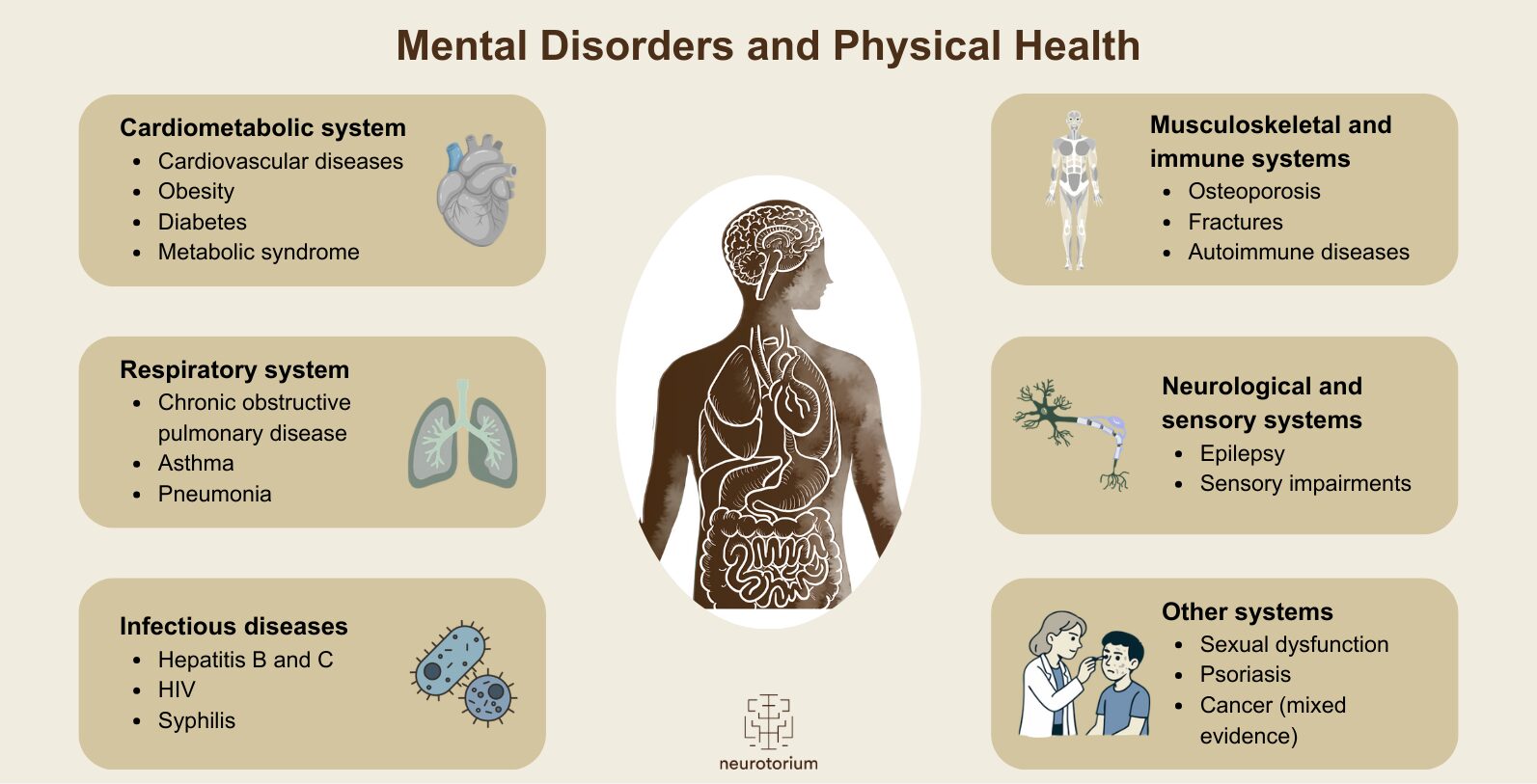
Cardiometabolic conditions, including cardiovascular diseases, obesity, diabetes, and metabolic syndrome, represent the most consistently reported and prevalent comorbidities. Respiratory disorders are also more common, particularly in severe mental illness. Infectious diseases contribute substantially to morbidity, especially among individuals with co-occurring substance use disorders. Neurological and sensory conditions, musculoskeletal and immune-related disorders, and other conditions such as sexual dysfunction and psoriasis, further highlight the multisystem nature of physical illness in this population. Evidence linking mental disorders to cancer risk remains mixed. Many of these conditions co-occur within individuals, reflecting the high burden of physical multimorbidity across mental disorders.
Related content
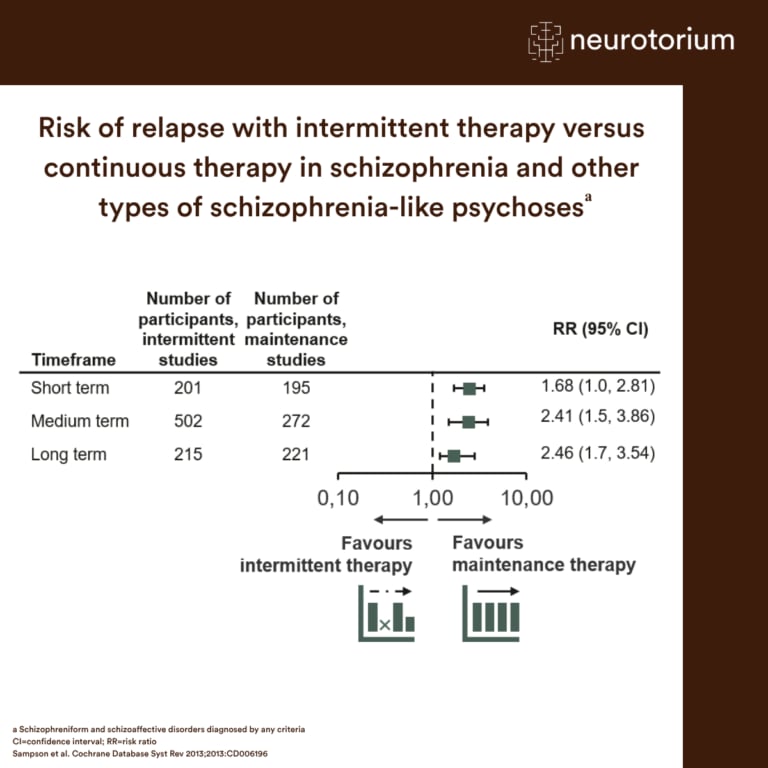
Continuous maintenance therapy is associated with a lower risk of relapse than intermittent treatment, supporting ongoing treatment strategies in schizophrenia and related psychotic disorders.
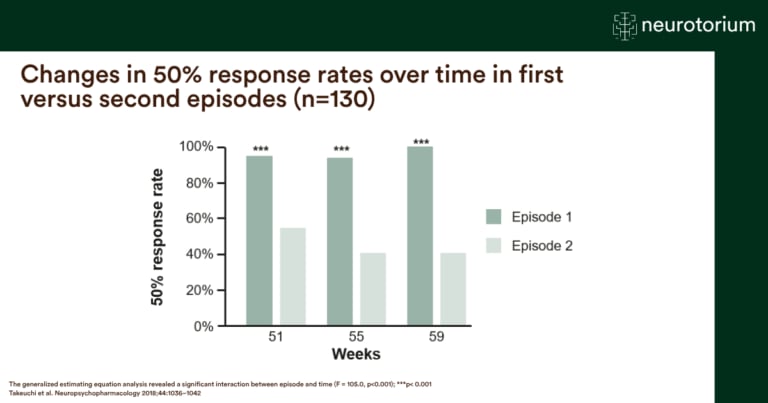
Treatment response tends to be higher during a first episode than during subsequent episodes, emphasizing the importance of early intervention and effective management.
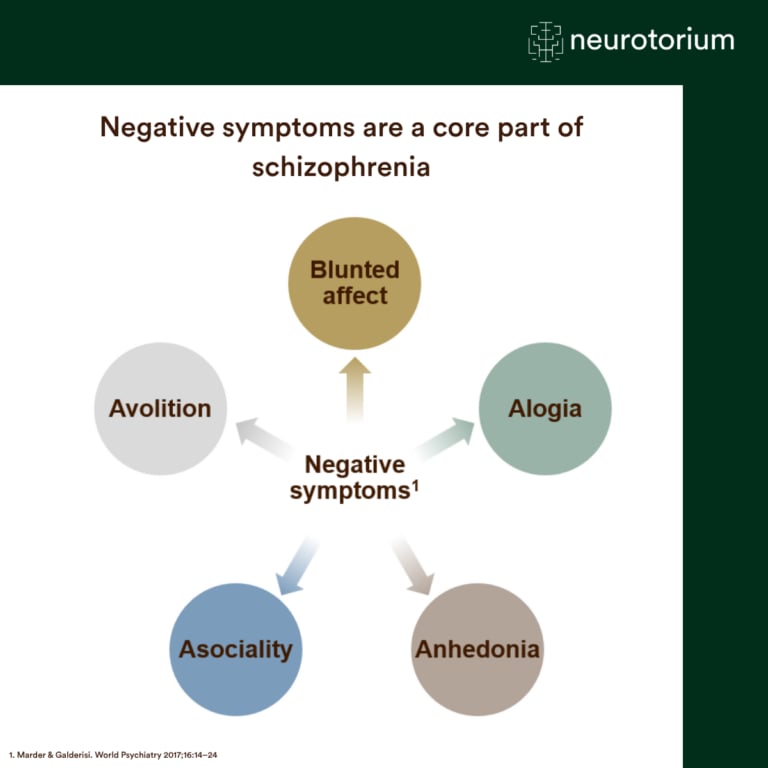
Negative symptoms are a core feature of schizophrenia and can have a profound impact on functioning, social relationships, and quality of life.