

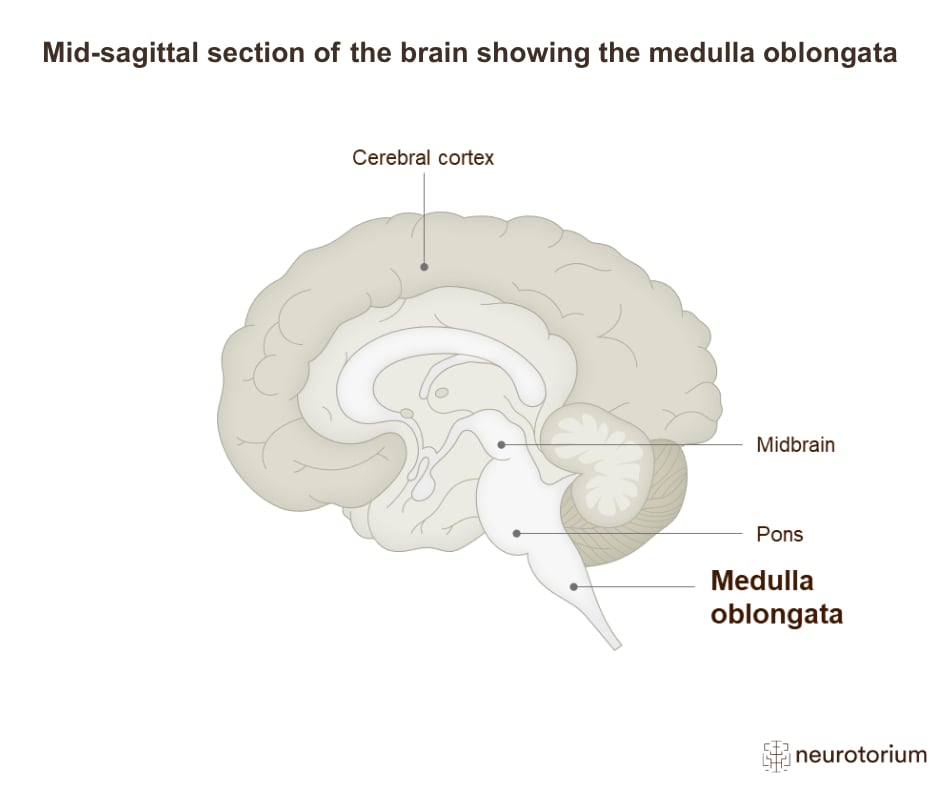
The medulla oblongata is positioned at the base of the brain, below the pons and above the spinal cord1,2. It contains both white matter and grey matter – the white matter carries signals between the brain and spinal cord, while the grey matter houses several nuclei that control key functions3. The medulla oblongata regulates several critical bodily functions, including:
- Respiratory control1,2
- Cardiovascular regulation (control of heart rate and blood pressure by regulating the contraction of blood vessels and cardiac muscles)1,2,4
- Some reflexes (such as swallowing, coughing, sneezing, and vomiting)1,4
Related content
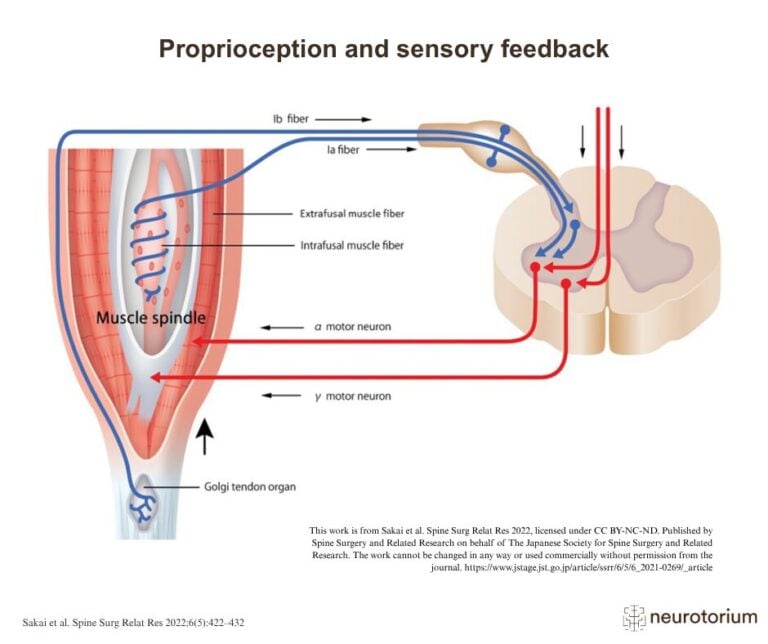
Controlled movement relies on sensory feedback, particularly proprioception (the sense of body position in space and movement).
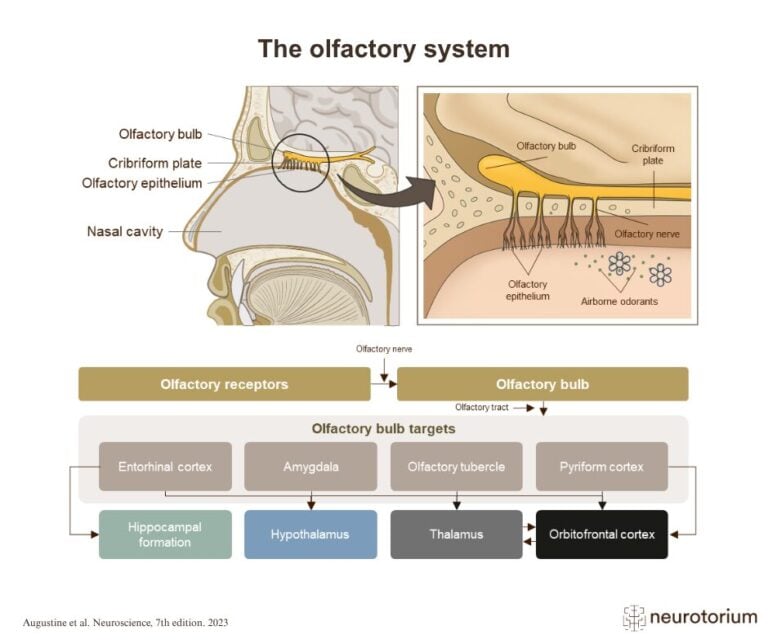
The olfactory system detects airborne odor molecules in the nasal cavity and transmits this information to the olfactory bulb. From there, signals are relayed to several brain regions involved in smell perception, memory, emotion, and behaviour.
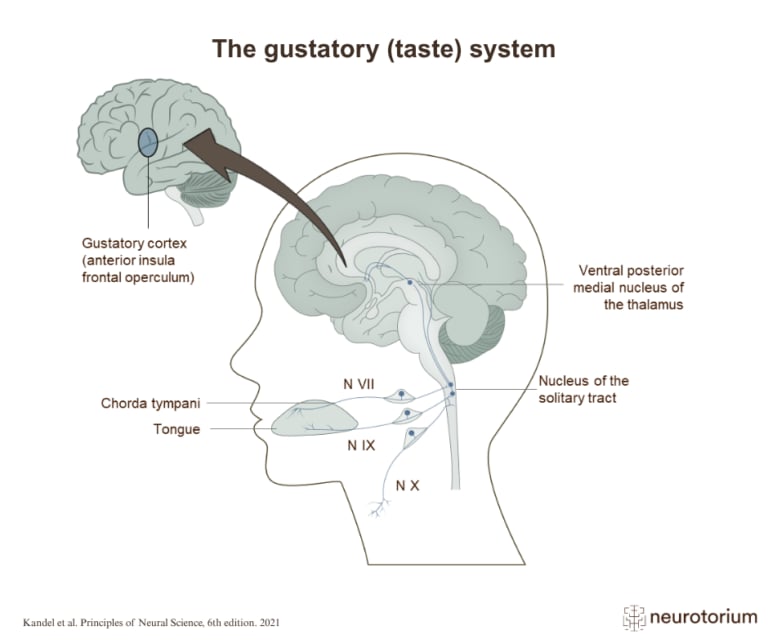
The gustatory system detects taste stimuli on the tongue and relays this information through brainstem and thalamic pathways to the gustatory cortex.