
Images

Filter

search
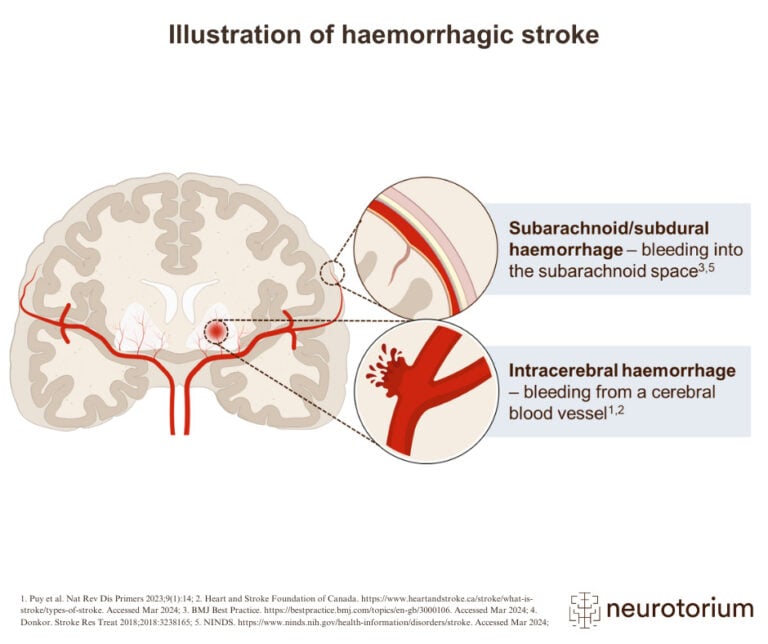
image Image Image showing the two main types of haemorrhagic stroke and their locations
Illustration of Haemorrhagic Stroke

Roughly 1 to 2 in 5 cases of stroke are haemorrhagic.
22.04.2024 Neurobehavioral Consequences of Stroke
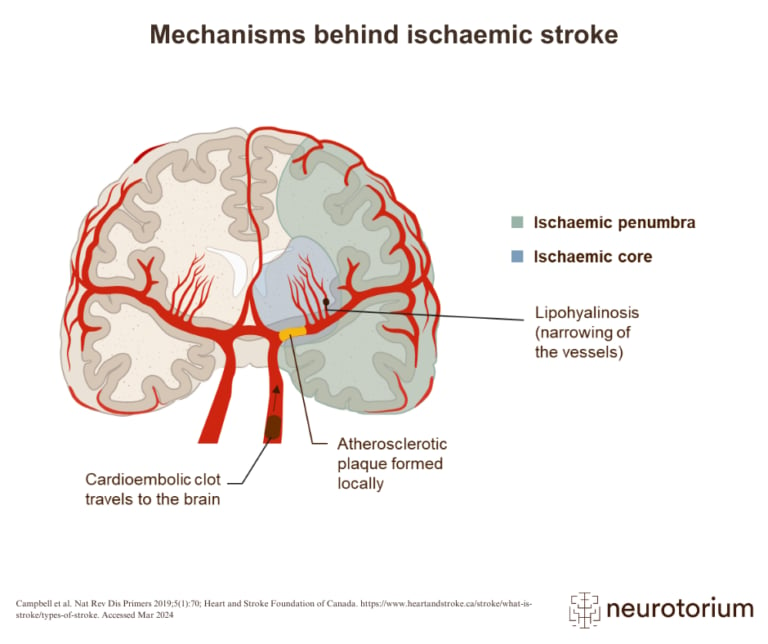
image Image The pathology of stroke is complex, often involving many different interrelated arterial and cardiac conditions.
Mechanisms behind Ischaemic Stroke

The pathology of ischaemic stroke is complex, often involving many different interrelated arterial and cardiac conditions.
22.04.2024 Neurobehavioral Consequences of Stroke
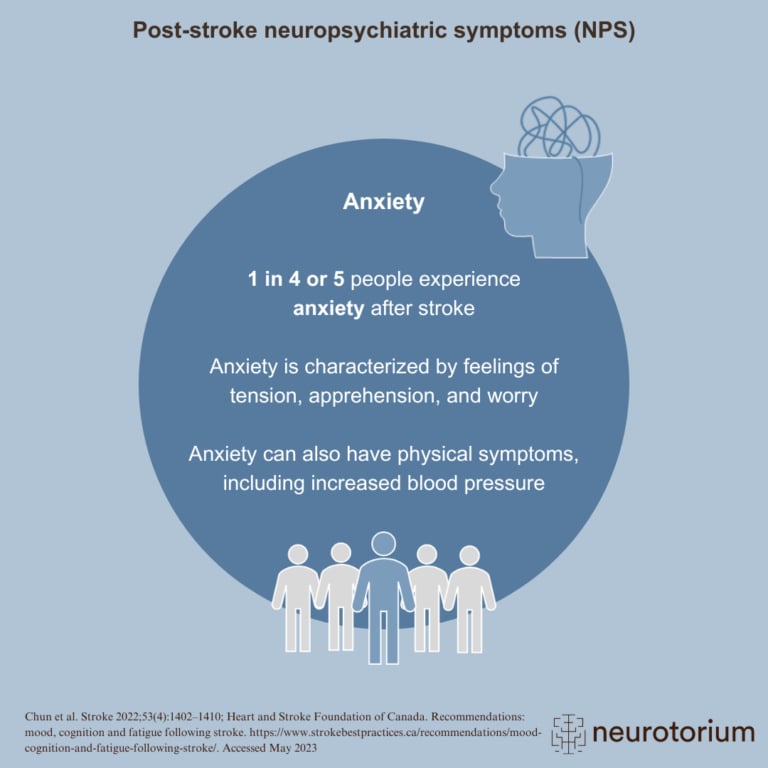
image Image Post-stroke neuropsychiatric symptoms (Anxiety)
Post-stroke neuropsychiatric symptoms (NPS) – Anxiety

1 in 4 or 5 people experience anxiety after stroke. Anxiety is characterized by feelings of tension, apprehension,
and worry.
22.04.2024 Neurobehavioral Consequences of Stroke
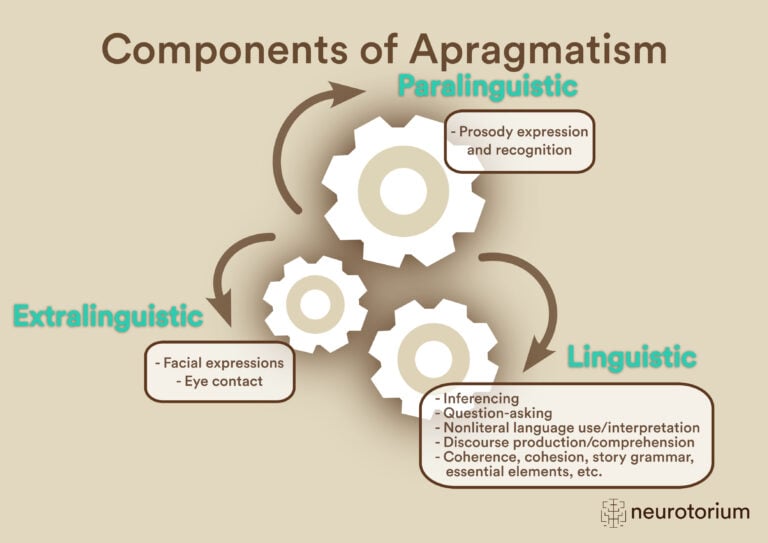
image Image Apragmatism is a new term used to describe the communication-specific changes that occur as a result of acquired right hemisphere brain damage, such as from stroke.
Components of Apragmatism

Apragmatism is a term used to describe the communication-specific changes that occur as a result of acquired right hemisphere brain damage, such as a stroke.
22.04.2024 Neurobehavioral Consequences of Stroke
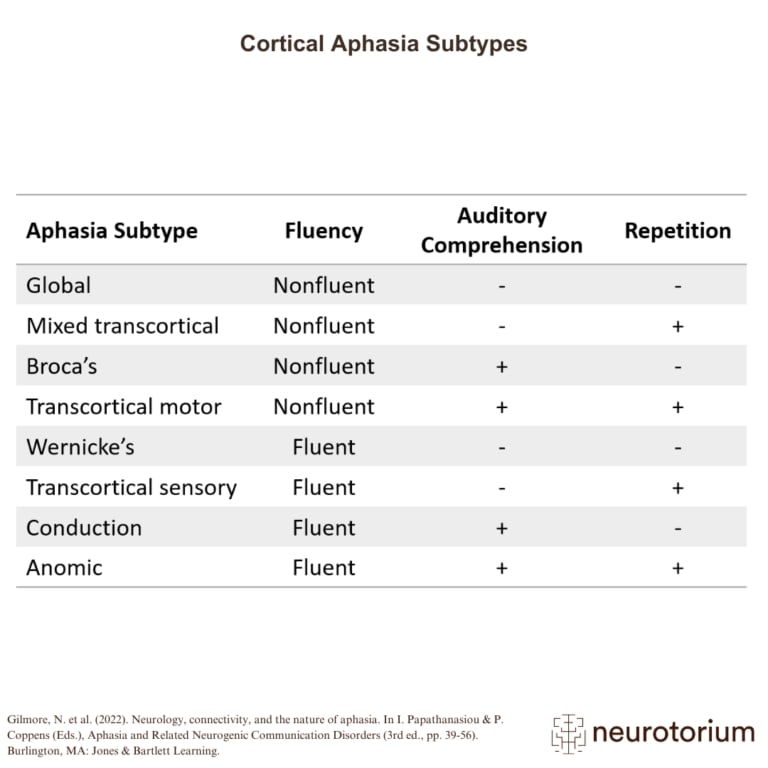
image Image Diagram on Cortical aphasia subtypes
Cortical Aphasia Subtypes

The traditional classification schemes for cortical aphasias use fluency (verbal output), auditory comprehension, and repetition skills as methods to triage people into different aphasia subtypes.
22.04.2024 Neurobehavioral Consequences of Stroke
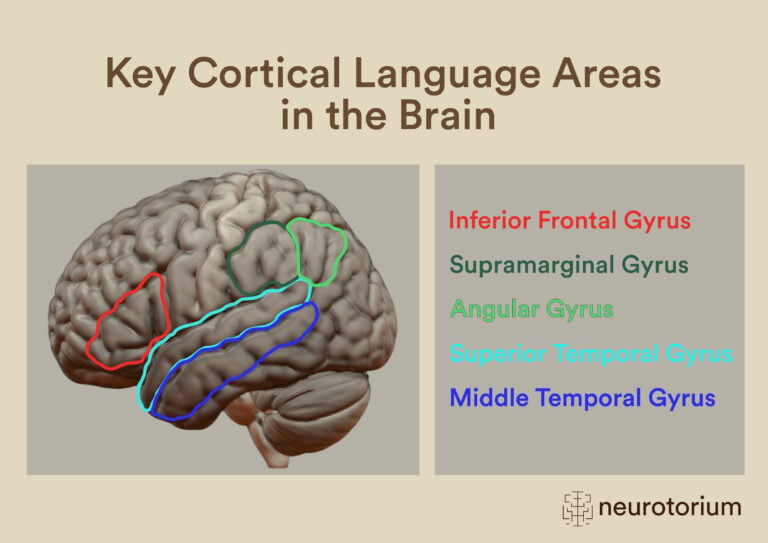
image Image language areas-in-the-brain-
Key Cortical Language Processing Regions in the Brain

There are several critical cortical regions in the frontal, parietal, and temporal lobes of the brain that support language processing.

22.04.2024 Neurobehavioral Consequences of Stroke

No results matched your search.
Please try again.

task_alt