


Images
Filter
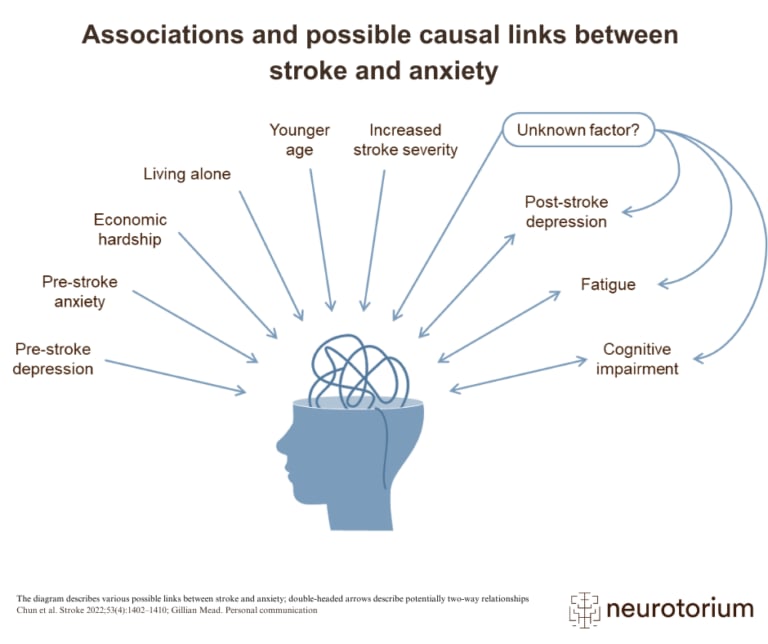
Anxiety is common after stroke. The risk of anxiety after stroke is greater in younger patients, and those with depressive symptoms.
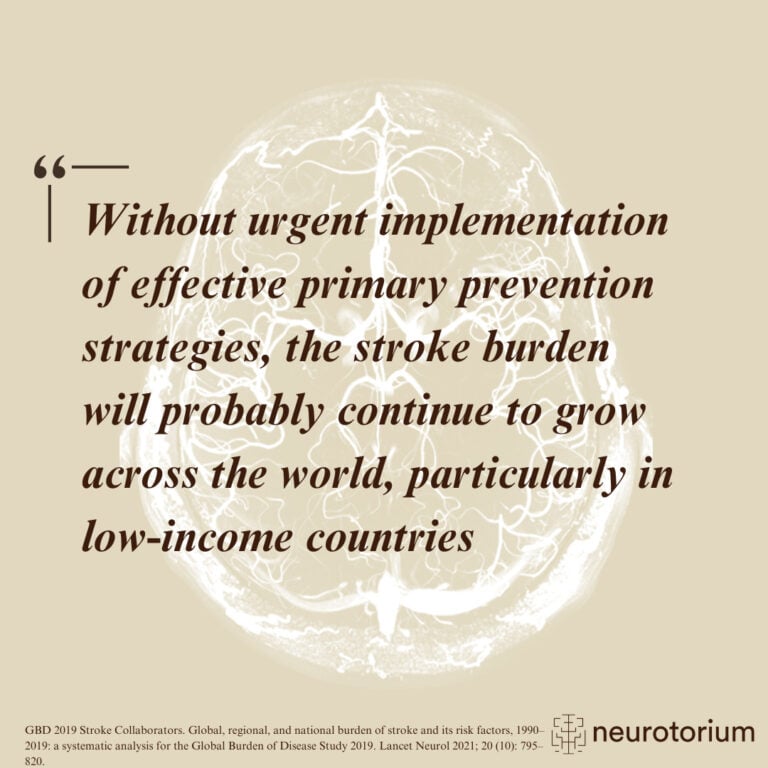
Without urgent implementation of effective primary prevention strategies, the stroke burden will probably continue to grow across the world, particularly in low-income countries.
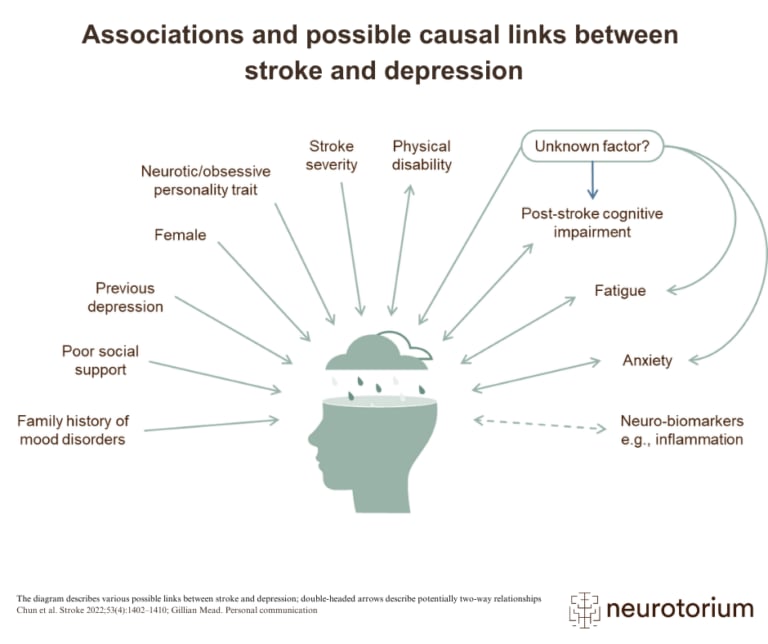
After experiencing a stroke, people seem to have higher levels of depression than patients with similar levels of disability from other diseases, raising the possibility of a biological interaction.
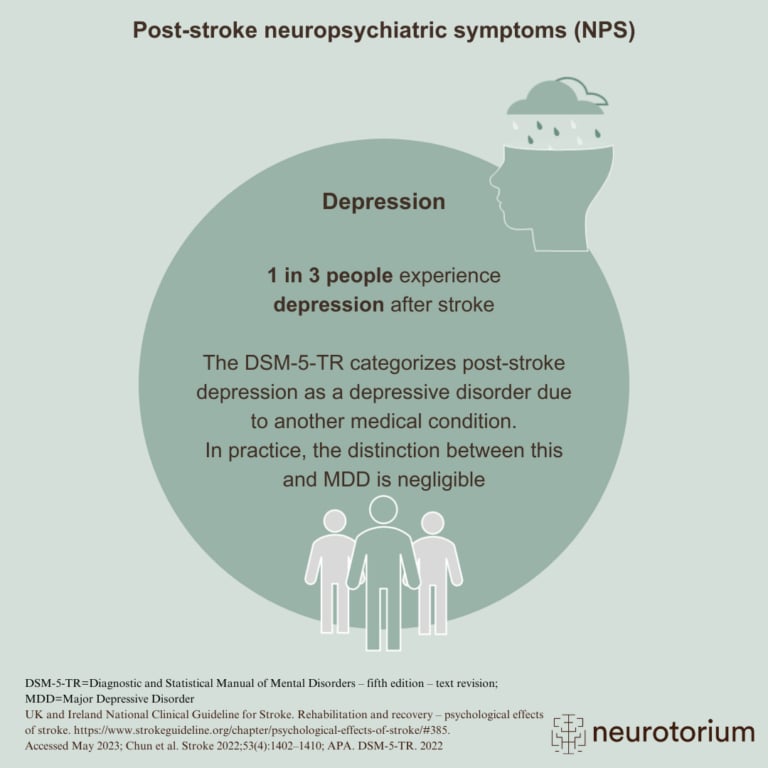
1 in 3 people experience depression after stroke. The DSM-5-TR categorizes post-stroke depression as a depressive disorder due to another medical condition.
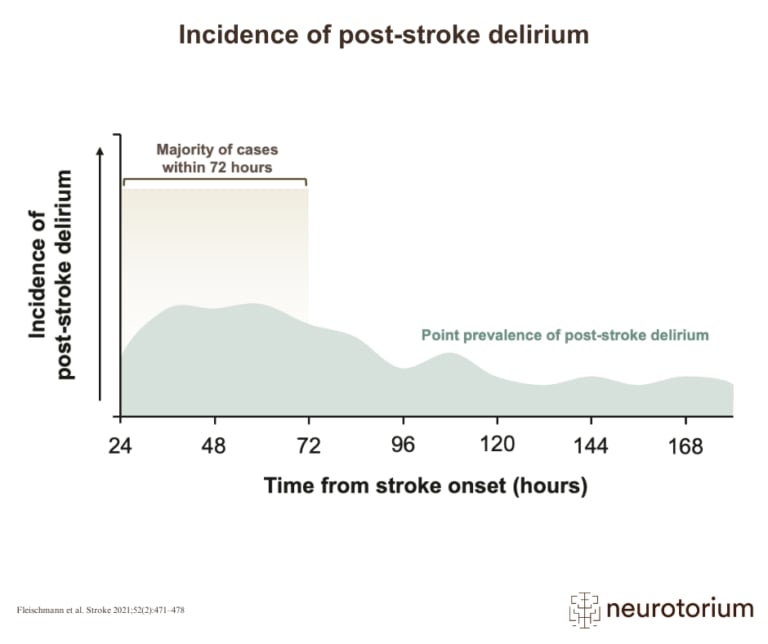
Delirium is a common occurrence after stroke, and usually presents itself within the first 72 hours after stroke.
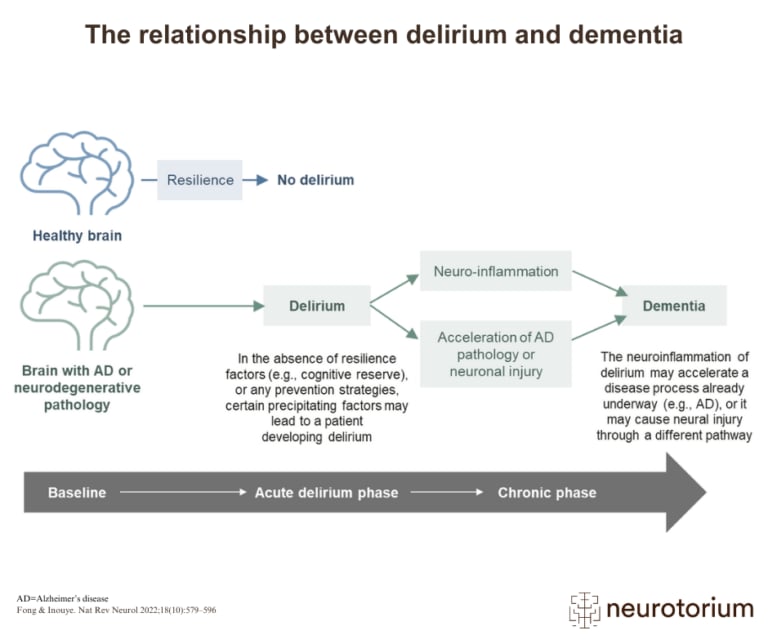
Delirium, cognitive impairment, and dementia appear to be inter-connected in older adults.
No results matched your search.
Please try again.