

Schizophrenia is associated with different prevalence and incidence rates across regions. To describe the burden of schizophrenia regionally, the Global Burden of Disease (GBD) study has grouped 204 countries into 21 GBD regions according to socioeconomic similarity and geographical proximity.2 Regions with the highest ASIRs include Australasia (20.2 per 100,000) and East Asia (18.3 per 100,000).1 Regions with the lowest ASIRs include Eastern Europe (11.7 per 100,000), followed by the Caribbean (12.4 per 100,000) and Central Asia (12.43 per 100,000).1 Regions with the highest ASPRs include Australasia (387.1 per 100,000), followed by North America (347.7 per 100,000) and East Asia (311.4 per 100,000).1 Regions with the lowest ASPRs include Eastern Europe (205.8 per 100,000), followed by the Central Sub-Saharan Africa (212.7 per 100,000) and Central Asia (215.6 per 100,000).1
The observed differences across regions are hypothesized to be a result of differences in data quality. The high ASPRs reported in high-income countries likely reflect better mental health data systems, where health systems routinely collect and store epidemiologic data on mental health, while low-income countries might still be developing sustainable systematic data collection infrastructure, rather than reflecting a true higher schizophrenia risk in high-income countries.3
ASIR=age-standardized incidence rate; ASPR=age-standardized prevalence rate.
Related content
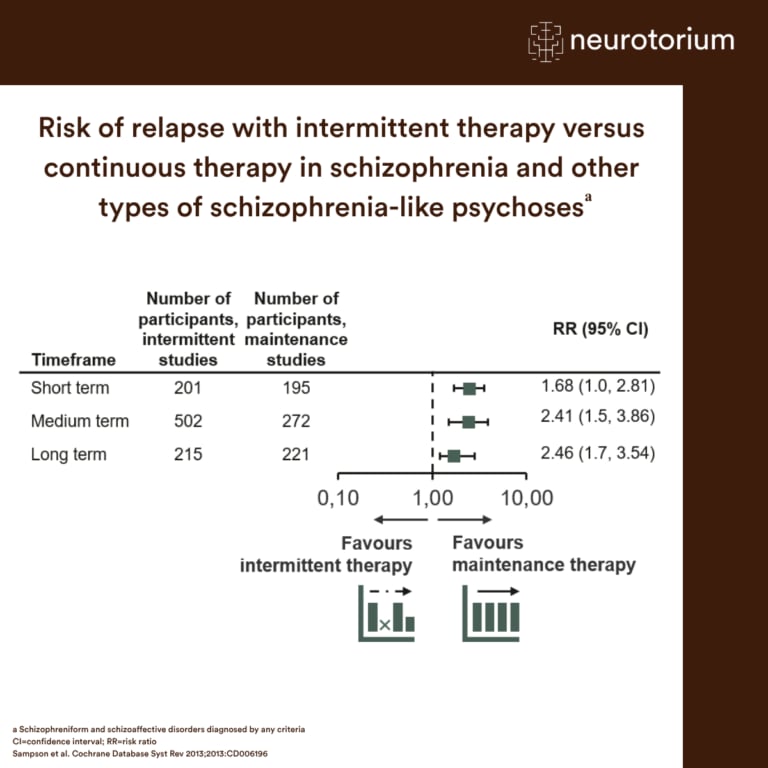
Continuous maintenance therapy is associated with a lower risk of relapse than intermittent treatment, supporting ongoing treatment strategies in schizophrenia and related psychotic disorders.
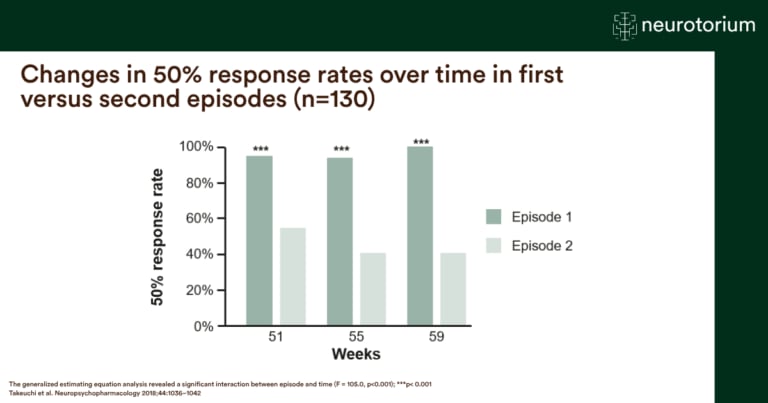
Treatment response tends to be higher during a first episode than during subsequent episodes, emphasizing the importance of early intervention and effective management.
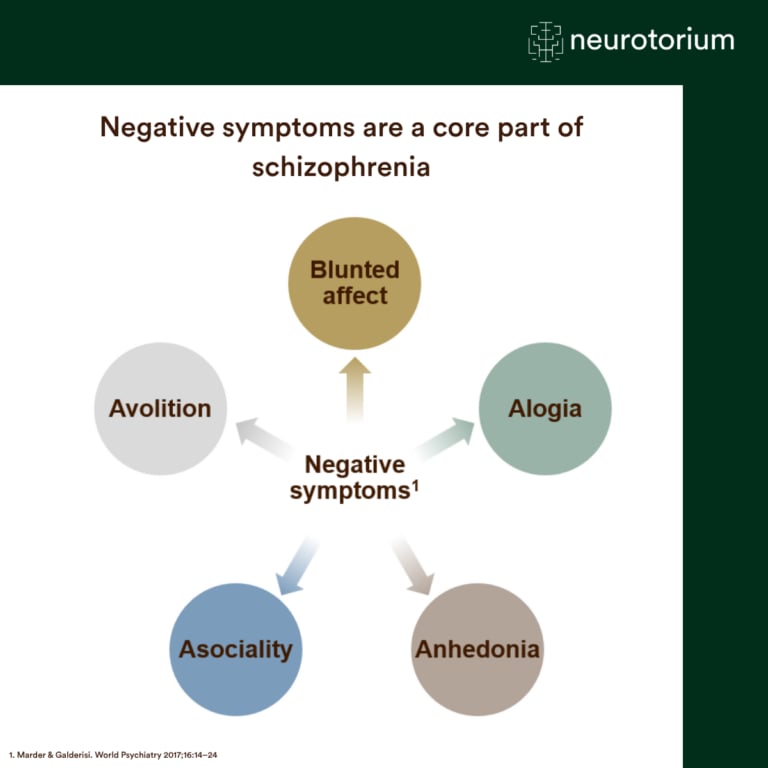
Negative symptoms are a core feature of schizophrenia and can have a profound impact on functioning, social relationships, and quality of life.