

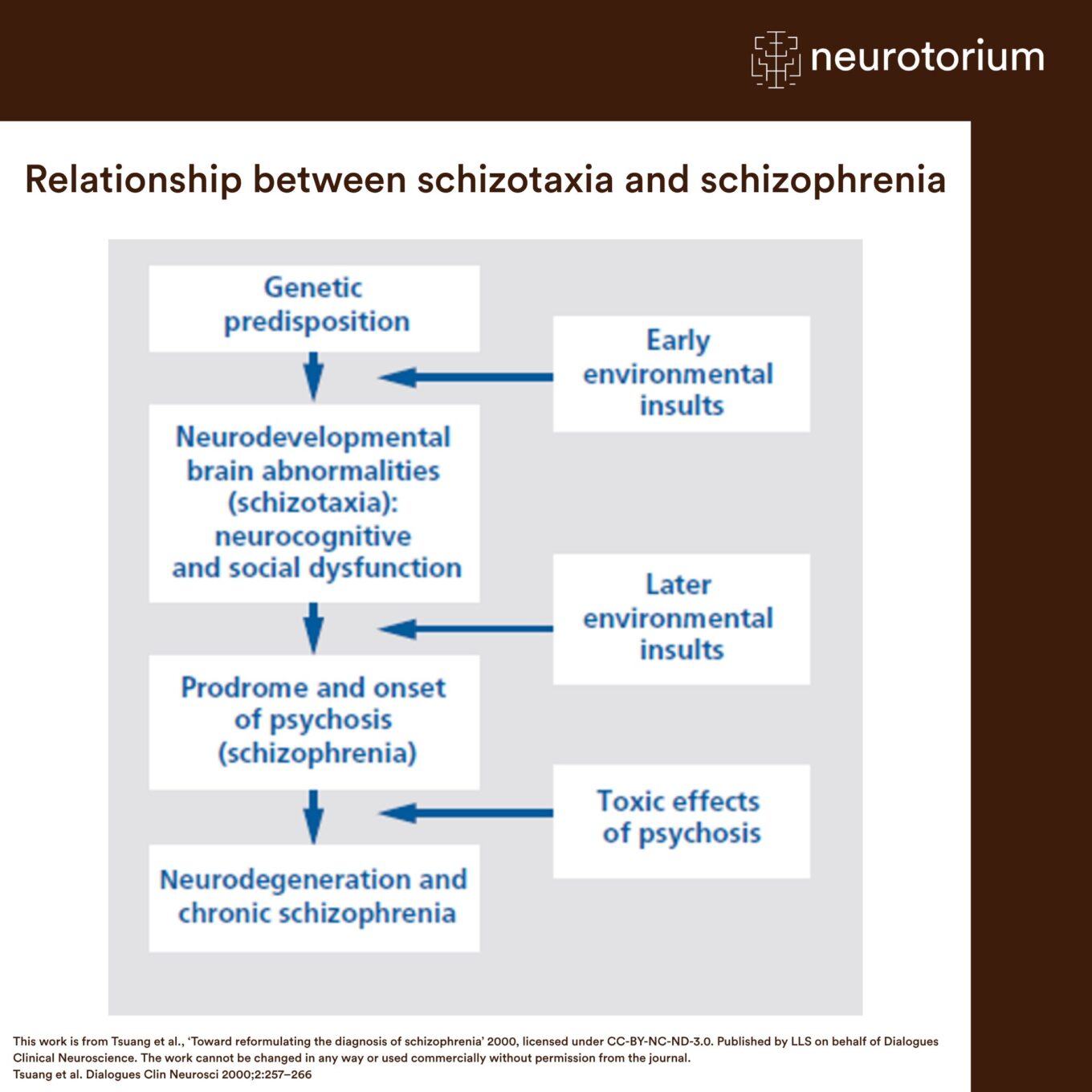
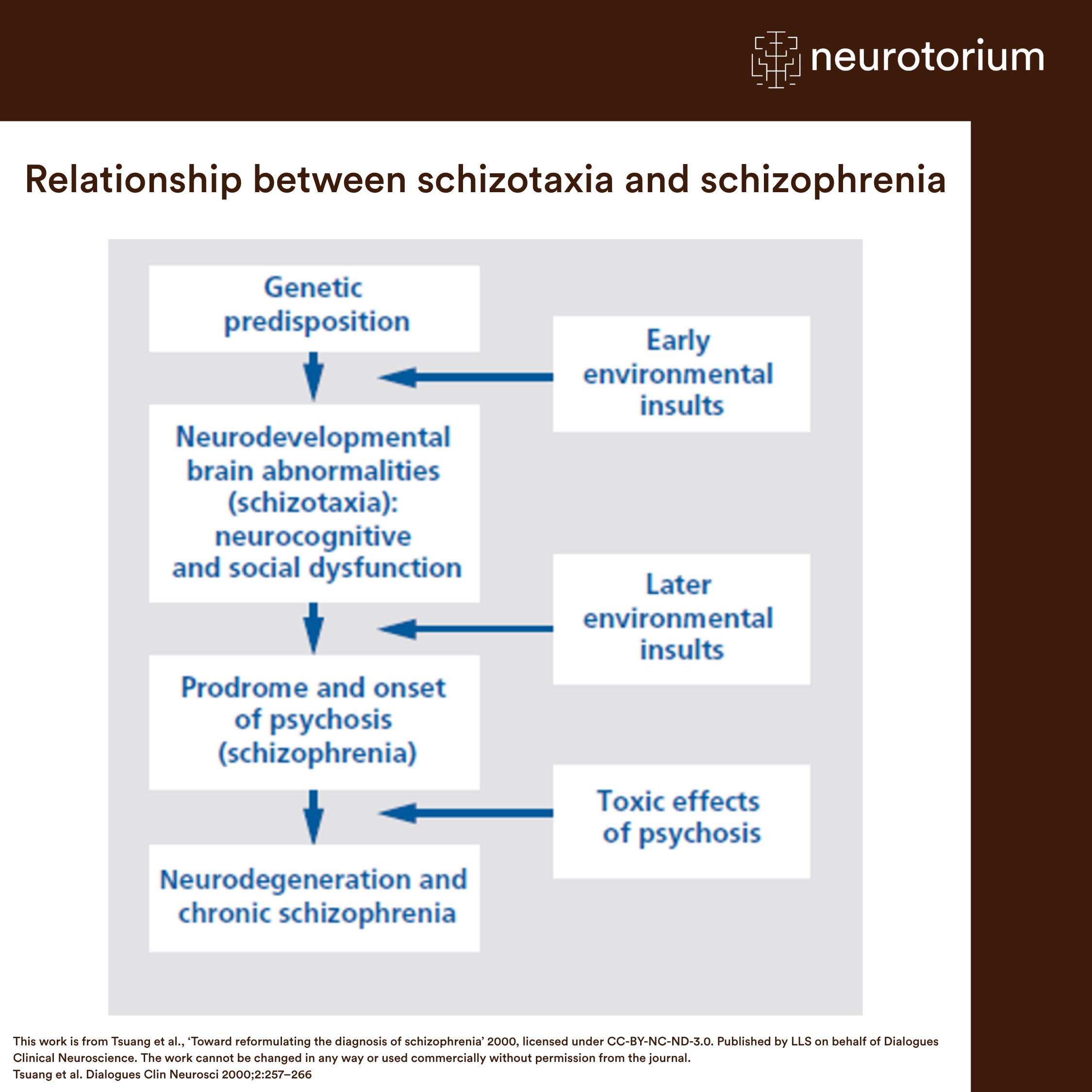
Schizotypy is a multi-dimensional personality construct which indicates a person’s liability to psychosis.1 A neurodevelopmental model has been proposed in which a genetically influenced vulnerability, known as schizotaxia, can lead to neurobiological changes that manifest as schizotypy personality traits.2 Depending on environmental and developmental factors, in some individuals, schizotypy may progress to clinical high-risk states and eventually schizophrenia-spectrum disorders.1,2 The schizotypal personality traits broadly correspond to the positive, negative and disorganized dimensions observed in schizophrenia. The personality traits include positive (cognitive-perceptual), such as magical thinking, unusual perceptual experiences, ideas of reference and paranoia; disorganization, such as odd behavior and odd speech; and negative (interpersonal), such as constricted affect, social anxiety, lack of close personal relationships, and suspiciousness. Disorganization includes odd behaviour and odd speech.3
Longitudinal studies support this by demonstrating that higher schizotypy dimension scores in healthy and clinically high-risk populations scores predict later psychosis.1,3
Familial studies in schizophrenia have shown relatives have higher schizotypy dimensions scores compared to non-relatives;3 higher scores were predictive of emergence of psychotic disorders in later life.4
Related content
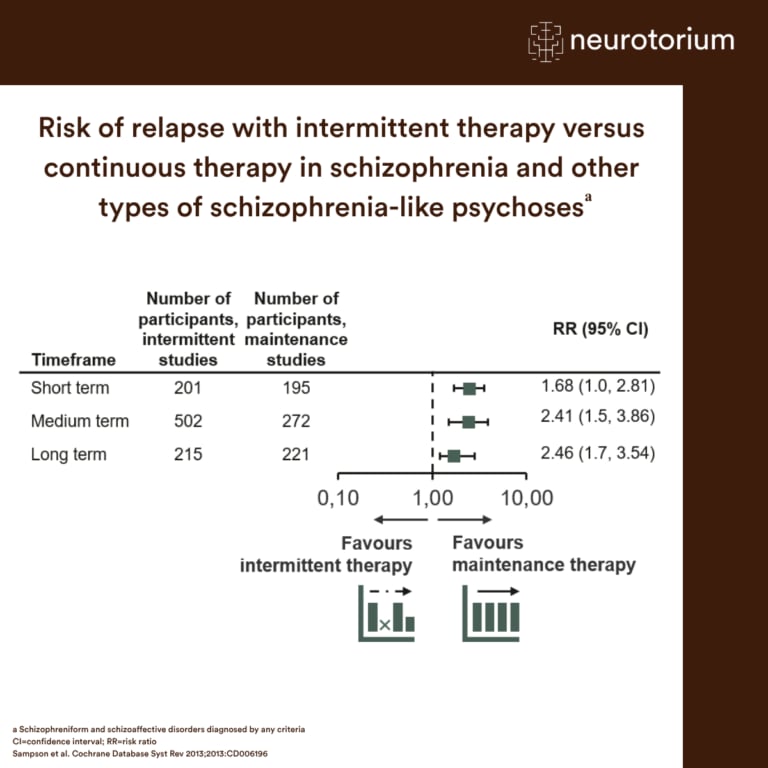
Continuous maintenance therapy is associated with a lower risk of relapse than intermittent treatment, supporting ongoing treatment strategies in schizophrenia and related psychotic disorders.
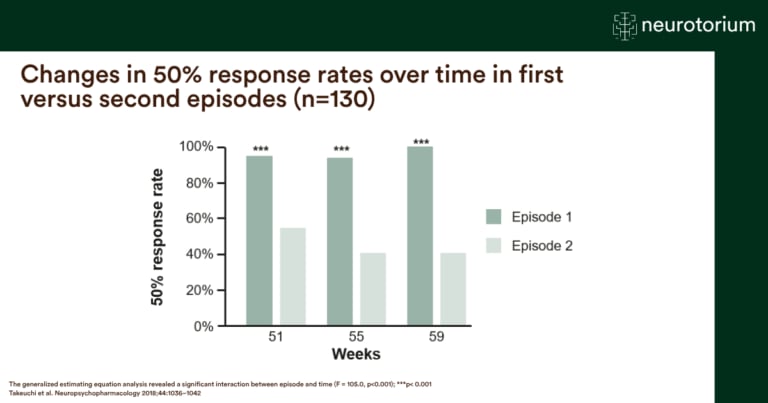
Treatment response tends to be higher during a first episode than during subsequent episodes, emphasizing the importance of early intervention and effective management.
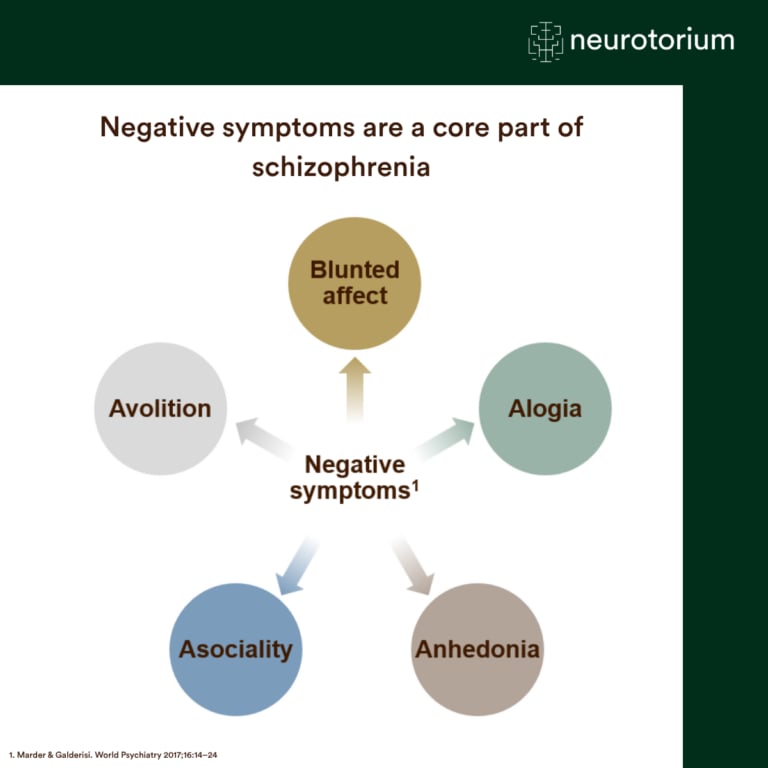
Negative symptoms are a core feature of schizophrenia and can have a profound impact on functioning, social relationships, and quality of life.