

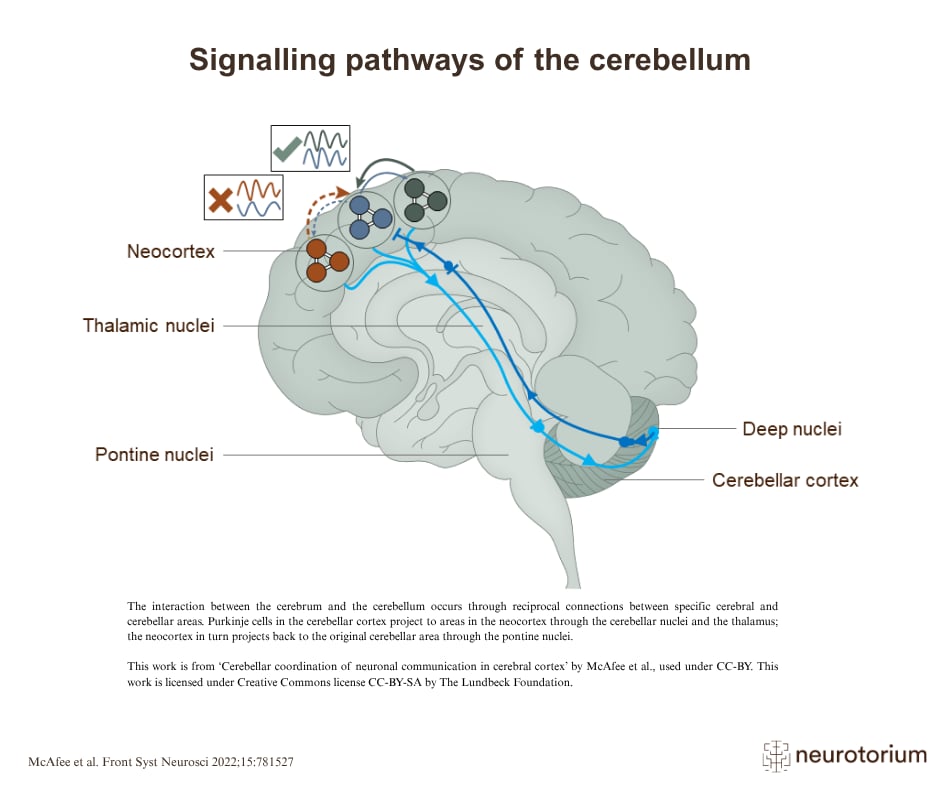
The cerebellum represents only 10% of the total volume of the brain, but contains over 50% of the brain’s neurons.4 The cerebellum is responsible for fine-tuning motor activities and adjusting ongoing movements, and plays a role in maintaining balance and posture, coordinating voluntary movements (e.g., gait), and motor learning1-3. It receives sensory input from the body (muscles, tendons, and joints) and motor input from the cerebral cortex1-3
The cerebellum also receives information concerning balance from the vestibular system3.
Damage to the cerebellum can result in ataxia (problems with fine movements, impaired coordination and balance).2,3
Related content
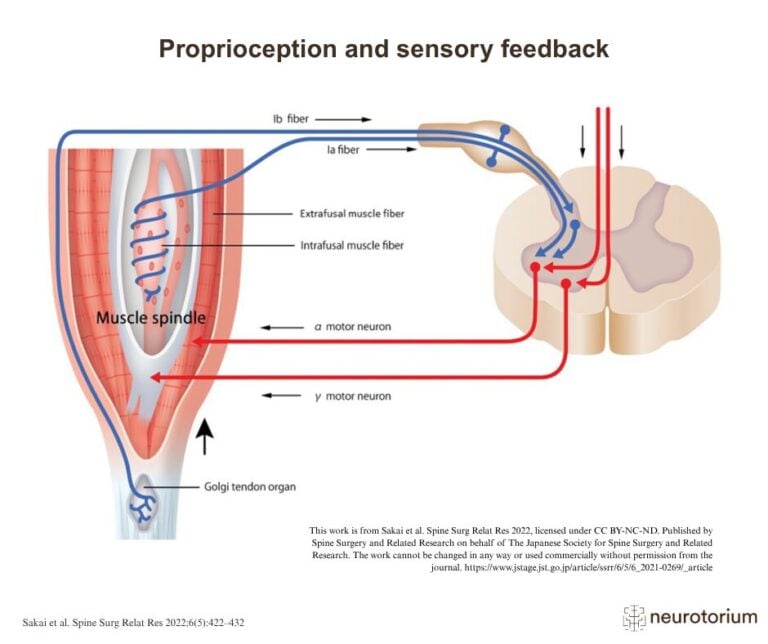
Controlled movement relies on sensory feedback, particularly proprioception (the sense of body position in space and movement).
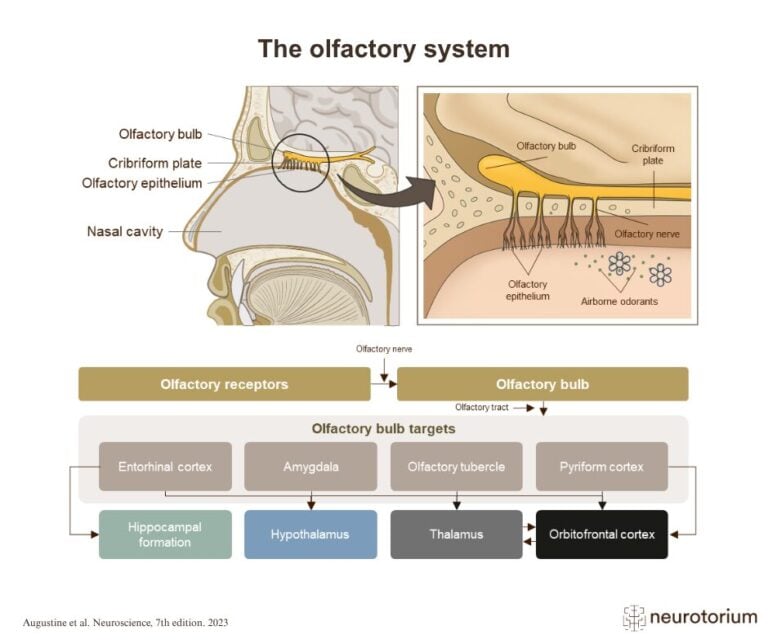
The olfactory system detects airborne odor molecules in the nasal cavity and transmits this information to the olfactory bulb. From there, signals are relayed to several brain regions involved in smell perception, memory, emotion, and behaviour.
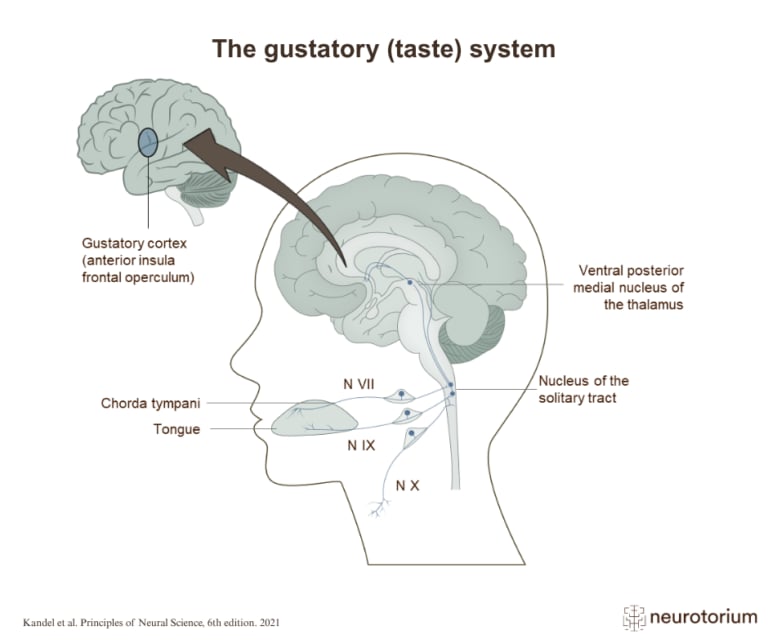
The gustatory system detects taste stimuli on the tongue and relays this information through brainstem and thalamic pathways to the gustatory cortex.