

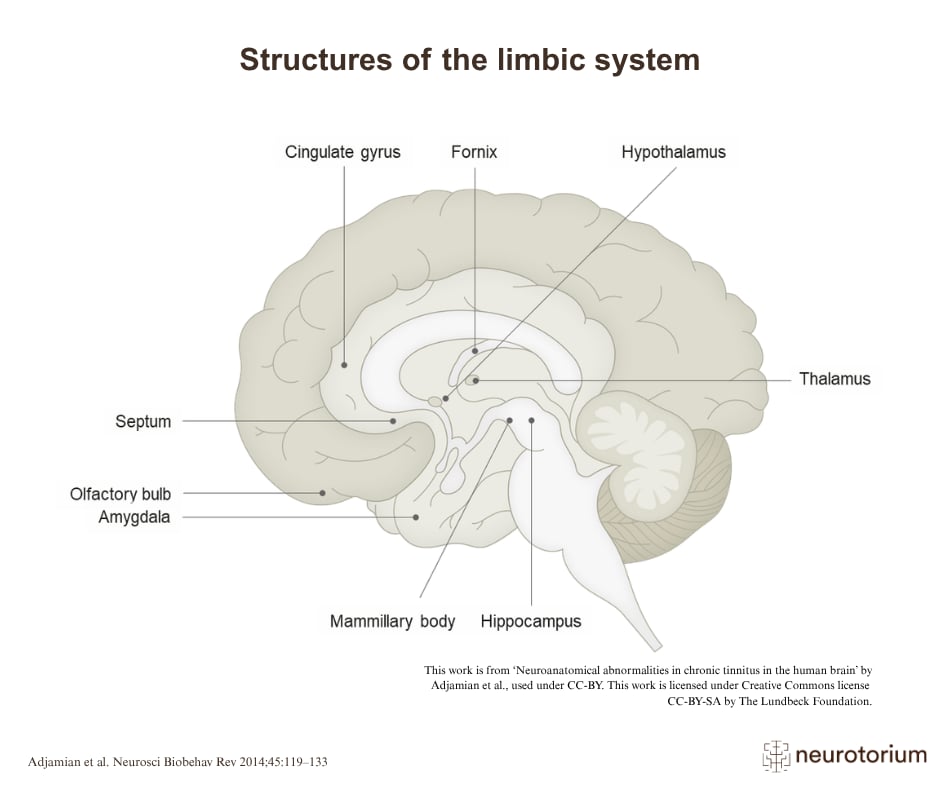
There is no single, universally agreed and distinct definition of the limbic system;1 it is a complex set of connected structures in the brain that plays a key role in:2,3
•Regulating emotional responses
•Forming and processing emotional memories
•Learning, attention, decision making
•Certain aspects of behaviour, e.g., motivation
•Regulation of autonomic and neuroendocrine functions
The limbic system influences behaviour tied to survival, such as feeding, reproduction, and responses to threats3,5. Disruption of the limbic system may play a role in disorders like anxiety, depression, and post-traumatic stress disorder, due to altered emotional responses2,6
Related content
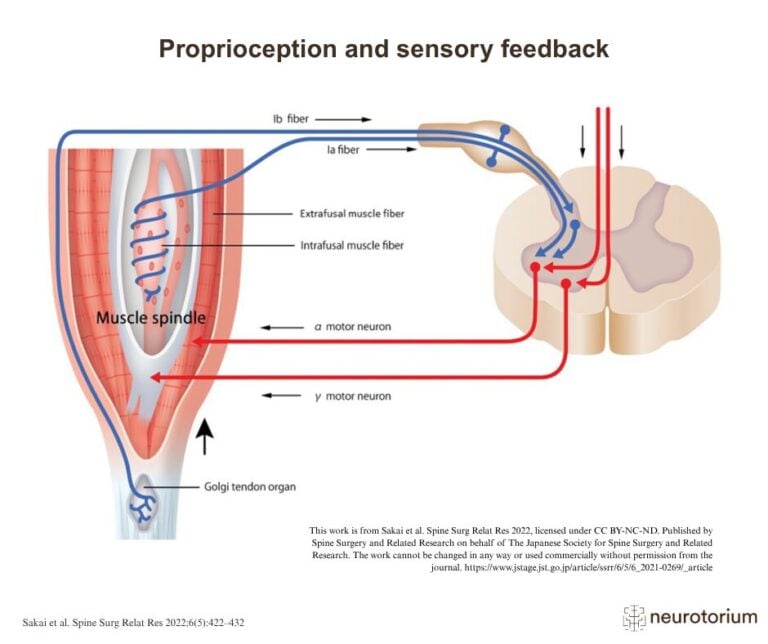
Controlled movement relies on sensory feedback, particularly proprioception (the sense of body position in space and movement).
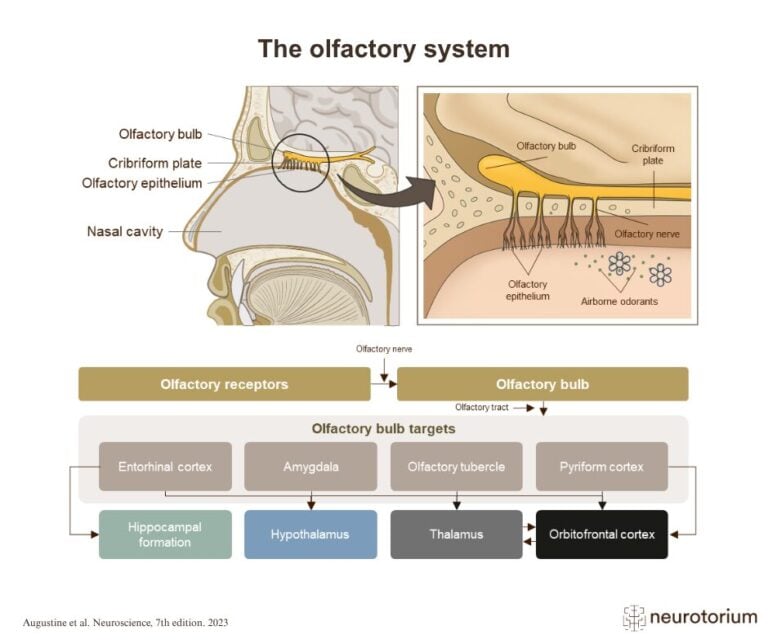
The olfactory system detects airborne odor molecules in the nasal cavity and transmits this information to the olfactory bulb. From there, signals are relayed to several brain regions involved in smell perception, memory, emotion, and behaviour.
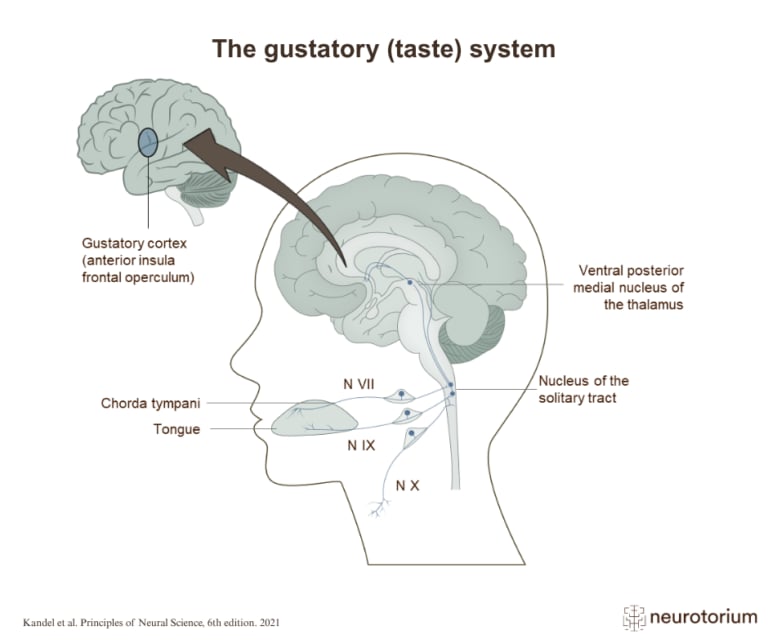
The gustatory system detects taste stimuli on the tongue and relays this information through brainstem and thalamic pathways to the gustatory cortex.