

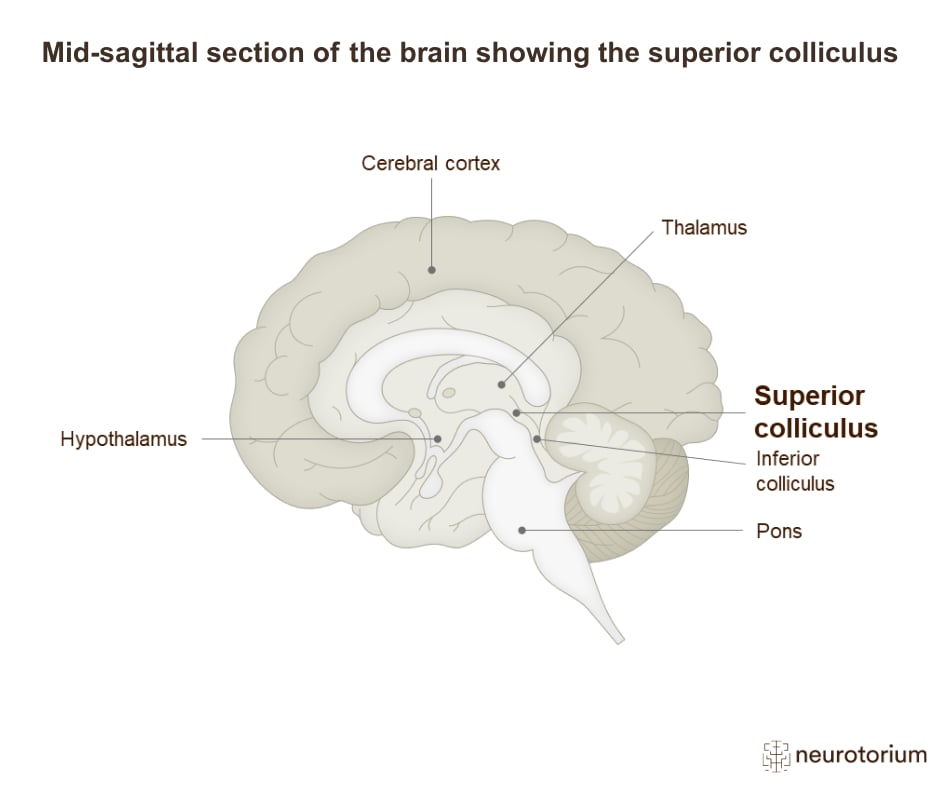
The superior colliculus is a paired structure located in the midbrain, playing a crucial role in integrating sensory information and coordinating eye movements1.
The superior colliculus plays a central role in visual functions. A primary function is to direct saccadic eye movements that shift the focus of gaze1. It is also responsible for orienting the eyes and head toward objects in the visual field1
The superior colliculus also receives inputs from multiple sensory systems (e.g., visual and auditory systems). The superior colliculus ensures that visual and auditory maps of the surroundings are aligned1.
Related content
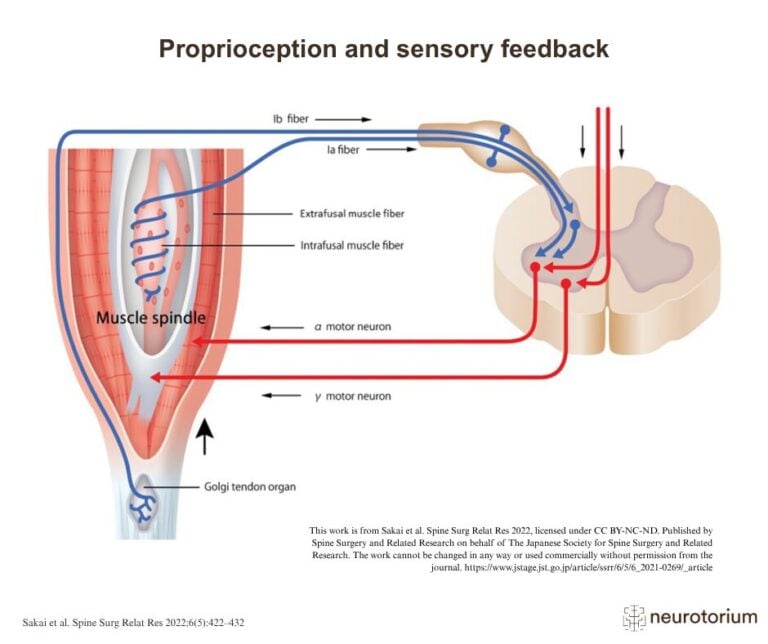
Controlled movement relies on sensory feedback, particularly proprioception (the sense of body position in space and movement).
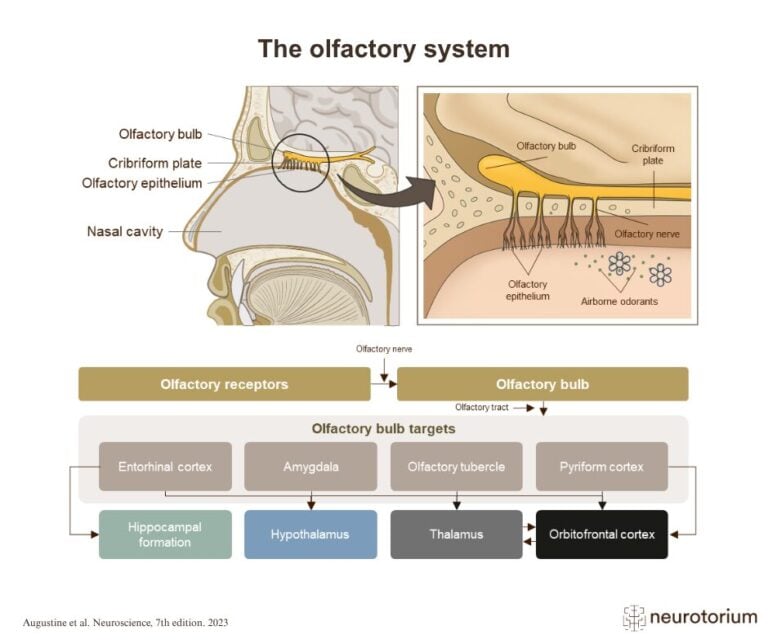
The olfactory system detects airborne odor molecules in the nasal cavity and transmits this information to the olfactory bulb. From there, signals are relayed to several brain regions involved in smell perception, memory, emotion, and behaviour.
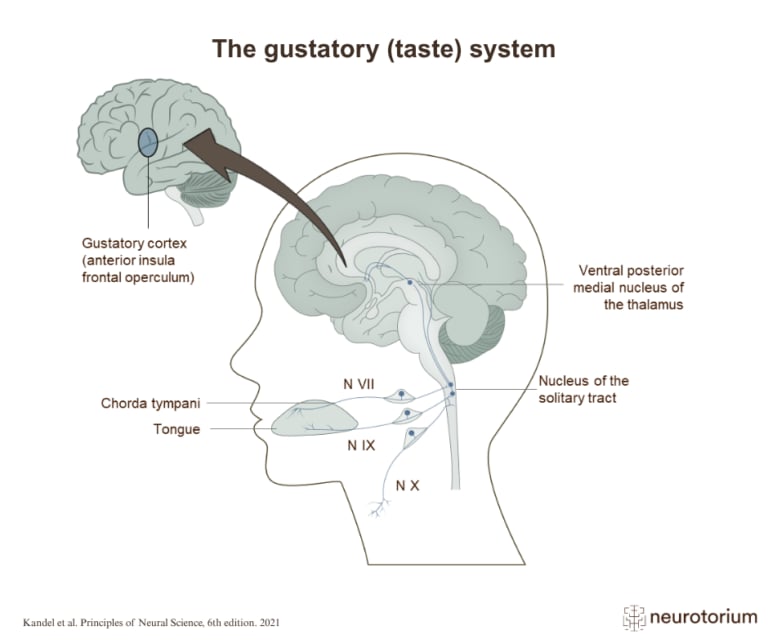
The gustatory system detects taste stimuli on the tongue and relays this information through brainstem and thalamic pathways to the gustatory cortex.