

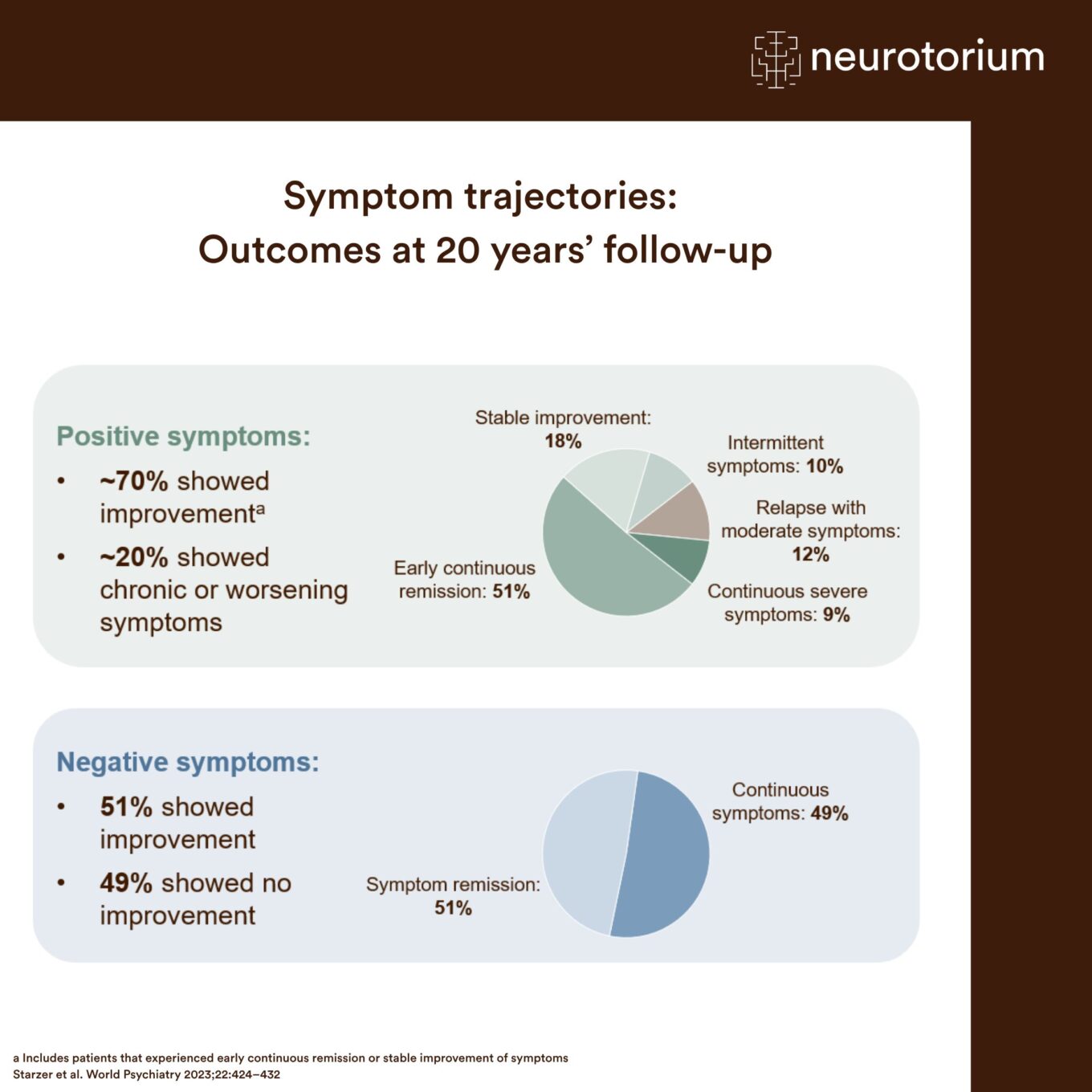
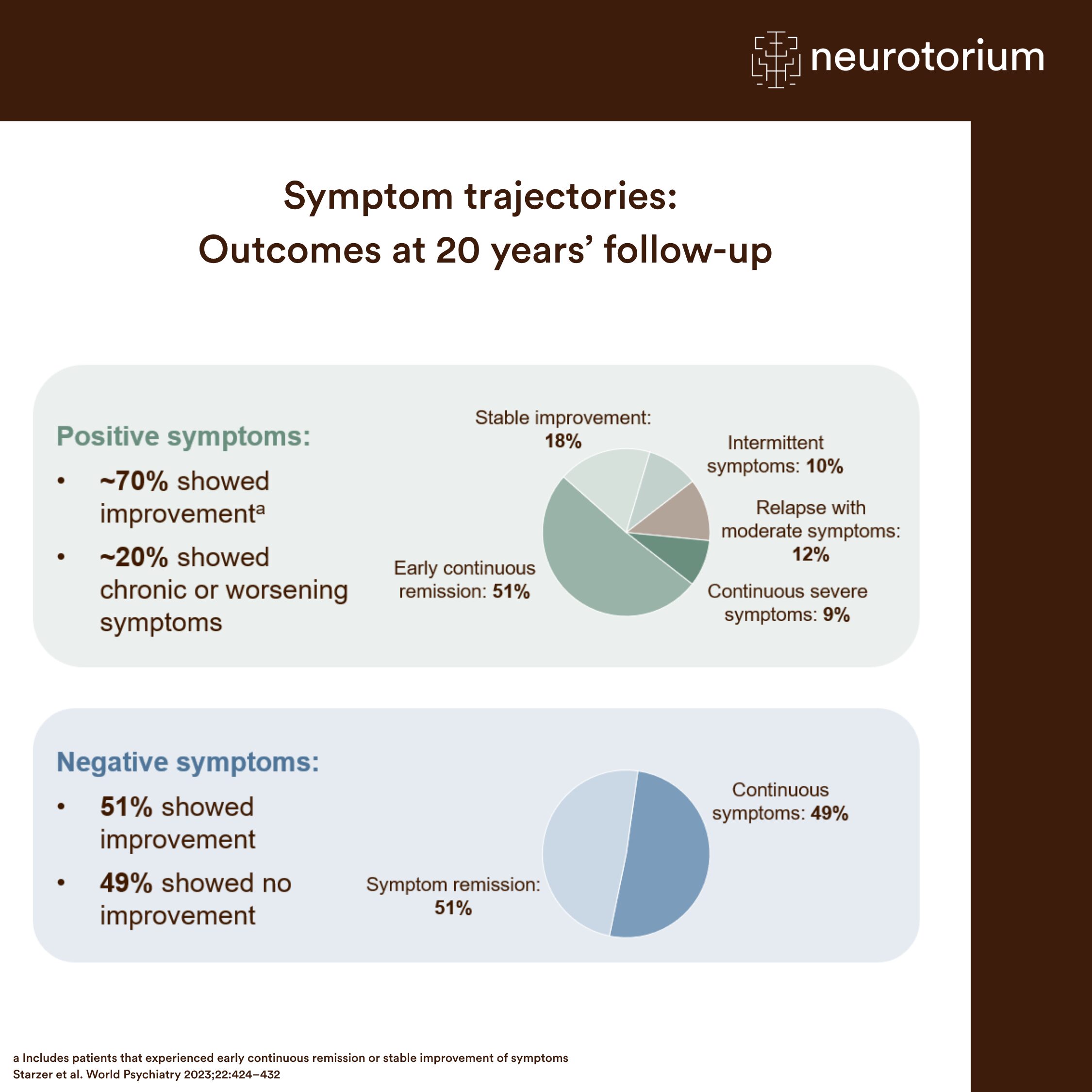
A follow-up study of participants from the OPUS trial aimed to identify 20-year trajectories of positive and negative symptoms after first-episode psychosis (FEP) in patients with a schizophrenia spectrum diagnosis. Symptoms followed diverse and non-linear trajectories rather than a single deteriorating course. Some patients showed persistent positive symptoms, while others demonstrated improvement or fluctuating patterns. Negative symptoms were generally more stable and persistent than positive symptoms.
Early symptom severity and functional status were associated with lower cognition, poorer social functioning, higher antipsychotic use, and lower rates of recovery at 20 years.
Related content
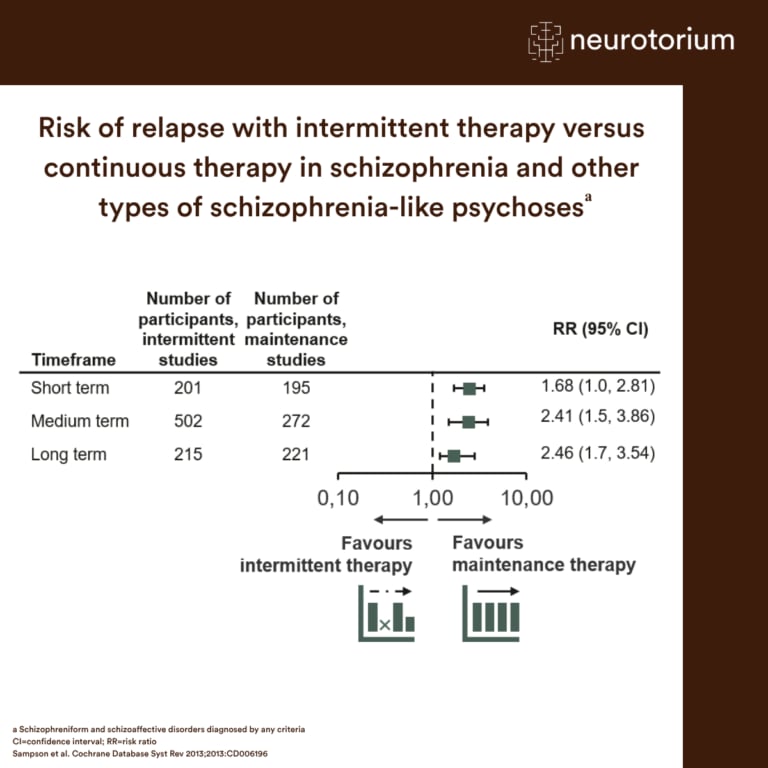
Continuous maintenance therapy is associated with a lower risk of relapse than intermittent treatment, supporting ongoing treatment strategies in schizophrenia and related psychotic disorders.
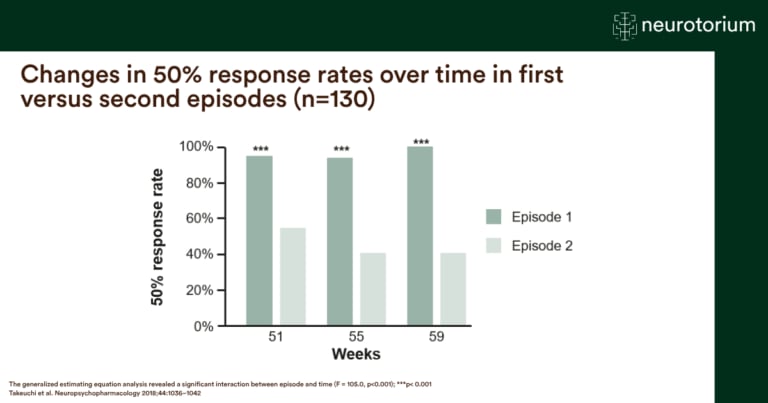
Treatment response tends to be higher during a first episode than during subsequent episodes, emphasizing the importance of early intervention and effective management.
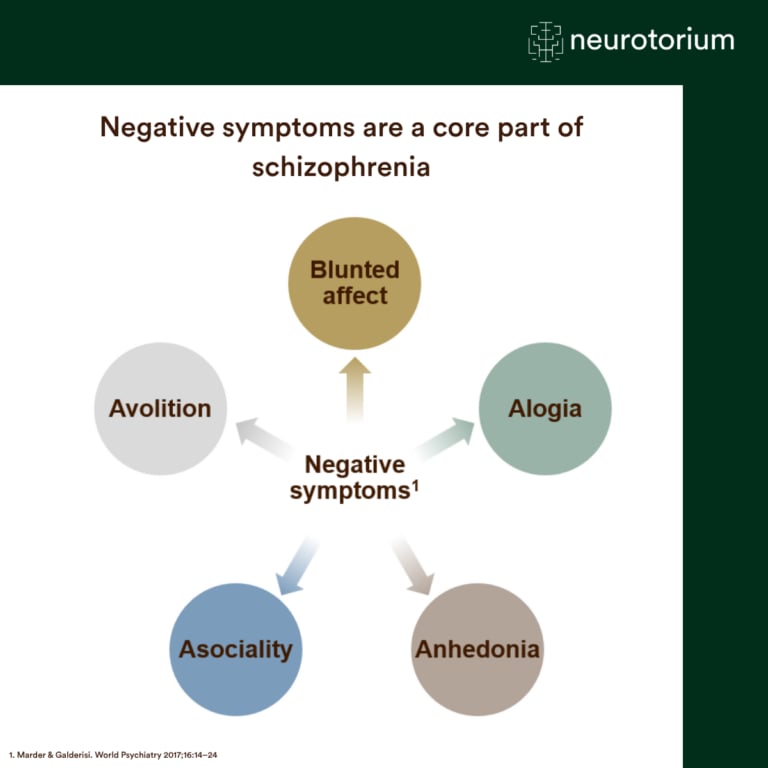
Negative symptoms are a core feature of schizophrenia and can have a profound impact on functioning, social relationships, and quality of life.