

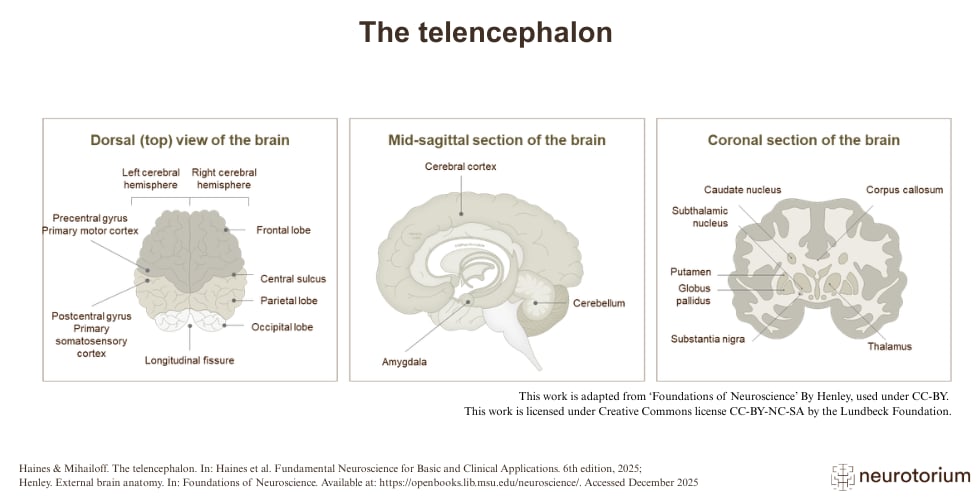
The telencephalon is the largest part of the human brain, accounting for approximately 85% of total brain weight. It consists of two cerebral hemispheres separated by a deep longitudinal fissure and contains regions specialized for sensory and motor functions. The outer layer, known as the cerebral cortex, is composed of layers of cells and features raised ridges called gyri separated by grooves called sulci. Beneath the cortex lies subcortical white matter and collections of grey matter structures including the basal ganglia and amygdala.1,2
Related content
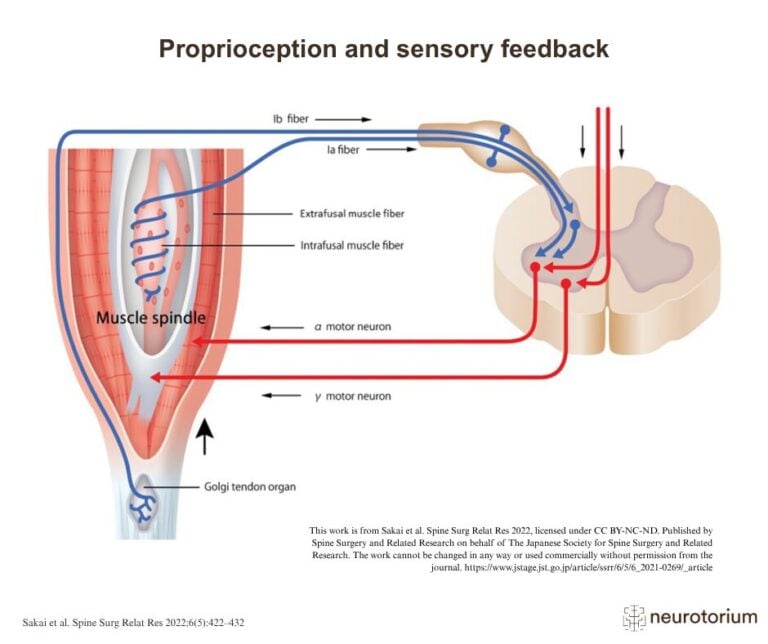
Controlled movement relies on sensory feedback, particularly proprioception (the sense of body position in space and movement).
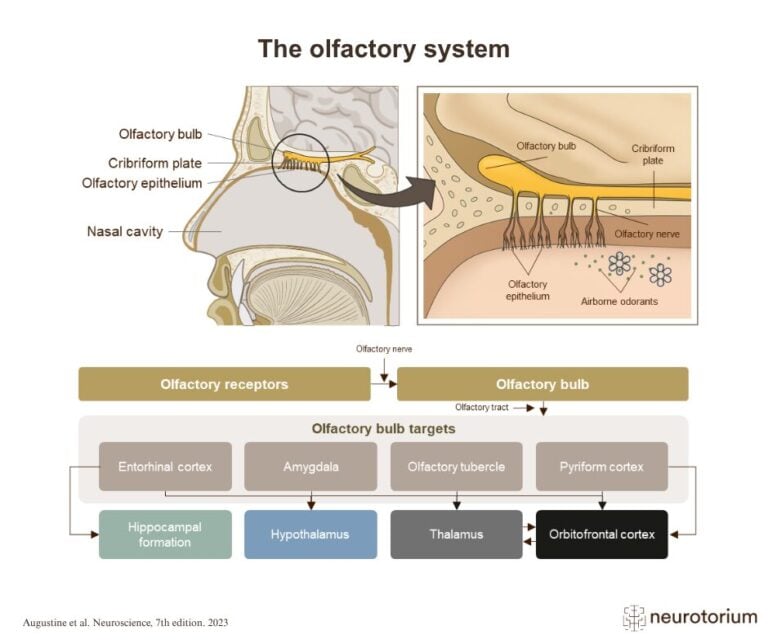
The olfactory system detects airborne odor molecules in the nasal cavity and transmits this information to the olfactory bulb. From there, signals are relayed to several brain regions involved in smell perception, memory, emotion, and behaviour.
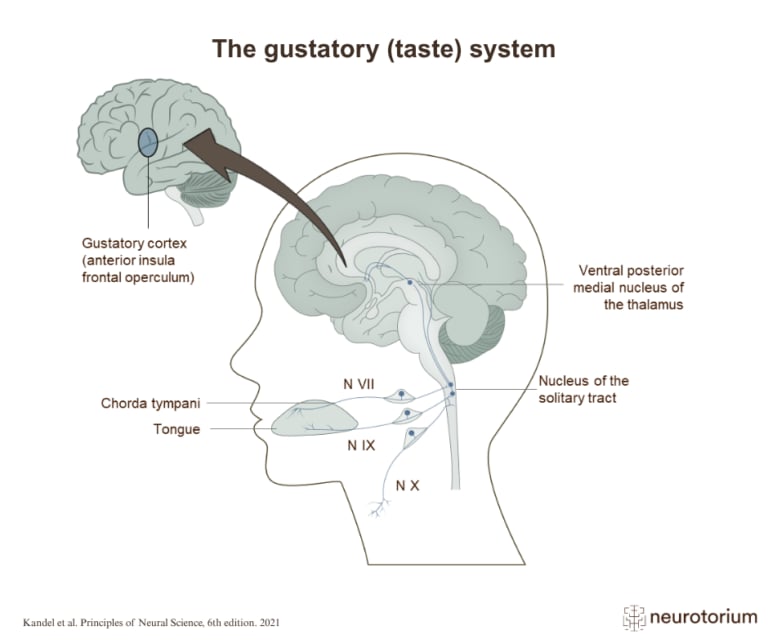
The gustatory system detects taste stimuli on the tongue and relays this information through brainstem and thalamic pathways to the gustatory cortex.